



Category: Skincare
Author: Aiman Shahzadi
Good skincare is much less about owning a crowded shelf and much more about doing a few basic things consistently. The internet makes healthy skin look complicated because new ingredients, devices and routines appear every week. Yet the habits that protect the skin barrier, reduce preventable irritation and support long-term skin health are surprisingly simple.
Quick answer: The most useful skincare tips are to cleanse gently, moisturise according to your skin type, wear broad-spectrum SPF 30+ every day, introduce active ingredients slowly, avoid picking at the skin and stop changing products every skincare tips few days. Consistency usually matters more than complexity.
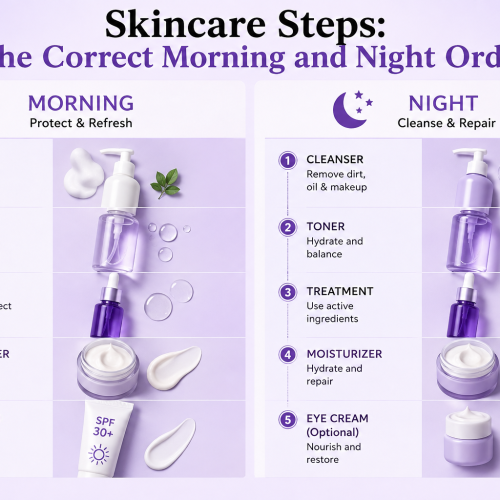
1. Start With a Gentle Cleanser, Not a Harsh One
A cleanser should remove sweat, sunscreen, makeup and excess oil without leaving your face painfully tight. The American Academy of Dermatology recommends gentle, non-abrasive cleansing. If your skin squeaks, stings or feels stretched after washing, the cleanser may be too stripping skincare tips for you.
2. Wash With Lukewarm Water
Very hot water can make dry or sensitive skin feel worse. Lukewarm water is enough for cleansing and is less likely to leave the skin skincare tips uncomfortable.
3. Moisturize While Skin Is Slightly Damp
Moisturiser helps reduce water loss from the skin. Apply it soon after cleansing while the skin is still slightly damp. Oily skin may prefer a light gel or lotion; dry skin often benefits from a richer skincare tips cream.
4. Wear Sunscreen Every Day
Daily sun protection is one of the most evidence-supported skincare habits. Dermatologists recommend broad-spectrum, water-resistant SPF 30 or higher. Sunscreen helps prevent sunburn, reduces cumulative UV damage and supports any routine aimed at uneven tone or visible skincare tips ageing.
5. Do Not Start Five Active Ingredients at Once
Retinoids, exfoliating acids, benzoyl peroxide and strong vitamin C formulas can be useful, but using several new actives together makes it difficult to know what is helping and what is irritating your skin. Introduce one new active at a time and give your skin time to skincare tips adjust.
6. Patch Test When Your Skin Is Reactive
If you are sensitive or allergy-prone, test a new product on a small area before applying it widely. Patch testing cannot predict every reaction, but it can catch obvious irritation before it affects your skincare tips entire face.
7. Treat Your Main Concern, Not Every Possible Concern
Choose one priority: acne, dryness, pigmentation, redness or fine lines. Build the routine around that need first. GlowCulture’s guide to skincare treatments by concern explains why matching the active ingredient to the actual problem matters more than copying someone else’s shelf.
8. Stop Scrubbing Your Face
Physical scrubs and cleansing brushes are not automatically bad, but aggressive scrubbing can trigger redness and irritation. Exfoliation should leave the skin smoother, not skincare tips raw.
9. Do Not Pick Spots
Picking can increase inflammation and raise the chance of post-inflammatory marks or scarring. Use a targeted acne treatment instead and seek medical advice if acne is painful, widespread or skincare tips leaving scars.
10. Keep Your Routine Boring When Your Barrier Feels Damaged
If your face suddenly burns with ordinary products, becomes unusually flaky or feels tight all day, simplify. A gentle cleanser, bland moisturiser and sunscreen can be more useful than adding another active while the skin is irritated.
11. Give Products Enough Time
Skincare rarely changes the skin overnight. Moisturisers can make dryness feel better quickly, but pigmentation, acne and fine-line treatments typically need consistent use over many weeks. Constantly switching products can hide whether something was beginning to skincare tips work.
12. Use the Right Amount of Product
More is not always better. Follow the label, especially for concentrated actives. Applying excessive retinoid or acid usually increases irritation rather than speeding up skincare tips results.
13. Keep Makeup Tools and Pillowcases Clean
Wash brushes and sponges regularly, especially if you use them on acne-prone skin. Change pillowcases at a sensible frequency and avoid sharing eye or lip skincare tips products.
14. Match Texture to Your Skin Type
A light gel can feel better on oily skin, while a cream or ointment may suit very dry areas. Your existing skin-type routine guide can help readers choose textures without creating a duplicate article around the same primary skincare tips keyword.
15. Know When Skincare Is Not Enough
Persistent rashes, severe acne, rapidly changing pigmentation, painful lesions or unexplained skin changes deserve professional assessment. Cosmetic skincare should not be used to self-diagnose a medical condition.
Frequently Asked Questions
What are the three most important skincare steps?
For many people: gentle cleansing, moisturising and daily sunscreen. Treatments can be added for specific concerns.
How can I get glowing skin naturally?
Protect the barrier, use sunscreen, sleep adequately, eat a balanced diet and treat specific concerns rather than chasing aggressive “glow” hacks.
Is expensive skincare better?
Not automatically. Formula, active ingredient, concentration, tolerability and consistency matter more than luxury branding.
Can I use the same routine all year?
Your core routine can stay stable, but you may prefer richer moisturiser in cold weather and lighter textures in humid months.
Final Thoughts
The best skincare tips are not dramatic. Clean gently, moisturise, protect from UV, introduce actives slowly and make changes based on your own skin. A simple routine you follow is usually more valuable than an elaborate routine you cannot tolerate.
Sources & Further Reading
- American Academy of Dermatology – Basic skin care
- AAD – 10 skin care secrets for healthier-looking skin
- AAD – Face washing 101
Editorial note: This article is educational and general in nature. Health and skincare content should not be used to diagnose or treat a condition. GlowCulture should keep medical claims conservative and consider qualified clinical review for YMYL pages. About GlowCulture: editorial background and author information.