


Category: Skin Care
Author: Aiman Shahzadi
A new line under eye can look dramatic in bright bathroom lighting, even when it is completely normal. The important question is not simply “How do I remove it?” but what type of line is it? A temporary dehydration crease behaves differently from a fine line caused by repeated facial movement, and both behave differently from a deeper fold created by facial anatomy or age-related volume change.
Quick answer: If the line becomes more noticeable when your skin is dry and softens after moisturising, dehydration is probably contributing. If it remains visible when your face is relaxed, it may be a more established fine line or structural crease. Skincare can soften many lines, but it cannot permanently erase line under eye every under-eye fold.
Why Is There a Line Under My Eye?

1. Dehydration can make tiny lines look deeper
The under-eye area has thin, delicate skin. When the outer layer is short on water, its surface looks less smooth and fine creases can become more visible. This is why a line can appear worse after cleansing, air travel, cold weather or a night in a dry heated room.
Hydration is not the same as “filling” a wrinkle. Humectants such as glycerin and hyaluronic acid attract water into the outer skin, while moisturising lipids help reduce water loss. The effect can make a fine dehydration line look softer, but it is temporary and depends on continued barrier care.
2. Repeated expressions create dynamic lines
Smiling and squinting fold the skin around the eyes thousands of times. At first, these lines may appear only during expression. With age, changes in collagen and elasticity can make some line under eye lines remain visible even when the face is relaxed.
3. Ageing changes skin thickness and facial support
Periorbital ageing is not only a skin-surface issue. Changes in collagen, fat compartments, bone and soft tissue can alter the shape of the lower eyelid and tear trough. That can create a line or shadow that no moisturiser can fully correct.
4. Sun exposure contributes to photoageing
UV exposure accelerates visible signs of skin ageing, including uneven pigmentation and fine lines. Consistent broad-spectrum sunscreen is therefore one of the most useful long-term habits if your goal is to prevent existing lines from becoming more noticeable.
5. Irritation and over-exfoliation can make texture look worse
A strong acid routine can leave delicate skin dry, red or flaky. If you use exfoliating acids elsewhere on your face, keep them away from the immediate eye contour unless the product is specifically designed for that area. GlowCulture’s AHA vs BHA vs PHA guide explains how to use exfoliants more safely.
How to Tell a Dehydration Line from a More Established Fine Line
| What you notice | More consistent with dehydration | More consistent with an established line |
|---|---|---|
| Changes through the day | Often looks worse after cleansing or in dry air | Usually remains visible across conditions |
| Response to moisturiser | May soften noticeably | May look smoother but rarely disappears |
| Depth | Usually very fine and superficial | May look deeper or follow a repeated fold |
| Expression | Can appear without obvious movement | Often becomes stronger when smiling or squinting |
This is only a practical self-check, not a diagnosis. If the change is sudden, one-sided, inflamed or associated with other eye symptoms, seek professional line under eye assessment.
What Can Help a Line Under the Eye?
Step 1: Repair hydration first
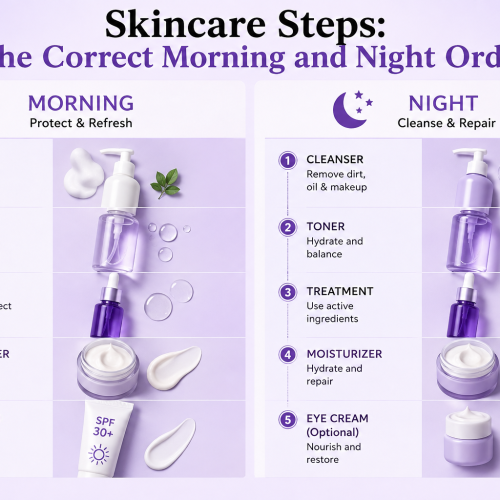
Before reaching for strong anti-ageing ingredients, spend two to four weeks making the area consistently comfortable. Use a gentle cleanser, a simple moisturiser and sunscreen. If the line improves substantially, barrier dehydration was probably part of the problem.
For a routine that fits your skin type, use GlowCulture’s complete skincare routine guide.
Step 2: Add a suitable eye treatment
Choose the ingredient based on the problem you actually see:
- Hyaluronic acid, glycerin and ceramides: best starting point for dehydration lines.
- Peptides: useful in many age-support eye formulas, though results depend on the specific formulation.
- Retinol or retinal: among the better-studied topical ingredient families for improving the appearance of fine lines over time, but they can irritate delicate skin.
- Niacinamide: a gentler option when barrier support and uneven tone are also concerns.
- Vitamin C: useful when dullness or pigmentation accompanies line under eye the line. Read GlowCulture’s vitamin C serum guide.
Step 3: Introduce retinoid-type products slowly
If you choose an eye product containing retinol or retinal, begin according to the manufacturer’s instructions rather than applying it every night immediately. Use a small amount and stop if you develop persistent burning, swelling or dermatitis. Retinoids are generally avoided during pregnancy unless a qualified clinician advises otherwise.
Step 4: Protect the area every morning
No anti-ageing routine is complete without sun protection. Sunglasses can also reduce squinting and provide physical coverage around the eye area.
Can Under-Eye Brighteners Help Fine Lines?
Sometimes. A product marketed as an under-eye brightener may contain hydration, peptides or a retinoid-type ingredient that also improves fine-line appearance. A caffeine-only product is more likely to target puffiness than a fixed crease.
What About an Under-Eye Booster?
The term under eye booster can refer to a concentrated topical serum or an injectable aesthetic treatment. If you are considering the injectable category, do not assume it is simply “stronger skincare.” It is a procedure with different benefits, risks and practitioner line under eye requirements. Read our guide to topical and injectable under-eye boosters.
When Skincare Is Unlikely to Be Enough
A deep tear-trough groove, pronounced skin laxity or major volume loss may not respond meaningfully to creams. Dermatology literature on periorbital hyperpigmentation line under eye also shows that structural causes often need different approaches from pigment-based dark circles. A dermatologist, oculoplastic specialist or appropriately qualified aesthetic clinician can help identify which structure is creating the line or shadow.
Do not rush into filler or injections because of a social-media before-and-after. Procedures around the eye can have significant complications. The NHS recommends choosing a properly trained practitioner and understanding the risks before any cosmetic procedure.
Frequently Asked Questions
Why did a line under my eye suddenly appear?
Dryness, irritation, poor sleep, puffiness or lighting can make an existing fine crease suddenly look more obvious. A genuinely new, one-sided or symptomatic change should be assessed by a healthcare professional.
Can moisturiser remove under-eye lines?
Moisturiser can make dehydration lines look much softer by improving surface hydration. It cannot permanently remove a deeper structural crease.
Is retinol safe under the eyes?
Retinol is used in many products formulated specifically for the eye area, but the skin there is easily irritated. Follow the product directions, introduce slowly and keep it away from the eye itself.
How long does it take to improve fine lines?
Hydration-related improvement can be visible quickly. Collagen-related changes from retinoid-type products generally require consistent use for weeks to months.
Can sleep fix an under-eye line?
Better sleep can make a tired or puffy eye area look fresher, but it will not erase a true wrinkle. If sleep is inconsistent, start with our sleep-quality guide.
Final Thoughts
A line under eye is not automatically a sign that something is wrong or that you need a procedure. Start with hydration, sun protection and a gentle routine. Then decide whether you are dealing with dehydration, a fine wrinkle, pigment, puffiness or a structural tear-trough shadow before spending money on stronger products.