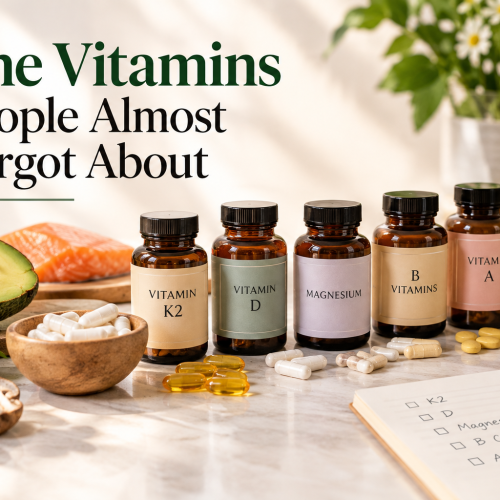

The word “vitamin” is barely a century old — invented by one biochemist studying rice bran and a disease called beriberi. Here’s how it happened.

Forgotten Foods That Protected Ancient Humans From Deficiency
Fermentation and organ-meat eating protected traditional cultures from deficiency long before vitamins were understood — here’s the real history.

The Mystery Diseases Caused by Missing Nutrients
Pellagra, beriberi, and scurvy killed thousands before anyone connected them to diet — here’s the real history of how each mystery was solved.

What Ancient Humans Ate Before Agriculture Changed Everything
New archaeological evidence shows early humans relied on processed plants — not just meat — hundreds of thousands of years before farming began.

How to Wear a Bandana in 2026: 12 Easy Outfit Ideas That Look Current
Category: FashionAuthor: Aiman Shahzadi The bandana has moved from practical accessory to one of the most visible styling tricks of summer 2026. It is inexpensive, easy to reuse and can change the mood of basics you already own. The key is styling it deliberately rather than making the outfit look like a costume. Quick answer: The most current looks pair a small scarf with simple clothes: a white shirt and jeans, a slip dress, a tank and trousers, or a blazer. Wear it as a headscarf, neck scarf, hair tie, bag accent or belt detail. Why Bandanas Are Trending Again Fashion coverage in summer 2026 has highlighted bandanas and kerchiefs on celebrities, street-style attendees and runway-adjacent looks. Their appeal is practical: you can add colour, print and texture without buying an entirely new outfit. 12 Bandana Outfit Ideas for 2026 1. White shirt + straight jeans + neck bandana Fold the scarf into a narrow strip and tie it loosely at the neck. Keep the rest of the look clean with loafers, ballet flats or minimal trainers. 2. Tank top + wide-leg trousers + headscarf A triangle-fold tied under the hair adds shape to a simple warm-weather outfit. Choose one colour from the scarf and repeat it in your bag or shoes. 3. Slip dress + kerchief Use a small scarf to make a minimal dress feel more styled. Keep jewellery restrained if the print is busy. 4. Denim-on-denim + red bandana Blue denim and a red scarf creates a classic contrast. Use modern shoe shapes to keep the outfit from feeling too literal. 5. Blazer + T-shirt + bandana A silk or cotton neck scarf softens a structured blazer and works well for transitional weather. 6. Ponytail wrap Tie a small bandana around a low ponytail. This is one of the easiest ways to try the trend if full headscarves feel too bold. 7. Bandana on a handbag Wrap it around a handle or tie one small knot. This works especially well with neutral bags. 8. Bandana as a belt accent Thread a longer scarf through two belt loops rather than using it as a full belt. It adds print without overwhelming the silhouette. 9. Sporty shorts + oversized shirt + bandana This combines the scarf trend with 2026’s relaxed sportswear styling. Keep the scarf neat and the shirt loose. 10. Black dress + monochrome scarf If colour is not your style, use a black-and-white paisley or geometric scarf for texture. 11. Boho blouse + head bandana Pair with straight jeans so the outfit has one romantic statement rather than several competing ones. 12. Leather jacket + scarf A neck bandana can make a leather jacket feel lighter and more transitional for late summer into autumn. What Size Bandana Works Best? A classic square works for neck and hair styling. Larger silk scarves give more coverage for headscarf looks or can be folded into a top, but they behave differently from a small cotton bandana. If you are shopping specifically for hair, check that the fabric has enough grip to stay in place. Best Colours for 2026 If you are building outfits from fewer pieces, pair this article with GlowCulture’s women’s capsule wardrobe guide. A scarf is a good example of a low-cost accessory that creates more combinations from existing clothes. Bandana Styling Mistakes to Avoid How to Tie a Bandana: Three Simple Folds Choosing the Right Fabric Wearing a Bandana Comfortably in Warm Weather Choose lightweight cotton, keep knots loose so the scarf does not pull on your hair, and avoid tying it tightly around the neck. A headscarf can help shade your scalp and part, but it does not replace sunscreen on exposed skin such as the face and neck. Caring for Your Bandana Wash bright or dark bandanas separately at first, because red and navy dyes can bleed. Use a cool wash, dry flat or on a line, and iron on a low heat while slightly damp for a crisp fold. Check the care label on silk and satin. Finding Bandanas on a Budget Bandanas are one of the cheapest ways to update an outfit. Charity shops, vintage markets and resale apps often have good cotton and silk squares, and you can also reuse scarves you already own. For more ways to look put-together without overspending, read our guide to affordable fashion that looks expensive. Frequently Asked Questions Are bandanas in style in 2026? Yes. They have been highly visible in summer 2026 celebrity and street-style coverage and are also useful for pre-fall styling. How do you wear a bandana without looking childish? Pair it with simple tailoring, denim, a solid dress or a neutral shirt. One polished scarf detail usually looks more intentional than several playful elements together. Can you wear a bandana to work? In relaxed or creative offices, a small silk neck scarf with a blazer or shirt can work well. Follow your workplace dress code. What hairstyle works with a bandana? Low buns, ponytails, loose waves and straight hair all work. Adjust the fold so the scarf frames rather than hides the hairstyle. Final Thoughts The 2026 bandana trend is useful because it does not require a wardrobe overhaul. One scarf can style hair, a bag, a blazer, denim and dresses, making it a practical, low-cost way to refresh clothes you already own. Related Reading Browse more in Fashion. Sources & Further Reading Editorial note: This article offers general style guidance. Trends, prices and product availability change, so check current details before you buy. Learn how we research and review our content in our Editorial Policy.

The Nutrition Discoveries Science Forgot After WWII
Nutrition research didn’t stop advancing after WWII — it got buried. Here’s what scientists found, why it disappeared, and why it matters now.
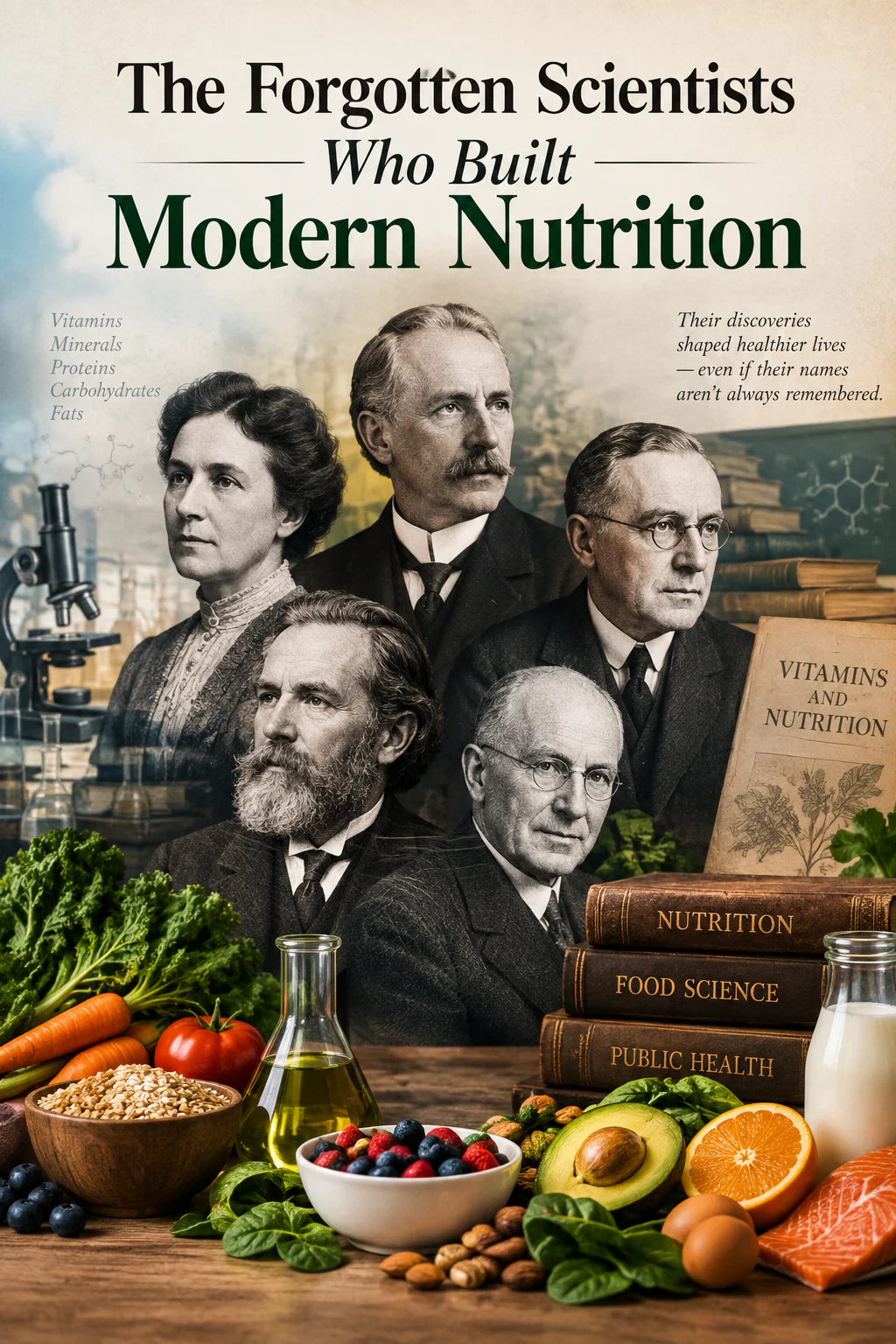
The Forgotten Scientists Who Built Modern Nutrition
Robert McCarrison and Nevin Scrimshaw built the institutions modern nutrition science still runs on — so why has almost nobody heard of them?
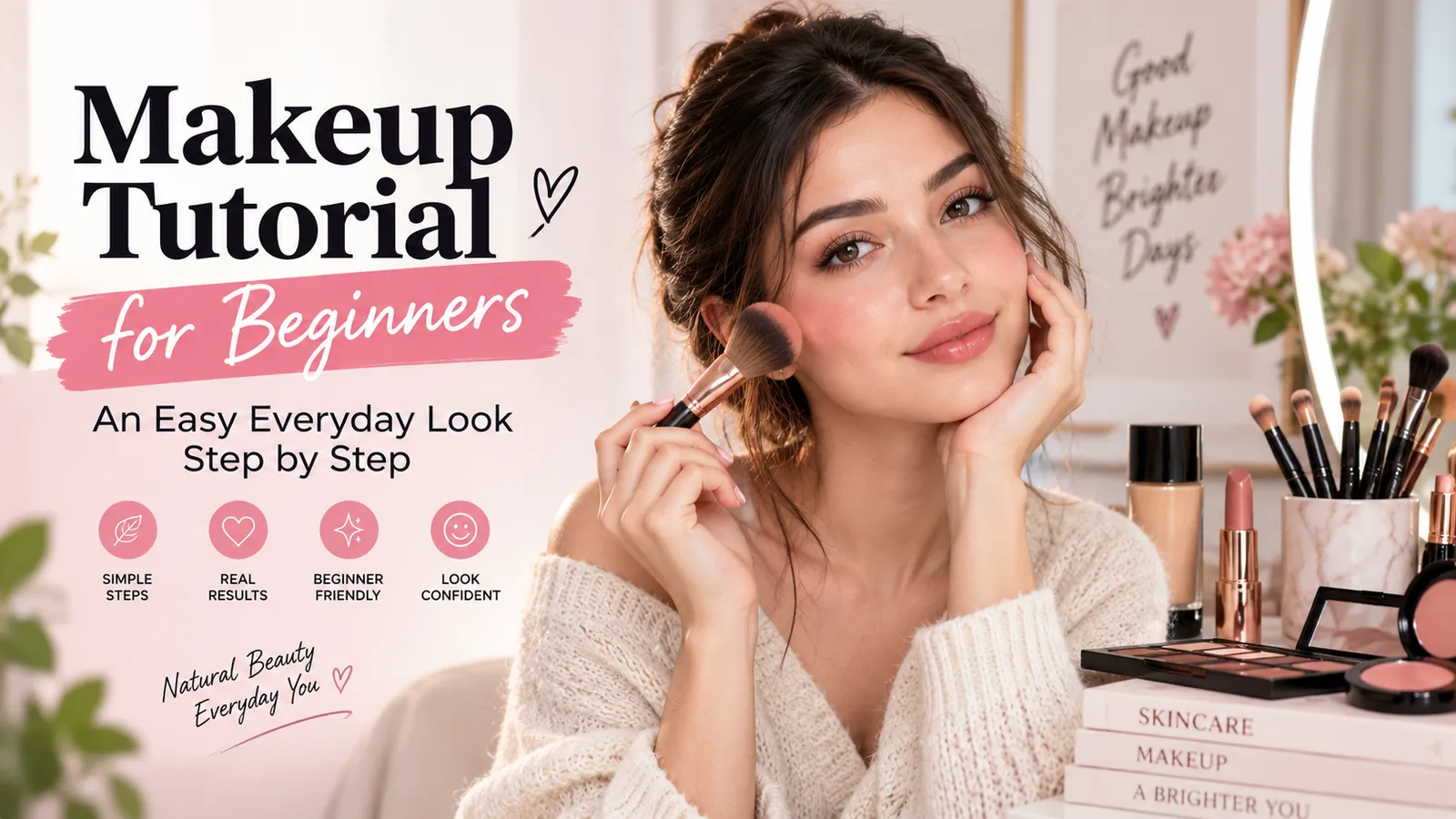
Makeup Tutorial for Beginners: Easy Everyday Look
Makeup feels difficult when tutorials jump straight into contour maps, cut creases and ten different brushes. Beginners do not need any of that. A polished everyday look can be built with a small kit and a repeatable order that is easy to adjust for your own face. Quick answer: Prep the skin, apply a light base only where needed, add concealer, set high-movement areas, define brows, add simple eye makeup, use mascara, bring colour back with blush and finish with a comfortable lip product. Start sheer and build slowly. For more on this, see our guides to easy everyday eye makeup looks for beginners, a no-nonsense buying guide to Real Techniques brushes and beauty tips that make your routine easier. What You Need for This Beginner Makeup Tutorial Step 1: Prep Your Skin Makeup sits better on comfortable, moisturised skin. Use your normal skincare rather than trying a new heavy primer routine on the same day. In daytime, sunscreen goes after skincare and before makeup. Step 2: Apply a Light Base Start with less product than you think you need. Dot foundation or tint around the centre of the face and blend outward with fingers, a damp sponge or a brush. If your skin already looks even, skip full-face foundation and use concealer only where you want coverage. Step 3: Conceal Strategically Add small amounts under the eyes, around the nose or over blemishes. Let high-coverage concealer sit for a few seconds before blending. This often gives more coverage with less product. Step 4: Set Only Where Needed Powder is useful on areas that crease or become shiny, but a dry or glowy skin type may not need it everywhere. Press a small amount into the T-zone or under-eye area instead of dusting the whole face heavily. Step 5: Fill Brows Lightly Brush brows upward, then fill visible gaps with short strokes. Keep the front softer and add slightly more definition through the arch and tail. Brow gel can hold the hairs in place without making the brow look drawn on. Step 6: Add Easy Eye Definition Use one neutral shadow over the lid and a slightly deeper shade close to the lash line or outer corner. A matte bronzer can work as a simple crease colour. If you want more ideas, GlowCulture already has a separate 2026 eye makeup trends guide. Step 7: Curl Lashes and Apply Mascara Curl lashes before mascara, never after it has dried. Wiggle the mascara wand gently at the roots and pull upward. One coat gives a natural result; a second coat adds definition. Step 8: Bring Colour Back With Blush After foundation, the face can look flat. Add blush to the apples or upper cheek depending on the effect you like. Cream formulas tend to look dewy; powder formulas can be easier to control over set makeup. Step 9: Add Optional Bronzer or Highlighter Bronzer can warm the perimeter of the face and highlighter can emphasise the high points. Both are optional. Beginners often get a cleaner result by mastering base, brows, lashes and blush first. Step 10: Finish the Lips For everyday makeup, choose a lip product you can reapply without a mirror. Balm, tint and soft lipstick are forgiving. Lip liner can add shape, but it does not need to be dramatically darker than the lip colour. Beginner Makeup Mistakes to Avoid Choosing Products for Your Skin Type Finding the Right Foundation Shade Test shades along the jawline in natural daylight rather than under shop lighting. A good match should disappear into the neck and face, and it can be worth testing two or three shades side by side. Skin tone can change with the season, so you may want a slightly deeper or lighter shade at different times of year. If you are unsure, a sheer skin tint is more forgiving than a full-coverage foundation. Makeup for Different Occasions Keeping Makeup and Tools Hygienic Wash brushes and sponges regularly with a gentle cleanser and let them dry completely, since product build-up can affect blending and irritate skin. Avoid sharing eye and lip products, and discard mascara two to four months after buying it, as manufacturers usually recommend (see the FDA eye cosmetic safety guidance). For help choosing brushes that suit this routine, see our Real Techniques brush guide. Frequently Asked Questions What makeup should a beginner buy first? A light base or concealer, brow product, mascara, blush and lip product are enough to build a complete look. Does concealer go before or after foundation? Usually after foundation so you can see which areas still need coverage. Colour corrector, if used, normally goes before foundation or concealer. Do I need primer? No. Primer can help with specific issues such as oil control, grip or smoothing, but it is not compulsory for a good makeup application. How do I make makeup look natural? Use thin layers, keep some natural skin visible, blend edges carefully and choose shades close to your natural colouring. Final Thoughts The best beginner makeup tutorial is one you can repeat. Build a light base, define one feature at a time and stop before the makeup feels heavy. Technique improves much faster when the routine stays simple. Related Reading Browse more in Beauty or return to the GlowCulture homepage. Sources & Further Reading Editorial note: This article is for general information only and is not medical advice. Please speak to a qualified healthcare professional about any personal health or skin concern. Learn how we research and review our content in our Editorial Policy.

Proteinmaxxing: How Much Protein Do You Actually Need in 2026?
Category: HealthAuthor: Aiman Shahzadi Protein is everywhere in 2026: high-protein cereal, yoghurt, coffee, snacks, desserts and even foods that were never traditionally marketed as protein products. The internet calls the behaviour proteinmaxxing – trying to push protein intake as high as possible to build muscle, stay full or protect lean mass while losing weight. For more on this, see our guides to whether the fibermaxxing trend is actually healthy, whether creatine actually improves brain health and anti-inflammatory foods to add to your diet. Quick answer: Protein is essential, but more is not endlessly better. Needs vary by body size, age, activity, pregnancy, illness and training. Most people benefit more from adequate protein spread across meals than from chasing an extreme daily proteinmaxxing number. Why Is Proteinmaxxing So Popular? The trend sits at the intersection of gym culture, weight-loss conversations, GLP-1 medications, social media meal-prep content and aggressive “high protein” food marketing. Protein does matter for muscle maintenance and repair, but the marketing can make ordinary foods seem inadequate unless they contain a huge number on the front of the pack. What Does Protein Do? How Much Protein Do You Need? There is no one perfect number for every adult. UK public-health guidance focuses on eating a balanced diet with protein foods such as beans, pulses, fish, eggs, meat and other sources. People with higher training loads, older adults and those recovering from illness may have different requirements. Goal/context Useful focus What not to assume General health Include a protein source in regular meals Every snack needs added protein Building muscle Resistance training + adequate energy + protein Protein alone builds muscle Weight management Balanced meals with protein, fibre and produce High-protein labels guarantee a low-calorie food Vegetarian/vegan diet Beans, lentils, tofu, tempeh, soya, nuts, seeds Animal protein is required Signs Your Protein Strategy Is Becoming Unbalanced You are replacing fruit, vegetables and whole grains A diet can be high in protein and still be low in fibre, potassium, vitamin C and other nutrients. If every meal becomes meat, shakes and bars, the rest of the diet can shrink too far. You are relying heavily on processed “protein” foods Protein biscuits, desserts and snacks can fit occasionally, but a protein claim does not automatically make a product nutritious. Check the full ingredient list, saturated fat, salt, added sugars and portion size. You are treating a social-media target as medical advice Protein requirements can change with kidney disease, liver disease, pregnancy, older age, cancer treatment and other conditions. Personalised advice is more appropriate in those situations. How to Build a High-Protein Meal Without “Maxxing” If stress or poor sleep is driving cravings or inconsistent eating, GlowCulture’s stress-management guide and sleep-quality guide are more useful than simply adding another supplement. Proteinmaxxing and GLP-1 Weight-Loss Drugs People taking prescription weight-management medicines may eat less overall, which can make adequate nutrition more important. However, medication users should not copy internet protein targets. Their prescribing clinician or dietitian can help with protein, energy, hydration and side effects in the context of their medical history. Protein Sources Compared A Sample Day That Does Not Overdo It What the Official Guidance Says UK reference intakes for most adults are around 0.75g of protein per kilogram of body weight per day, although people who train regularly, older adults and those recovering from illness may need more. Exact figures depend on the individual, which is why it is worth discussing your own needs with a registered dietitian or your GP instead of copying a number from social media. Practical Tips If You Want to Eat More Protein Frequently Asked Questions Can too much protein be bad for you? Very high intakes can crowd out other foods, add excess calories and may be inappropriate for certain medical conditions. The source of protein also matters: a diet dominated by processed meats is different from one based on fish, pulses, dairy, eggs, tofu and nuts. Do I need protein powder? No. Protein powder is a convenience product, not a requirement. Many people can meet their needs through food. Is plant protein enough? Yes, a well-planned diet can provide adequate protein from beans, pulses, soya foods, nuts, seeds and grains. Variety helps provide a broad amino-acid profile. Should I eat protein at every meal? Including a useful source at meals can be a practical way to distribute intake, but there is no need to turn every drink and snack into a protein product. Final Thoughts Proteinmaxxing reflects a real interest in muscle and nutrition, but the healthiest version is “protein adequacy,” not protein obsession. Build complete meals, spread protein through the day and make room for fibre-rich plants and healthy fats. Related Reading Browse more in Health or return to the GlowCulture homepage. Sources & Further Reading Editorial note: This article is for general information only and is not medical advice. Please speak to a qualified healthcare professional about any personal health or skin concern. Learn how we research and review our content in our Editorial Policy.
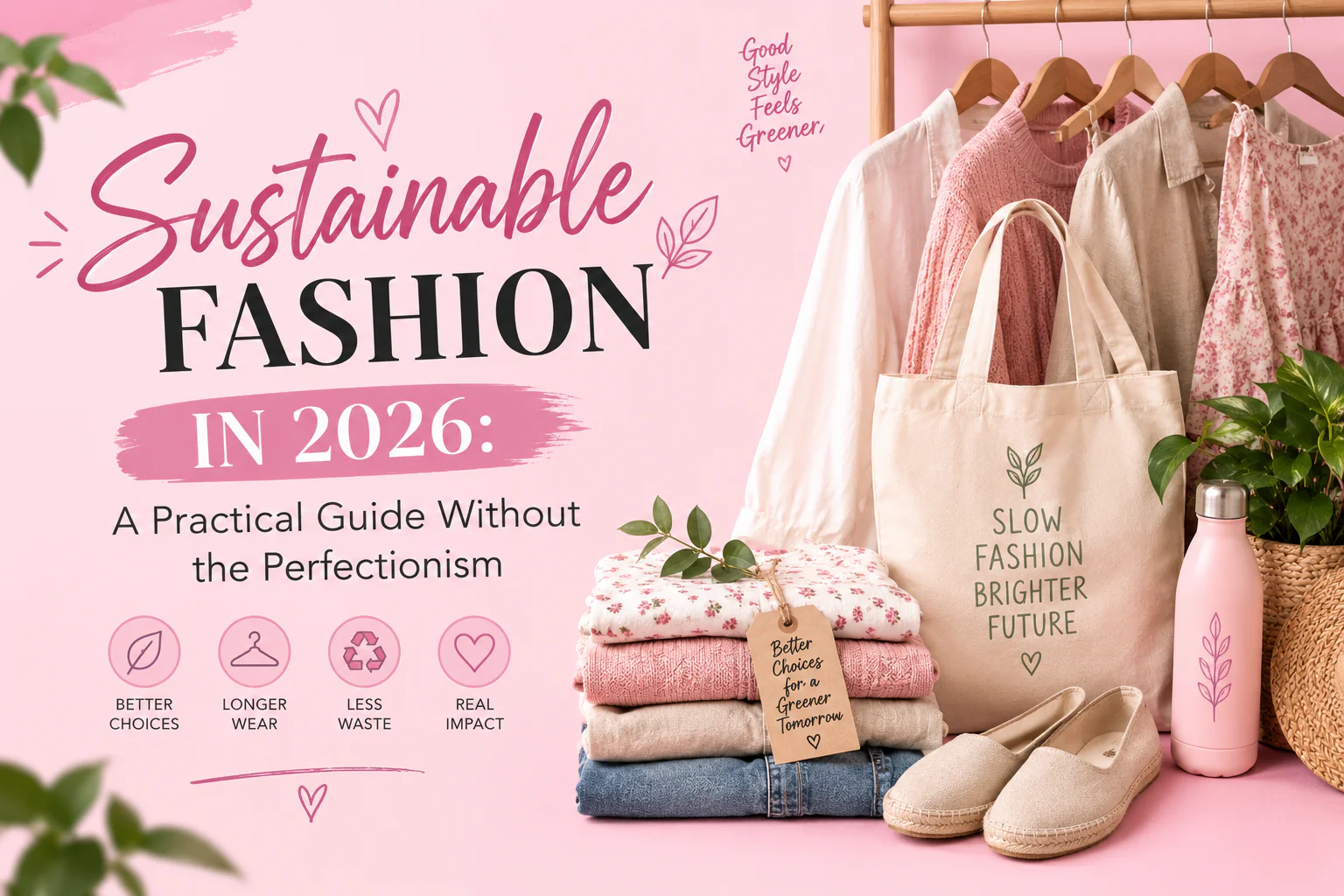
Sustainable Fashion in 2026: A Practical Guide Without the Perfectionism
Category: FashionAuthor: Aiman Shahzadi Sustainable fashion is often presented as a shopping category: buy this “green” dress, this recycled trainer or this ethical handbag. But the most practical version starts before you buy anything. Wearing clothes longer, buying fewer pieces, repairing what you own and choosing items that genuinely fit your life can reduce waste without turning your wardrobe into a research project. For more on this, see our guides to sustainable fashion brands worth your money and how to dress more expensive on a budget. Quick answer: Sustainable fashion means reducing the environmental and social impact of clothing across production, use and disposal. For an individual, the most realistic actions are to buy less, choose better-fitting pieces, wear items more often, care for them properly, repair when possible and use resale or second-hand options. What Sustainable Fashion Means The phrase covers materials, energy, water, chemicals, labour practices, transport, durability, repairability and what happens when clothing is no longer wanted. No single fabric or label makes an item automatically “sustainable” in every context. Step 1: Start With the Wardrobe You Already Own The lowest-cost sustainable action is to use what you already have. Pull out pieces you rarely wear and ask why: wrong fit, awkward colour, difficult care, no matching items or simply forgotten? Step 2: Create a 30-Wear Mindset Before buying, imagine at least ten complete outfits or several real situations where the piece works. The exact number of wears is less important than the habit of thinking beyond one event or one social-media post. Step 3: Prioritise Fit A supposedly eco-friendly garment you dislike wearing is not a good purchase for your wardrobe. Fit and comfort strongly influence whether clothes are actually used. Step 4: Shop Second-Hand Strategically Second-hand is useful for coats, denim, leather, occasion wear, bags and statement pieces. Search by measurement, fabric and silhouette instead of just size labels. Step 5: Learn Basic Clothing Care Step 6: Repair Before Replacing A loose button, fallen hem, small seam split or worn heel does not automatically mean an item is finished. Learning a few basic repairs or using a local tailor can extend the life of clothes significantly. Step 7: Be Careful With “Eco” Marketing Words such as conscious, green, responsible and natural can sound reassuring but may be vague. Look for specific information about materials, certification, manufacturing, durability or repair rather than relying on one marketing phrase. Step 8: Build a Connected Wardrobe A smaller wardrobe becomes more useful when pieces work together. GlowCulture’s capsule wardrobe guide can help you create combinations before you buy more. Step 9: Use Trends Selectively Trend interest is part of fashion and does not need to disappear. Try a trend through accessories, styling or one versatile piece rather than buying multiple near-identical items that may be abandoned quickly. Step 10: Resell, Donate or Recycle Thoughtfully Reselling can keep good garments in use. Donation is useful when organisations can realistically redistribute the items. Textile recycling is a last option for clothing that cannot be repaired or reused, and availability varies by location. Why Wearing Clothes Longer Makes a Difference It is tempting to think sustainability is mostly about what a garment is made from, but how long you keep and wear it matters just as much. Research from the UK waste-reduction charity WRAP found that around 30% of the clothing in the average UK wardrobe had not been worn for at least a year, most often because it no longer fitted. The same research estimated that extending the life of clothes by just three months of active use per item would cut the carbon, water and waste footprints of clothing by roughly 5-10%. The exact figures depend on the study, but the direction is consistent: more wears per garment means less impact per wear. A Simple Wardrobe Audit You Can Do This Weekend Fabric Basics for Longer-Lasting Clothes No fabric is perfect, so it helps to know the trade-offs. What to Do With Clothes You No Longer Wear Cost-Conscious Ways to Shop More Sustainably Shopping more sustainably does not have to cost more. Second-hand pieces, clothes swaps and repairs are often cheaper than buying new. When you do buy, consider cost per wear: a coat that costs more but is worn for years may be a better value than several cheaper items that lose shape quickly. For a shortlist of brands that are transparent about materials and production, see our guide to sustainable fashion brands, and use our capsule wardrobe guide to plan purchases that work with what you already own. Frequently Asked Questions Is sustainable fashion expensive? It can be, but it does not have to be. Buying less, shopping second-hand, repairing and wearing clothes longer can reduce spending. What is the most sustainable fabric? There is no universal winner. Impact depends on farming or production methods, processing, durability, care and how long you use the garment. Is second-hand always sustainable? It extends the life of existing clothing, but buying large amounts second-hand can still create clutter and waste. The goal is useful wear. How do I start a sustainable wardrobe? Audit what you own, identify gaps, set a waiting period before purchases and choose items that create several outfits. Final Thoughts Sustainable fashion is not a purity test. The most useful approach is simple: own fewer pieces you genuinely wear, care for them, repair them and shop with a clear reason. Related Reading Browse more in Fashion or return to the GlowCulture homepage. Sources & Further Reading Editorial note: This article offers general style guidance. Trends, prices and product availability change, so check current details before you buy. Learn how we research and review our content in our Editorial Policy.