



Category: Skin Care
Author: Aiman Shahzadi
You can sleep eight hours and still wake up looking tired. That is because a dark or shadowed under-eye area is not caused by one thing. Pigment, thin skin, visible blood vessels, allergies, puffiness, genetics, age-related hollowing and fine lines can all change how light falls around the eyes. An under eye brightener may improve the appearance of some of these concerns, but the right choice depends on what is actually creating the darkness.
This guide explains the main causes, the ingredients worth looking for, how topical brighteners differ from an injectable under eye booster, and when home skincare is unlikely to be enough. The goal is not to promise a “cure” for dark circles. It is to help you choose a realistic, evidence-informed under eye brightener approach.
Quick answer: For puffiness, caffeine and cooling formulas may offer a temporary visible improvement. For dry fine lines, humectants and barrier-supporting ingredients can make the area look smoother. For pigment-related darkness, sunscreen plus brightening ingredients may help gradually. Hollowing and structural shadowing often respond less to creams and should be assessed by a qualified professional.
Why Do Under-Eye Dark Circles and Lines Form?

Dermatology reviews describe periorbital dark circles as a multifactorial concern. In other words, two people can have similar-looking dark circles for completely different reasons. That is why copying someone else’s eye cream routine often disappoints.
Thin skin and visible blood vessels
The skin around the eyes is delicate. When the skin is naturally thin, underlying vessels can contribute blue, purple or reddish tones. This is also why “brightening” does not always mean removing pigment. Sometimes the colour you see is vascular rather than melanin-based.
Genetics and pigmentation
Some people naturally have more pigment around the eyes. Repeated rubbing, eczema, allergic irritation and inflammation may also leave the area looking darker. If pigment is the dominant cause, a gentle brightening routine and consistent sun protection can be more relevant than a de-puffing cream.
Ageing, collagen loss and a visible line under the eye
With time, changes in collagen, skin thickness and facial volume can make a line under eye or tear-trough shadow more noticeable. A moisturising eye product can soften dehydration lines, while retinoid-type ingredients can improve the appearance of fine lines over time. They cannot, however, replace under eye brightener lost volume or permanently erase a structural crease.
If your main concern is a single crease or fine line rather than dark circles, read our dedicated guide to what causes a line under the eye and what can realistically improve it.
Sleep, allergies, dehydration and daily habits
Poor sleep can make the eye area look more tired, and allergies may contribute to puffiness, rubbing and discolouration. Dehydrated skin can also make fine lines look sharper because the surface is less plump. Screen use itself is not a proven direct cause of permanent dark circles, but long sessions can contribute to eye strain or rubbing in some people.
For practical sleep support, see GlowCulture’s evidence-based guide to improving sleep quality.
How to Reduce Dark Circles and Under-Eye Lines Naturally
1. Start with sleep and hydration, but keep expectations realistic
If tiredness is exaggerating your under-eye appearance, improving your sleep routine may make you look more rested. Hydration can also help dry skin look temporarily smoother. Neither will change genetically determined pigmentation or a deep tear trough.
2. Try a cool compress for temporary puffiness
A cool compress can temporarily reduce the look of morning under eye brightener puffiness. Keep the temperature comfortable, never place ice directly on delicate skin, and do not press hard around the eye.
3. Be gentle with massage and gua sha
Light massage can feel relaxing and may temporarily move superficial fluid, but aggressive rubbing can irritate the area and may worsen pigment in people prone to post-inflammatory darkening. Use slip from a moisturiser or serum and avoid dragging the skin.
4. Use daily sun protection
UV and visible-light exposure can worsen many forms of facial pigmentation. Choose a broad-spectrum sunscreen you tolerate and apply it carefully around the orbital bone without getting product into the eyes. The American Academy of Dermatology recommends sunscreen as an important part of under eye brightener managing dark spots and uneven pigmentation.
If you are building a full routine, our 2026 skincare routine guide explains where serums, moisturisers and sunscreen fit.
What to Look for in an Under-Eye Brightener

| Ingredient | Best suited to | What it may do | Watch-outs |
|---|---|---|---|
| Caffeine | Morning puffiness, tired-looking eyes | May temporarily improve puffiness and the appearance of some vascular dark circles | Results vary; it will not correct structural hollowing |
| Vitamin C | Dullness, uneven-looking tone | Antioxidant support and gradual brightening | Some formulas sting sensitive eye areas |
| Niacinamide | Uneven tone, barrier support | Supports the skin barrier and can help improve the look of discoloration over time | Use a gentle formula around the eyes |
| Peptides | Fine lines, general age support | Can support a smoother, firmer-looking appearance depending on the formula | Product-specific evidence varies |
| Retinol / retinal | Fine lines and texture | Can improve the appearance of fine lines with consistent use | Introduce slowly; avoid during pregnancy unless your clinician advises otherwise |
| Hyaluronic acid / glycerin / ceramides | Dryness and dehydration lines | Hydrate and support a smoother surface | Do not expect them to remove pigment or volume loss |
For more on vitamin C, see GlowCulture’s guide to the benefits of vitamin C serum.
Best Under-Eye Brighteners and Boosters to Consider in 2026
Prices below are approximate UK prices checked in August 2026 and can change. GlowCulture is not claiming that any one product is best for every skin type. This roundup is not sponsored.
1. The Ordinary Caffeine Solution 5% + EGCG
Approx. price: £8.40 for 30 ml.
Best for: budget-friendly morning de-puffing and tired-looking eyes.
Why it stands out: a lightweight caffeine-based serum designed specifically for puffiness and dark-circle appearance.
View the official product page.
2. The INKEY List Caffeine Eye Cream
Approx. price: £10 for 15 ml.
Best for: users who prefer a cream texture rather than a watery serum.
Why it stands out: caffeine-focused eye care at an accessible price.
View the official product page.
3. Beauty of Joseon Revive Eye Serum: Ginseng + Retinal
Approx. UK price: about £15 at major retailers.
Best for: fine lines and texture rather than instant de-puffing.
Why it stands out: combines ginseng with retinal. Retinal is a vitamin A derivative, so introduce it gradually and follow the brand’s safety directions.
4. CeraVe Eye Repair Cream
Price: varies by UK retailer.
Best for: dry or barrier-prone under-eyes.
Why it stands out: uses ceramides under eye brightener and hyaluronic acid to hydrate and support the skin barrier rather than relying on aggressive actives.
View the official product page.
5. The Ordinary Multi-Peptide Eye Serum
Approx. price: £19.90 for 15 ml.
Best for: people looking for a peptide-based age-support option with a lightweight serum feel.
Why it stands out: gives you a different strategy from caffeine-only eye products.
View The Ordinary eye-care range.
6. Clinique All About Eyes Rich
Approx. price: £36 for 15 ml.
Best for: dry under-eyes where hydration and a richer texture are the priority.
Why it stands out: a higher-price moisturising option designed to hydrate and visibly de-puff.
View the official product page.
Important: “Under-eye booster” can also refer to under eye brightener an injectable treatment, not just skincare. If you are comparing topical products with procedures such as VITARAN, read our under-eye booster guide first so you are comparing like with like.
What About VITARAN Under Eyes?
VITARAN Eyes is not an eye cream. It is a polynucleotide injectable intended for professional aesthetic use in the under-eye area. The manufacturer describes it as a product made with purified salmon/trout-derived DNA fragments. Research on polynucleotide injectables is promising for skin texture, hydration and fine-line appearance, but systematic reviews still describe the evidence base as limited by small studies and variable study quality.
If you are specifically searching for vitaran under eyes or vitaran under eye, read our separate, safety-first VITARAN under-eye guide. Do not buy an injectable online for self-treatment.
How to Apply Under-Eye Products for Best Results
- Cleanse gently. Avoid harsh rubbing around the eye.
- Use a small amount. More product is not automatically more effective.
- Apply around the orbital bone. Follow the product’s directions and keep active formulas away from the lash line unless the label specifically permits closer use.
- Tap rather than drag. Your ring finger is often convenient because it encourages lighter pressure, but the key is gentleness rather than the specific finger.
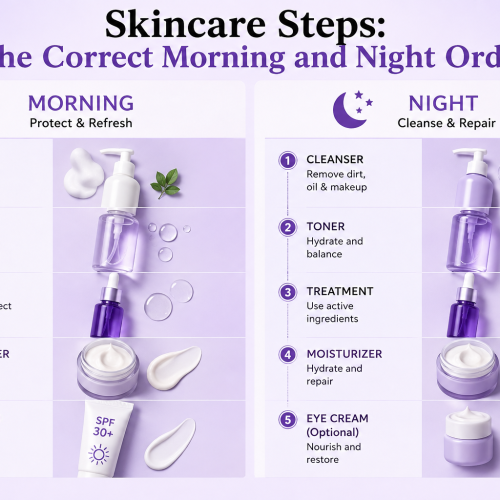
- Layer correctly. Lightweight serums usually go before moisturiser. Sunscreen is the final skincare step in the morning.
- Introduce strong actives slowly. Retinol/retinal products can irritate delicate skin if introduced too quickly.
When to See a Dermatologist or Doctor
Book a professional assessment if your under-eye changes are sudden, one-sided, painful, associated with significant swelling, accompanied by eye symptoms, or persist despite a sensible routine. A dermatologist can also help distinguish pigment, vascular colour, eczema-related changes, tear-trough under eye brightener shadowing and other causes that need different treatment strategies.
If you are considering an injectable cosmetic procedure, use a properly qualified practitioner with specific experience around the eye area. The NHS advises people considering cosmetic procedures to research the practitioner, understand risks and avoid making decisions based only on price or social-media marketing.
Frequently Asked Questions
Do under-eye brighteners really work?
They can improve the appearance of certain concerns, especially dehydration, mild puffiness and some forms of uneven tone. They are much less likely to change deep genetic pigmentation, marked volume loss or structural shadowing.
What ingredient is best for dark circles?
There is no single best ingredient because dark circles have different causes. Caffeine is more relevant to puffiness; retinoid-type ingredients can help fine-line appearance; hydrating ingredients improve dehydration lines; and sunscreen plus suitable brightening ingredients can support pigment management.
Can a line under the eye be reversed?
A dehydration line may look much softer once the skin is well hydrated. A true age-related or structural crease can often be improved but is unlikely to be permanently “erased” by skincare.
How long does an under-eye brightener take to work?
Hydration and cooling can change appearance quickly, sometimes within minutes or hours. Pigment and fine-line changes generally require consistent use over weeks to under eye brightener months. Avoid products promising permanent results in a few days.
Is an under-eye booster the same as an eye cream?
Not always. “Booster” is a broad marketing term. It can describe a concentrated serum or an injectable skin treatment. Always check what type of product or procedure is being discussed.
Final Thoughts
The most effective under-eye routine starts with identifying the cause rather than chasing the strongest product. Choose an under eye brightener that matches your main concern, protect the area from sun exposure, keep the routine gentle, and give realistic changes time to appear.
Next, explore GlowCulture’s science-based glass skin guide or learn how to build a skincare routine for your skin type.
Sources & Further Reading
- PubMed — Periorbital Hyperpigmentation: A Comprehensive Review
- PMC — Review of the efficacy of popular eye-cream ingredients
- American Academy of Dermatology — Dark spots and sun protection
- NHS — Advice about cosmetic procedures
Editorial note: This article is educational and does not diagnose or treat medical conditions. Persistent or sudden changes around the eyes should be assessed by an appropriate healthcare professional. About GlowCulture: Editorial background and author information.