
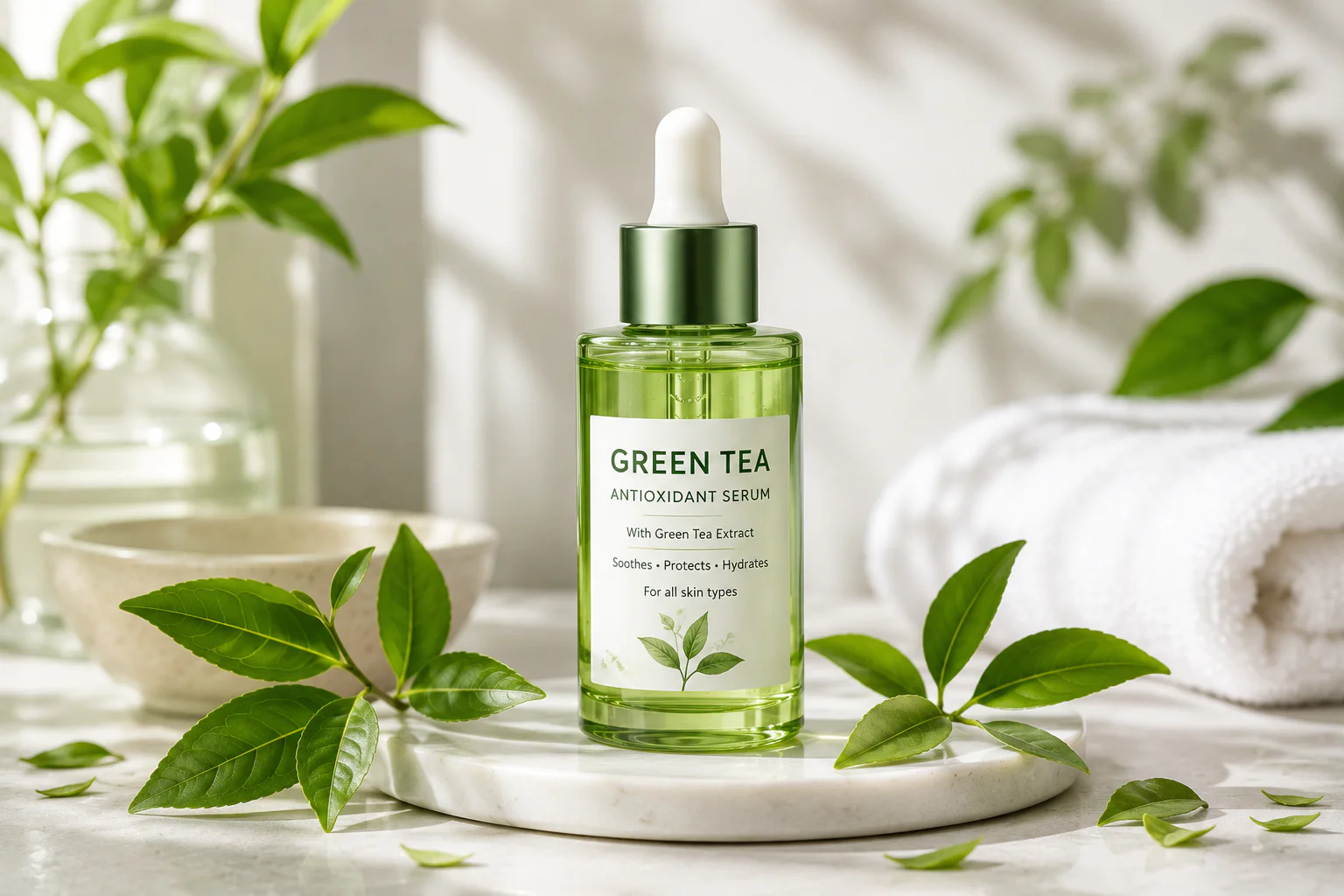
Introduction Stress affects more than just your mood—it can also show up on your skin. From sudden breakouts and redness to dryness, irritation, and a dull complexion, emotional stress often weakens your skin’s natural barrier. The good news is that the right stress-relief skincare? routine can help restore balance and comfort. For more on this, see our guides to whether stress actually causes wrinkles faster, stress management techniques that calm anxiety and how to build the perfect skincare routine for your skin type. In this guide, you’ll learn why stress impacts your skin, which ingredients are most effective for calming irritation, how to build a soothing skincare routine, and simple lifestyle habits that support healthier, happier skin. Why Stress Affects Your Skin When you’re under stress, your body releases hormones such as cortisol. Elevated cortisol levels can increase oil production, weaken the skin barrier, and trigger inflammation. Common signs of stressed skin include: Taking care of your mental well-being is important, but choosing the right stress-relief skincare ingredients can also help your skin recover. The Best Stress-Relief Skincare Ingredients Choosing products with calming, barrier-supporting ingredients is one of the most effective ways to reduce visible signs of stressed skin. 1. Centella Asiatica (Cica) Centella Asiatica, often called Cica, is one of the most popular soothing skincare ingredients. Benefits include: It’s especially helpful for sensitive, acne-prone, or irritated skin. 2. Niacinamide (Vitamin B3) Niacinamide is a multitasking ingredient suitable for nearly every skin type. It helps: Many dermatologists recommend niacinamide because it’s effective yet generally well tolerated. 3. Oat Extract (Colloidal Oatmeal) Colloidal oatmeal has been used for generations to relieve irritated skin. Benefits include: It’s especially beneficial for sensitive or eczema-prone skin. 4. Ceramides Ceramides are naturally found in healthy skin and help maintain a strong protective barrier. They can: If your skin feels tight after cleansing, ceramides are worth adding to your routine. 5. Aloe Vera Aloe vera is widely known for its cooling and soothing properties. It may help: Choose products with minimal added fragrance for the best results. 6. Green Tea Extract Green tea contains antioxidants called polyphenols that help protect skin from environmental damage. Benefits include: 7. Panthenol (Pro-Vitamin B5) Panthenol is excellent for stressed, dehydrated skin. It works by: Many lightweight moisturizers include panthenol because of its calming properties. 8. Hyaluronic Acid Although it’s mainly known as a hydrating ingredient, hyaluronic acid also helps improve skin comfort. Benefits include: Hydrated skin is generally more resilient against everyday stress. Ingredients That May Irritate Stressed Skin When your skin is already irritated, simplifying your routine can make a noticeable difference. Consider limiting products with: That doesn’t mean these ingredients are always bad—they simply may be too much for stressed or sensitive skin during flare-ups. A Simple Stress-Relief Skincare Routine You don’t need a complicated 10-step routine. Consistency is more important than using many products. Morning Evening Keeping your routine simple helps reduce the risk of irritation. Lifestyle Habits That Help Calm Your Skin Healthy skin starts from within. Pair your stress-relief skincare routine with supportive daily habits. Prioritize Sleep Aim for 7–9 hours of quality sleep whenever possible. Stay Hydrated Drinking enough water supports overall skin hydration, although moisturizer is still essential. Eat Antioxidant-Rich Foods Include: These foods provide nutrients that support healthy skin. Practice Stress Management Simple habits can help reduce emotional stress: Managing stress won’t eliminate every skin concern, but it can reduce stress-related flare-ups for many people. Common Mistakes to Avoid Many people accidentally make stressed skin worse. Avoid: Patience is key—most skincare routines need several weeks of consistent use before results become noticeable. How to Choose the Right Products When shopping for calming skincare, look for labels such as: Always patch-test new products before applying them to your entire face, especially if your skin is easily irritated. Frequently Asked Questions Can stress really cause acne? Yes. Stress can increase cortisol levels, which may stimulate oil production and contribute to acne flare-ups in some people. Which ingredient is best for calming red skin? Centella Asiatica, niacinamide, colloidal oatmeal, and ceramides are among the most commonly used ingredients for reducing redness and supporting the skin barrier. How long does stressed skin take to recover? Recovery varies depending on the cause and your routine. Many people notice improvements within several weeks of using gentle, barrier-supporting skincare consistently. Should I stop using exfoliants if my skin feels irritated? If your skin is inflamed or sensitive, reducing or temporarily pausing exfoliating products may help your skin barrier recover. Reintroduce them gradually if appropriate for your skin. Is stress-relief skincare suitable for oily skin? Yes. Many calming ingredients, including niacinamide, Centella Asiatica, and green tea extract, are lightweight and suitable for oily or combination skin. Conclusion Healthy skin isn’t only about expensive products—it’s also about protecting your skin barrier and caring for your overall well-being. By choosing effective stress-relief skincare ingredients like Centella Asiatica, niacinamide, ceramides, oatmeal, panthenol, and hyaluronic acid, you can help reduce irritation, restore hydration, and support a calmer complexion over time. Remember that consistency matters more than perfection. A gentle routine paired with healthy daily habits can make a meaningful difference in how your skin looks and feels. Have you tried any calming skincare ingredients that worked for you? Share your experience in the comments below, and subscribe to GlowCulture.uk for more expert beauty, skincare, health, fashion, and lifestyle guides. What the Experts Say Research links psychological stress with changes in skin, but the picture is still developing. A review in the Journal of Drugs in Dermatology explains that stress raises cortisol and can affect inflammation, barrier function and wound healing, and that lifestyle factors such as sleep, diet and personal care habits can influence how stress shows up on the skin. A small study in Scientific Reports found that skin barrier function was weaker in people under psychological stress, and an exploratory clinical study in the Journal of Cosmetic Dermatology reported more visible texture changes and fine lines in moderately stressed people. These
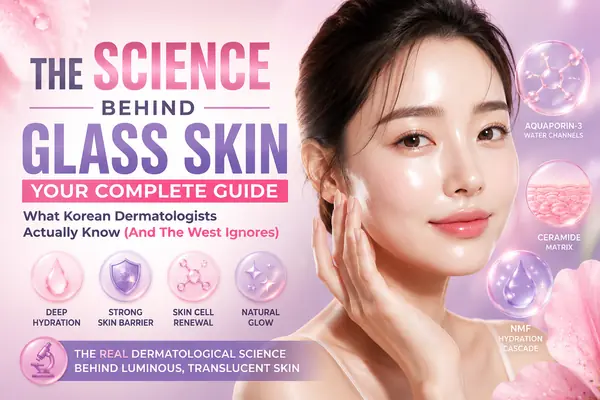
The Science Behind Glass Skin: What Korean Dermatology Actually Shows
Published: June 3, 2026 | Author: Aiman Shahzadi| Read Time: 18 min | Category: Skincare For more on this, see our guides to how to build the perfect skincare routine for your skin type, whether snail mucin lives up to the K-beauty hype and skincare rituals from Korea, Japan and South Asia. What No One Tells You About Glass Skin (And Why Most Guides Get It Wrong) Every beauty editor in the world has written about glass skin. They tell you to use a toner, layer a serum, finish with a moisturizer. They show you before-and-after photos. They list ten products. And yet millions of people follow those guides and never achieve it. That is because they are describing what glass skin looks like, not what glass skin is. Glass skin — in Korean called 유리 피부 (yuri pibu) — is not a trend. It is not a product stack. It is a measurable biological state of the skin in which four specific physiological systems operate simultaneously at optimal capacity. When all four align, the result is a complexion so consistently hydrated, so structurally intact, and so optically even that it appears luminous, semi-translucent, and almost wet to the eye. This guide is the first to explain glass skin the way Korean dermatological researchers actually understand it — through the lens of skin physics, cellular biology, barrier biochemistry, and the optical science of light diffusion. No filler. No product placements. Just the complete science. Part One: The Optical Physics of Glass Skin — Why It Looks Like Glass Before we discuss how to achieve glass skin, we need to understand precisely what makes skin look like glass in the first place. This is a question of physics, not beauty. The Light-Skin Interaction: Four Optical Events When light strikes skin, four things can happen: The glass skin optical signature is this: maximum diffuse reflection + minimal specular hotspots + even absorption distribution + marginally increased transmission. No single product achieves all four. They require four different biological systems to be simultaneously optimized. The Role of Corneocyte Geometry The stratum corneum — the outermost layer of skin — is composed of dead, flattened cells called corneocytes arranged in a brick-and-mortar structure. In well-hydrated, healthy skin, these cells swell slightly with water, becoming more disk-like and tightly stacked. This creates a microscopically smoother surface that scatters light more uniformly. In dehydrated skin, corneocytes shrivel, edges curl upward, and the surface becomes microscopically jagged. Even skin that looks smooth to the naked eye will scatter light chaotically at the microscopic level — creating dullness. This is why glass skin cannot be faked with a dewy highlighter. The optical effect of true glass skin comes from the geometry of the skin cells themselves, not from products sitting on top. Part Two: The Four Biological Systems of Glass Skin Korean dermatologists and cosmetic scientists at institutions like Seoul National University Hospital and Amorepacific Research & Innovation Center frame glass skin as the simultaneous optimization of four systems. Here they are explained in full. System 1: The Aquaporin-3 Hydration Network Aquaporin-3 (AQP3) is a water channel protein embedded in the membranes of keratinocytes in the epidermis. Discovered by Nobel Laureate Peter Agre, aquaporins were initially studied in kidney function. Korean cosmetic dermatologists were among the first in the beauty world to recognize their critical role in skin hydration. AQP3 does two things: Transports water molecules bidirectionally across cell membranes Transports glycerol — a critical humectant produced naturally in the skin — alongside water When AQP3 expression is high, keratinocytes maintain their water content efficiently. Skin is plump, hydrated, and bounces light evenly. When AQP3 is downregulated — by UV exposure, pollution, aging, or the use of harsh surfactants — skin loses its capacity to retain intracellular water regardless of how much topical moisturizer you apply. The critical insight: Most Western skincare focuses on keeping water on the skin surface. Korean dermatology focuses on keeping water inside the cells. These require completely different approaches. What upregulates AQP3: Niacinamide (vitamin B3) at concentrations of 2–5% has been shown in peer-reviewed studies to significantly increase AQP3 expression in human keratinocytes Glycerol (glycerin) — counterintuitively, topical glycerol application improves intracellular glycerol levels via AQP3 transport Centella asiatica (Cica) extract — shown in studies published in the Journal of Investigative Dermatology to enhance AQP3 gene expression Reduction of UV exposure — UVB radiation directly downregulates AQP3 through oxidative stress pathways What suppresses AQP3: Sodium lauryl sulfate (SLS) and other harsh anionic surfactants High-concentration alcohol (>10% ethanol) Chronic UV exposure without sun protection Prolonged stress (elevated cortisol reduces AQP3 expression). For a careful review of what human research can and cannot prove, read whether stress actually causes wrinkles faster. System 2: The Ceramide Matrix — The Mortar Between the Bricks The “mortar” in the stratum corneum brick-and-mortar model is the intercellular lipid matrix, composed primarily of three lipids in a critical ratio: Ceramides: 50% of total lipids Cholesterol: 25% Free fatty acids: 15–20% When this ratio is intact, the lipid matrix forms a highly organized, lamellar (layered) structure that acts as a selective barrier. It prevents transepidermal water loss (TEWL) while allowing small molecules to pass through. This is the skin barrier — and it is the most misunderstood concept in skincare. What most guides miss: Ceramides are not a single molecule. There are at least 12 distinct ceramide subclasses in human skin, each with different chain lengths and functions. The most critical for barrier function are: Ceramide NP (2): The most abundant; critical for maintaining the lamellar structure Ceramide AP (6-II): Vital for the water gradient across the stratum corneum Ceramide EOS (1): Contains linoleic acid; its deficiency is directly linked to both acne and atopic dermatitis Ceramide NS (3): Particularly important for preventing the roughness associated with aging skin The 2026 Ceramide Revelation: Research published in the Journal of Lipid Research (2024) established that ceramide synthesis in the skin is regulated by a serine palmitoyltransferase enzyme complex that is temperature-sensitive. Skin