
TL;DR Looking for sustainable fashion brands that are actually worth adding to your wardrobe in 2026? Here’s the short version: brands like Patagonia, Pangaia, Veja, Girlfriend Collective, Reformation, and People Tree consistently score well on independent trackers like Good On You for labour conditions, materials, and transparency. Below we’ve grouped 25 brands by what you’d actually shop for – basics, denim, outerwear, footwear, occasionwear – with price ranges and what each one does well. No brand is perfect. But these 25 are doing more than slapping a green leaf on a hangtag. For more on this, see our guides to a practical guide to sustainable fashion, how to build a capsule wardrobe and how to dress more expensive on a budget. What Makes a Fashion Brand Actually Sustainable? There’s no single certificate that says “this brand is sustainable.” Instead, look for a combination of: We cross-checked every brand on this list against its Good On You rating and public sustainability reporting where available. The 25 Sustainable Fashion Brands to Know in 2026 Everyday Basics & Loungewear 1. Pangaia – Known for its seaweed-fibre tees and grape-leather sneakers. Materials-first brand, mid-range pricing ($60–$150). 2. Boody – Bamboo basics and underwear, biodegradable and soft. Budget-friendly ($15–$45). 3. Girlfriend Collective – Activewear made from recycled plastic bottles and fishing nets, with a transparent factory page. $$ ($38–$98). 4. MATE the Label – Organic cotton loungewear, dyed with low-impact processes, made in LA. $$ ($30–$90). 5. Kotn – Egyptian cotton basics with direct farmer partnerships Sustainable Fashion Brands and school-building initiatives in Egypt. $$ ($20–$80). Denim & Everyday Wear 6. Reformation – Trend-forward denim and dresses, publishes its water and carbon footprint per item. $$$ ($98–$300). 7. Nudie Jeans – Free repairs for life on every pair of jeans, organic cotton denim. $$ ($120–$220). 8. Lucy & Yak – Colourful organic cotton dungarees and separates, made in fair-wage certified factories. $$ (£40–£90). Outerwear & Outdoor 9. Patagonia – The benchmark for repairable, recycled-material outdoor gear; 1% of sales go to environmental causes. $$$ ($60–$400). 10. Finisterre – Cornwall-based surf and outdoor brand using recycled wool and ocean plastic. $$$ (£50–£350). 11. Houdini Sportswear – Circular design outdoor wear from Sustainable Fashion Brands Sweden, take-back and rental schemes. $$$ ($80–$400). Footwear & Accessories 12. Veja – Sneakers made from wild rubber and organic cotton, famous for refusing to advertise so it can invest in production instead. $$ ($120–$180). 13. Allbirds – Wool and eucalyptus-fibre shoes with a published carbon footprint on every product label. $$ ($95–$150). 14. Elvis & Kresse – Turns decommissioned fire hose and leather offcuts into bags, donating 50% of profits to charity. $$$ (£60–£300). 15. Rothy’s – Shoes and bags made from recycled plastic bottles, machine-washable for longevity. $$ ($100–$200). Luxury & Occasionwear 16. Stella McCartney – Luxury fashion house that has never used leather or fur, pioneering mushroom-based Mylo material. $$$$ ($300+). 17. Faithfull the Brand – Feminine occasionwear using deadstock fabric and LENZING™ ECOVERO viscose. $$$ ($100–$300). 18. Sézane – French label with a “Sézane Forever” take-back and resale programme. $$$ ($90–$300). Accessible Everyday Brands 19. People Tree – Pioneer of Fair Trade fashion since 1991, working with artisan groups in India and Bangladesh. $$ ($30–$100). 20. Thought Clothing – Bamboo and organic cotton essentials with a decades-long ethical track record. $$ (£25–£90). 21. Rapanui – Made-to-order clothing on the Isle of Wight, so almost nothing is produced as waste stock. $ (£20–£60). 22. Nobody’s Child – Affordable, trend-led pieces using recycled and organic fabrics, produced in audited factories. $ (£25–£80). 23. Baukjen – B Corp-certified womenswear with one of the highest sustainability scores in UK fashion. $$$ (£80–£250). 24. Wolf & Badger – A B Corp-certified marketplace platform for independent, small-batch designers. $$–$$$ (varies by designer). 25. BAM Bamboo Clothing – Bamboo activewear and basics, carbon neutral certified. $$ (£20–£70). How to Shop These Brands Without Overspending Sustainable doesn’t have to mean expensive if you shop smart: FAQ What are the most sustainable fashion brands overall? Patagonia, Pangaia, Veja, and People Tree consistently rank “Good” or “Great” on Good On You for their combined labour, environmental, and animal welfare practices. Are sustainable fashion brands more expensive? Often yes, upfront – but the cost-per-wear tends to be lower thanks to better construction, repair programmes, and resale value. Some brands, like Rapanui and Boody, are priced close to high-street basics. Can I trust a brand just because it says “sustainable” on the label? No. Always check an independent source like Good On You or look for verifiable certifications (GOTS, Fairtrade, B Corp) rather than taking marketing copy at face value. How many sustainable brands should be in my wardrobe? There’s no magic number. Even swapping one or two high-turnover categories – like basics or denim – to a certified brand meaningfully cuts your fashion footprint. Related Reading Browse more in Fashion or return to the GlowCulture homepage. Useful Sources
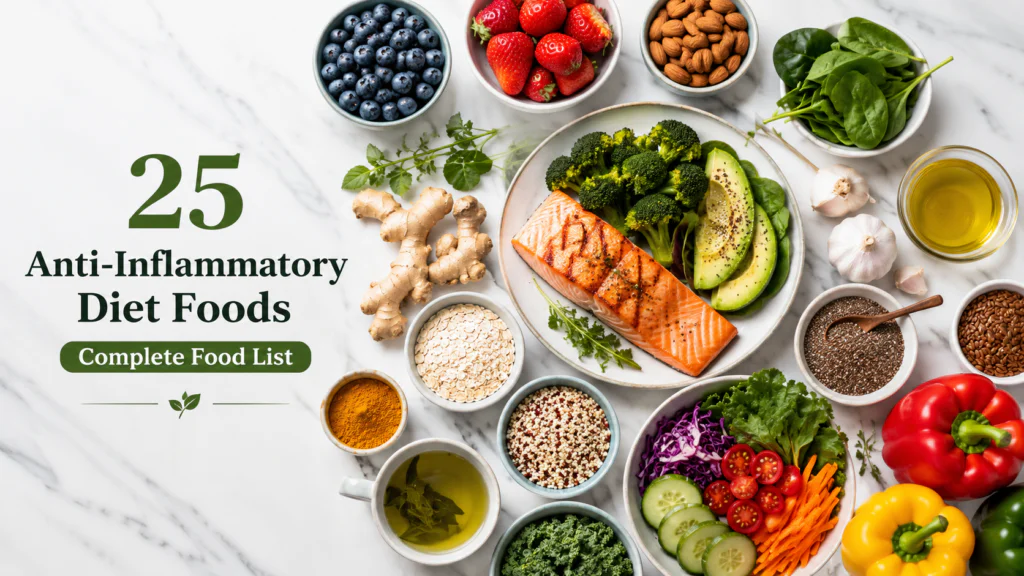
The Complete Anti-Inflammatory Diet Food List
Medically informed content: this reference guide is based on NHS, Mayo Clinic and Harvard Health guidance. It’s informational, not a substitute for advice from your GP or a registered dietitian – full disclaimer below. TL;DR Anti-Inflammatory Diet this is a reference list, not a listicle: every major food category for an anti-inflammatory eating pattern, what to limit, and a sample day so you can see how it fits together. The underlying evidence points to Mediterranean- and DASH-style eating – not one “magic” food – as what actually lowers chronic inflammation markers over time (Harvard Health). For more on this, see our guides to anti-inflammatory foods to add to your diet, whether the fibermaxxing trend is actually healthy and how much protein you actually need. What actually counts as “anti-inflammatory” eating There isn’t a regulated, official definition of an anti-inflammatory diet. What the evidence does support is an eating pattern rich in fruit, vegetables, whole grains, fatty fish, nuts, seeds and olive oil – essentially the Mediterranean diet – which is consistently linked to lower markers of chronic inflammation and reduced risk of heart disease, type 2 diabetes and inflammatory conditions like arthritis (Mayo Clinic Health System). Use the categories below as your working shopping list. Proteins Include Limit Salmon, mackerel, sardines, herring, tuna Processed meats (bacon, sausages, deli meats) Skinless chicken, turkey Fatty cuts of red meat, eaten often Lentils, chickpeas, beans, tofu, tempeh Deep-fried or breaded protein Eggs (in moderation) Fatty fish deserves special mention: two portions a week is the benchmark cited by both Harvard Health and UK dietary guidance, thanks to its omega-3 content. Fruits and vegetables Mayo Clinic’s guidance groups vegetables by colour deliberately – different pigments correspond to different protective plant compounds, so variety matters more than any single “superfood” (Mayo Clinic Health System). Whole grains and legumes The fibre in these foods feeds gut bacteria that produce short-chain fatty acids, compounds with their own anti-inflammatory role in the gut lining. Fats and oils Limit: butter used heavily, shortening, and reused deep-fry oils. Herbs, spices and drinks Dark chocolate (70%+ cocoa) in moderate amounts also fits, thanks to its polyphenol content. Fermented foods (a supporting category) Yoghurt with live cultures, kefir, kimchi and sauerkraut support gut bacteria diversity, which several reviews link to lower systemic inflammation (Cleveland Clinic). Foods to limit or avoid You don’t need to cut these to zero. The evidence is about overall pattern and frequency, not perfection. A sample day, put together How to Start Without Overhauling Your Diet A Simple Weekly Shopping List Budget-Friendly Swaps An anti-inflammatory style of eating does not have to be expensive. Frozen vegetables and berries keep their nutrients and are often cheaper than fresh out-of-season produce. Tinned pulses, oats and lentils are inexpensive sources of fibre and protein, and tinned oily fish is a low-cost source of omega-3 fats. Buying seasonal produce and cooking extra portions for the freezer reduces both cost and waste. Common Mistakes Who Should Take Extra Care Some people need tailored advice before changing their diet. If you take warfarin, the amount of vitamin K in leafy greens matters, so keep your intake consistent and talk to your doctor or anticoagulation clinic first. If you are pregnant or trying to conceive, follow NHS guidance on oily fish and on foods to avoid. People with kidney disease, diabetes, allergies or other conditions should get advice from a GP or registered dietitian. For a longer list of foods to work into your routine, read our guide to 30 anti-inflammatory foods. FAQ Is this the same as the Mediterranean diet? Very close. Most anti-inflammatory diet guidance is essentially Mediterranean/DASH eating rebranded, because that’s where the research evidence sits. Do I need to avoid gluten or dairy for this to work? No, not unless you have a diagnosed intolerance or coeliac disease. There’s no general evidence that avoiding gluten or dairy reduces inflammation in people without a specific condition. How long before I see changes in inflammation markers? Some studies show measurable changes in blood markers within weeks of sustained dietary change, but this varies by individual and isn’t the same as symptom relief. Can this food list replace medication for arthritis or another inflammatory condition? No. It can be a helpful complement to treatment, but any change to managing a diagnosed condition should go through your doctor or specialist first. Related Reading Browse more in Health or return to the GlowCulture homepage. Useful sources This food list is for general information and doesn’t replace personalised medical or dietetic advice. If you have a health condition, allergies, or take medication, speak to your GP or a registered dietitian before making significant dietary changes.

9 Stress Management Techniques That Calm Anxiety
Medically informed content: based on NHS and Mind guidance for anxiety and stress. This is general information, not a diagnosis or treatment plan – see the disclaimer below, and if anxiety is affecting your daily life, speak to your GP. TL;DR The stress management techniques with the most consistent backing – from the NHS and clinical anxiety research – are the ones that either calm your body’s physical stress response (breathing, movement, sleep) or change how you relate to worry (mindfulness, worry time, CBT-style techniques). Below are 9 techniques worth trying, what each one actually does, and when self-help isn’t enough. For more on this, see our guides to a 5-minute beginner meditation practice, skincare ingredients that calm stressed skin and whether stress actually causes wrinkles faster. Why these specific techniques work Anxiety has a physical engine: your sympathetic nervous system releases adrenaline and cortisol, speeding your heart rate and breathing. Most effective stress techniques work by directly interrupting that physical loop, rather than just “thinking positive” (NHS – Stress). 1. Slow, controlled breathing Breathe in for a count of 4, out for a count of 6–8. The longer exhale specifically activates your parasympathetic (“rest and digest”) system. NHS guidance recommends slowing your breathing to around 8–12 breaths per minute and relaxing your shoulders as you do it (NHS – Every Mind Matters). 2. Grounding techniques When anxiety spikes, grounding pulls your attention back to the present physical moment. Try the classic 5-4-3-2-1 method: name 5 things you see, 4 you can touch, 3 you hear, 2 you smell, 1 you taste. Holding an ice cube or splashing cold water on your face are also NHS-cited grounding techniques. 3. Progressive muscle relaxation Tense each muscle group for a few seconds, then release, working from your feet up to your face. This teaches your body the felt difference between tension and relaxation, which is useful when anxiety shows up as physical tightness. 4. Mindfulness and meditation Mindfulness means deliberately paying attention to the present moment without judging it. NHS Talking Therapies in England offer mindfulness-based cognitive therapy (MBCT) specifically for recurring anxiety and low mood, and it’s available via self-referral, no GP required (NHS England – Talking Therapies). 5. Scheduled “worry time” Instead of trying to suppress worry all day, set a specific 10–15 minute window to sit with it – write worries down, then close the notebook when time’s up. NHS self-help guidance recommends this as a way to stop worry bleeding into the rest of your day. 6. Regular physical activity Exercise burns off circulating stress hormones and reliably improves mood in research trials. It doesn’t need to be intense – a brisk 20–30 minute walk most days is enough to make a measurable difference for many people. 7. Protecting your sleep Poor sleep and anxiety feed each other in both directions. Prioritising a consistent sleep schedule is one of the most underrated stress management techniques – see our full guide on improving your sleep quality for the specifics. 8. Cutting back on caffeine, alcohol and nicotine All three can worsen anxiety symptoms directly – caffeine by mimicking the physical symptoms of anxiety, alcohol by disrupting sleep and mood the next day. NHS guidance specifically flags these as things to reduce, not lean on, when managing stress (NHS – Tips to reduce stress). 9. Talking to someone – and knowing when to get professional support Sharing what’s going on with a friend, family member, or a health professional consistently helps, and it’s the gateway to further support if you need it. In England, you can self-refer to NHS Talking Therapies for CBT and guided self-help without seeing your GP first (NHS England). The Samaritans (116 123) are also available any time, for anything that’s weighing on you. When self-help techniques aren’t enough Try these techniques consistently for a few weeks before judging whether they’re working – they’re skills, not switches. But contact your GP or NHS 111 if: Building a Simple Daily Stress Routine Signs That Stress Is Affecting You Stress can show up physically and emotionally. Common signs include tension headaches, tight shoulders, difficulty sleeping, irritability, trouble concentrating and changes in appetite. Noticing these early can help you act before stress builds up. Managing Stress at Work Where to Go Next If you would like a guided place to start, try our beginner meditation practice, and read how stress can affect your skin in our guide to whether stress causes wrinkles. FAQ Which technique works fastest for a panic moment? Slow breathing and grounding techniques tend to work within minutes because they act directly on your physical stress response. Do I need to do all 9 techniques? No. Pick 2–3 that fit your life and practise them consistently – that beats trying everything once and giving up. Can stress management techniques replace therapy or medication? For mild, everyday stress, often yes. For diagnosed anxiety disorders, self-help techniques work best alongside professional treatment, not instead of it. How do I access NHS Talking Therapies? In England, you can self-refer online through the NHS Talking Therapies service without a GP referral. Related Reading Browse more in Health or return to the GlowCulture homepage. Useful sources This article is for general information and isn’t a diagnosis or treatment plan. If anxiety is affecting your daily life, or you’re having thoughts of self-harm, contact your GP, NHS 111, or the Samaritans on 116 123.
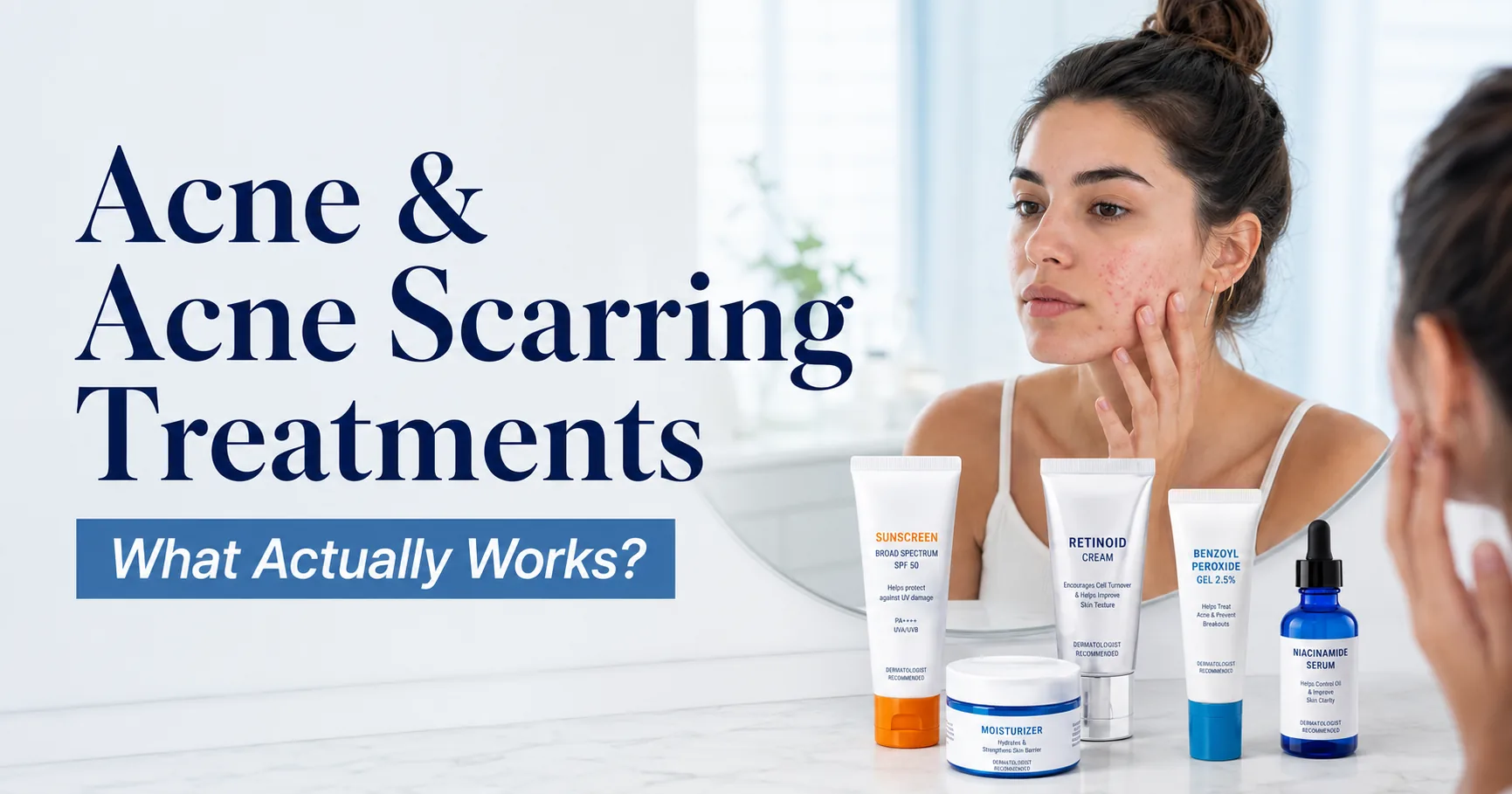
Acne and Acne Scarring Treatment: What Actually Works, By Scar Type
A clear, evidence-based breakdown of acne and acne scarring treatment options by scar type, including UK costs, timelines, and when at-home care isn’t enough.
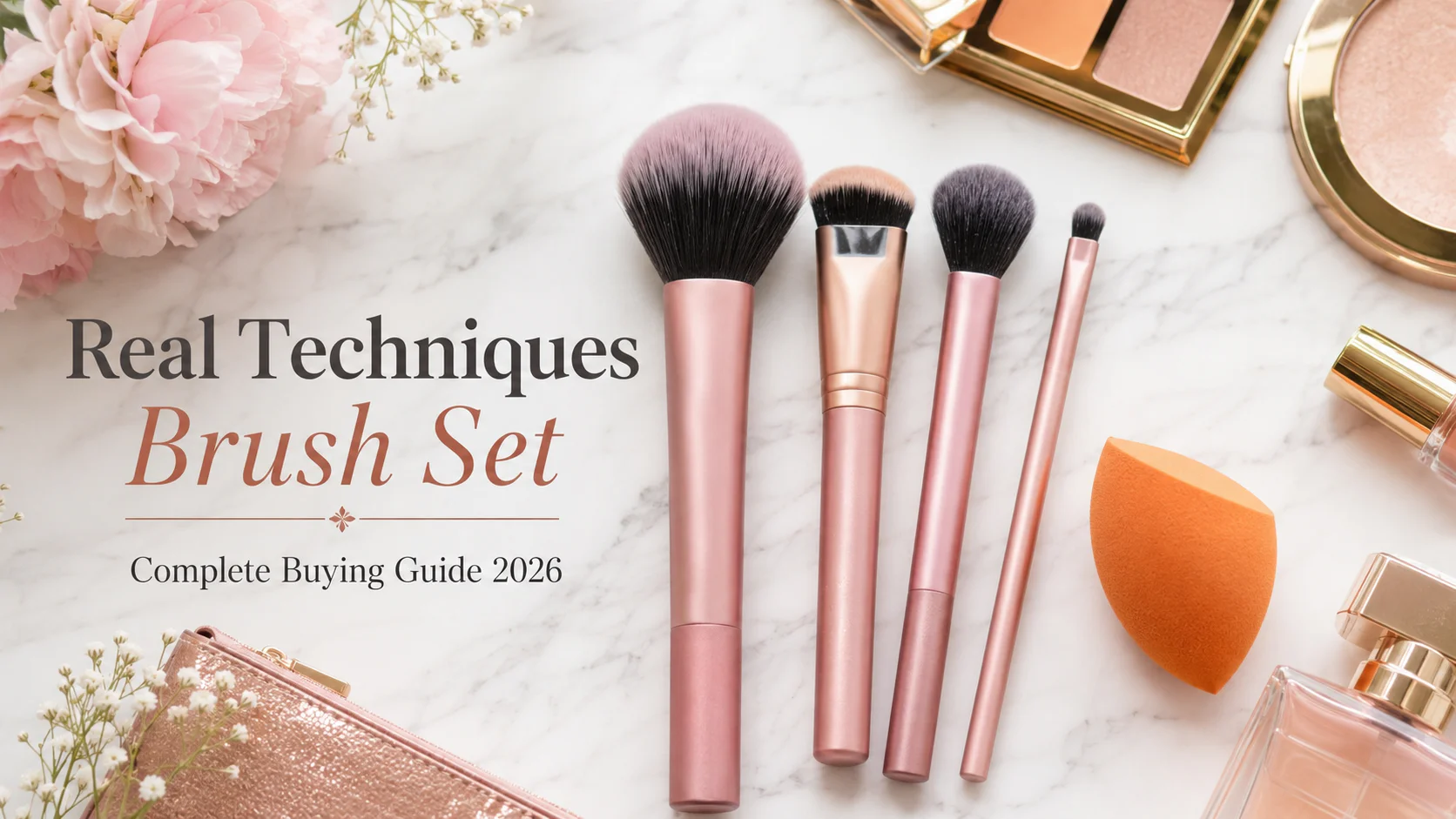
Real Techniques Makeup Brush Sets: A No-Nonsense Buying Guide
A no-hype breakdown of Real Techniques makeup brush sets: which brush does what, Core Collection vs Everyday Essentials vs Sam’s Picks, budget vs premium dupes, and proper brush care.

How to Build a Capsule Wardrobe (Women’s Complete Guide)
A no-hype guide to building a women’s capsule wardrobe: core pieces by season, realistic budgets, sustainable sourcing, and a lifestyle-based checklist.

Beauty Standards Around the World: How Ideals Differ by Culture
Beauty standards around the world vary far more than any single “ideal” suggests. A respectful, sourced comparison across five cultures, plus how these standards evolved and connect to body positivity.
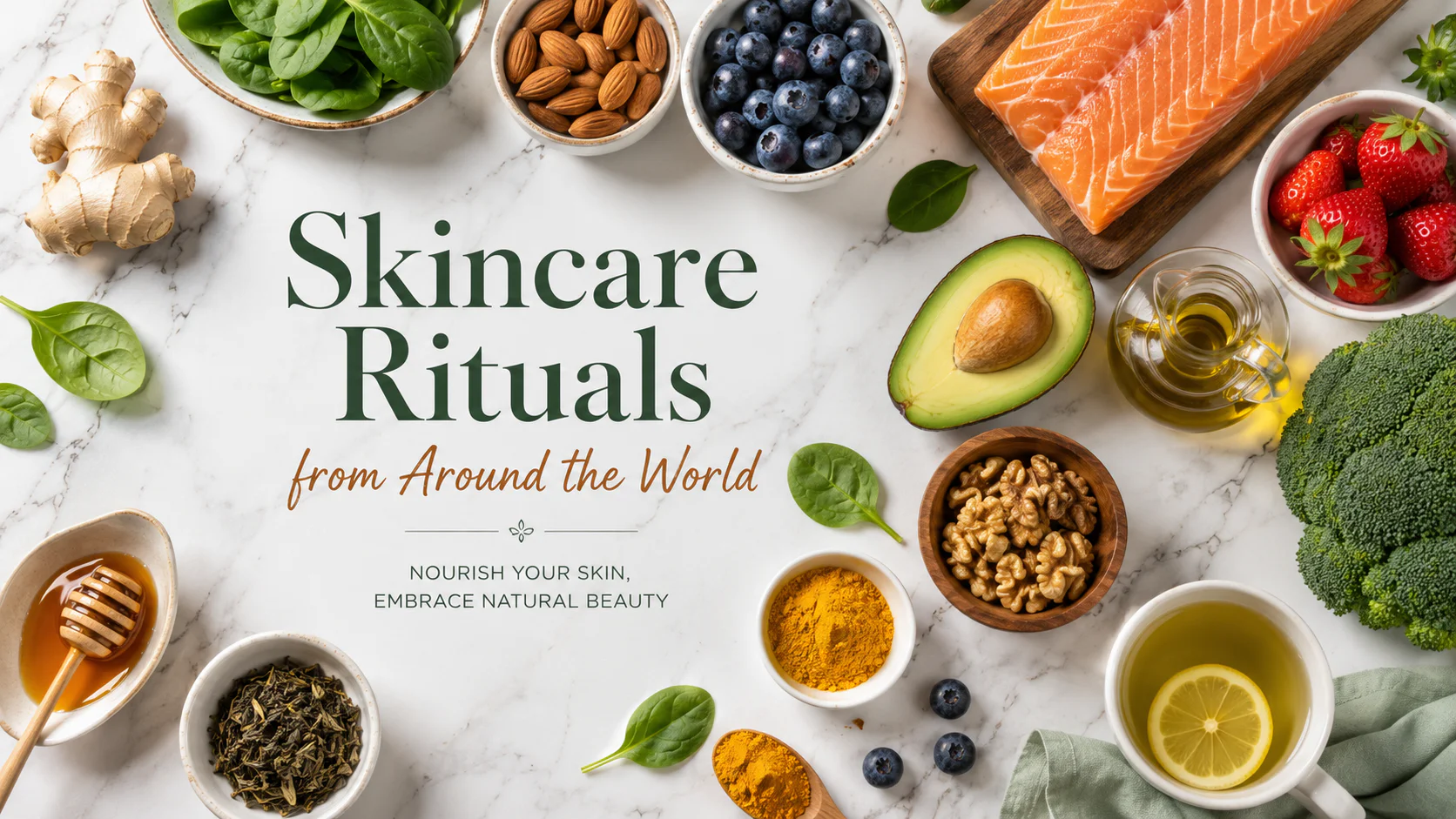
Skincare Rituals from Around the World: Korean, Japanese & South Asian Beauty Secrets
Introduction Skincare rituals from around the world have become increasingly popular because they focus on long-term skin health instead of quick fixes. Each culture offers unique techniques and ingredients that can be adapted to modern skincare routines. From the famous Korean multi-step skincare routine to Japanese minimalist beauty rituals and South Asian herbal remedies, these traditions offer practical ways to achieve healthy, radiant skin. In this guide, you’ll discover the unique skincare philosophies behind each culture, the ingredients they rely on, and how you can incorporate these timeless practices into your own routine. For more on this, see our guides to how to build the perfect skincare routine for your skin type, whether snail mucin lives up to the K-beauty hype and the science behind glass skin. Why Skincare Rituals from Around the World Are So Popular People around the world are moving away from harsh skincare products and embracing routines that prioritize skin health over quick fixes. Many traditional skincare rituals focus on: Instead of chasing perfect skin overnight, these beauty traditions encourage caring for your skin every day. Korean Skincare Rituals for Glass Skin Korean beauty is one of the most recognized skincare rituals from around the world, emphasizing hydration, prevention, and gentle daily care. Double Cleansing Double cleansing begins with an oil cleanser to dissolve sunscreen, makeup, and excess oil. It is followed by a gentle water-based cleanser that removes remaining impurities without stripping the skin. This method helps keep pores clear while maintaining the skin’s natural moisture barrier. Layering Hydration One of the defining features of Korean skincare is layering lightweight hydrating products instead of relying on a single heavy moisturizer. Popular products include: This layered approach helps create the famous “glass skin” appearance. Popular Korean Ingredients Many Korean skincare products feature ingredients known for soothing and hydrating the skin. These include: Each ingredient targets different skin concerns while supporting the skin barrier. Daily Sun Protection Korean skincare strongly emphasizes sunscreen every day, even during cloudy weather. Broad-spectrum SPF helps prevent: Daily sun protection is considered one of the most effective anti-aging habits. Japanese Skincare Rituals for Timeless Beauty Japanese beauty traditions continue to influence skincare rituals from around the world through their minimalist approach and high-quality natural ingredients. Instead of using many active ingredients at once, Japanese beauty routines often focus on gentle cleansing, hydration, and protecting healthy skin. Gentle Cleansing Japanese cleansers are usually designed to remove impurities without disrupting the skin’s protective barrier. Foaming cleansers with mild formulations are especially popular. Rice Water Beauty Ritual Rice water has been used in Japan for centuries as part of traditional beauty routines. It may help: Many modern Japanese skincare products now include rice extract. Camellia Oil Camellia oil is a traditional Japanese beauty ingredient rich in fatty acids and antioxidants. Benefits include: Green Tea Skincare Japan is famous for its high-quality green tea. Green tea contains antioxidants called catechins that help protect the skin from environmental stress while calming irritation. South Asian Skincare Rituals Rooted in Nature South Asian herbal remedies remain an important part of skincare rituals from around the world, combining centuries-old traditions with natural ingredients. Many of these remedies remain popular today alongside modern skincare. Turmeric Face Masks Turmeric has long been used in traditional beauty rituals because of its bright yellow pigment and antioxidant properties. It is commonly combined with: Turmeric masks are especially popular before weddings and celebrations. Sandalwood Paste Sandalwood has a cooling effect on the skin and has traditionally been used to soothe irritation and improve skin comfort. It is often mixed with rose water for a refreshing face pack. Rose Water Toning Rose water remains one of the most widely used skincare products across South Asia. It helps: Natural Oils for Massage Facial massage using natural oils has long been part of South Asian self-care traditions. Popular oils include: Gentle massage may help improve circulation while creating a relaxing skincare ritual. Similarities Between Korean, Japanese, and South Asian Beauty Rituals Although these traditions come from different cultures, they share several important principles. All emphasize: These shared philosophies explain why they continue to influence modern skincare worldwide. How to Build Your Own Global Skincare Routine You don’t need a 10-step routine to enjoy the benefits of international skincare traditions. A balanced routine might include: Morning Evening Once or twice weekly: Choose products based on your skin type rather than following every trend. Common Mistakes to Avoid Avoid these skincare habits: Traditional ingredients can still cause irritation for some people, so always patch test first. Frequently Asked Questions Which country’s skincare routine is the best? There isn’t one routine that’s best for everyone. Korean, Japanese, and South Asian skincare each offer valuable practices that can be adapted to different skin types. Is Korean skincare suitable for sensitive skin? Many Korean products are formulated to support hydration and the skin barrier, but it’s still important to choose products appropriate for your skin type. Can I combine Korean and Japanese skincare? Yes. Many people successfully combine gentle Japanese cleansers with Korean hydrating products and sunscreen. Are traditional South Asian remedies safe? Some traditional ingredients may be beneficial, but they should be used carefully and patch tested first. Avoid ingredients that are abrasive or could irritate your skin. Do I need a 10-step skincare routine? No. A simple routine that includes cleansing, moisturizing, and sun protection can be effective. Additional products should be chosen based on your individual skin concerns. Conclusion The best skincare rituals from around the world share one common philosophy: consistency, hydration, sun protection, and healthy lifestyle habits. Instead of following every trend, focus on habits that strengthen your skin barrier and support long-term skin health. Which global skincare ritual would you love to try first? Share your thoughts in the comments below, and subscribe to GlowCulture.uk for more expert beauty, skincare, health, fashion, and culture content. What the Experts Say Skincare traditions from different cultures often share the same foundations: gentle cleansing, hydration and sun protection. The
Does Stress Actually Cause Wrinkles Faster? What the Research Shows
Medically informed content: This article is based on peer-reviewed dermatology research and public-health guidance. It is for general education and is not a diagnosis or personalised treatment plan. Chronic psychological stress may contribute to conditions that make skin age less well, but scientists have not proved that stress directly makes facial wrinkles form faster in humans. For more on this, see our guides to stress management techniques that calm anxiety and how to build the perfect skincare routine for your skin type. The evidence is strongest for stress-related changes in skin-barrier recovery, inflammation, oxidative balance and cellular repair. A recent exploratory study also found measurable differences in skin appearance and function between people reporting mild and moderate chronic stress. However, long-term human studies that track stress exposure and newly formed wrinkles are still limited. The most accurate conclusion is that stress is a plausible contributing factor, not a proven primary cause comparable with cumulative ultraviolet exposure, smoking, genetics and chronological ageing. If stress is already causing dryness, redness or sensitivity, our stress-relief skincare guide explains which barrier-supporting ingredients may help. The evidence-based answer “Stress affects skin biology” is supported by research. “Every stressful month permanently adds wrinkles” is not. What the Evidence Shows at a Glance Research question Best current answer Confidence Does stress affect human skin function? Yes. Human studies show effects on barrier recovery and other physiological measures. Moderate Can stress hormones alter skin cells? Laboratory research reports changes in repair, oxidative stress and extracellular-matrix activity. Moderate Do stressed people show ageing-related skin changes? Some exploratory and observational findings suggest an association. Low–moderate Is faster wrinkle formation proven? No. Direct longitudinal human evidence remains insufficient. Clear limitation Why the Answer Is Not a Simple Yes Wrinkles develop through several overlapping processes. With age, skin becomes thinner, drier and less elastic, while deeper tissues lose collagen and fat. Ultraviolet radiation damages collagen and elastin, smoking and pollution contribute to extrinsic ageing, and repeated facial movement can make expression lines more persistent. Genetics also influences when and where wrinkles appear (Mayo Clinic). Stress is harder to isolate. People experiencing chronic stress may also sleep poorly, smoke or drink more, eat differently, get less physical activity, or spend less time caring for their skin. Age, sun exposure, pollution and socioeconomic conditions can therefore blur the apparent relationship between stress and wrinkles. A systematic review of skin-ageing risk factors mentioned stress as an exposure worth studying, but did not place it on the same evidentiary footing as better-characterised risk factors. The review noted that stress had mainly been discussed through mechanistic and perceived-age research rather than strong longitudinal wrinkle data (Scientific Reports). What the Most Relevant Recent Study Found A 2025 exploratory study compared people with mild versus moderate chronic psychological stress. The researchers also exposed human skin cells to the stress hormones cortisol and epinephrine in laboratory experiments. The moderately stressed group showed lower skin antioxidant potential and changes in skin-barrier and appearance-related measures. In the cell experiments, higher stress-hormone exposure affected DNA integrity, extracellular-matrix synthesis, wound repair and proteins involved in barrier function. These findings support a biologically credible connection between chronic stress and processes relevant to skin ageing (Pujos and colleagues). Why this study does not settle the wrinkle question The careful interpretation is that chronic moderate stress was associated with measurable changes relevant to skin ageing. The study does not establish a predictable rate of extra wrinkle formation. Five Ways Stress Could Influence Skin Ageing 1. Stress hormones alter skin regulation Psychological stress activates the hypothalamic-pituitary-adrenal axis and sympathetic nervous system. This raises mediators such as cortisol and adrenaline. A scientific review described plausible pathways involving immune dysfunction, reactive oxygen species and DNA damage, while also stating that conclusive evidence directly linking stress with skin ageing was lacking (Dunn and Koo). 2. Stress can impair barrier recovery In a human experiment, psychological interview stress delayed recovery after the skin barrier had been disrupted and was accompanied by hormonal and inflammatory changes (Altemus and colleagues). Dryness can make existing fine lines look more obvious, but temporary dryness is not the same as a permanent structural wrinkle. Learn more about barrier hydration in our science-backed glass skin guide. 3. Inflammation and oxidative stress may affect repair Persistent inflammatory and oxidative signalling may damage cellular components or interfere with normal repair. Laboratory findings make this pathway plausible, but they cannot tell us how much psychological stress matters compared with decades of UV exposure. 4. Stress changes sleep and behaviour Stress may change sleep, diet, substance use and daily routines. These indirect routes can matter in everyday life. A stressed person who sleeps poorly, resumes smoking and stops using sun protection is exposed to several independent influences on skin appearance. 5. Facial tension may reinforce expression lines Frowning and squinting create dynamic lines. As skin loses elasticity, some grooves remain visible at rest. Stress may increase brow furrowing or jaw tension in some people, but research has not quantified how much stress-specific movement changes long-term wrinkle depth. Acute Stress Is Not the Same as Chronic Stress A difficult week is unlikely to create permanent wrinkles suddenly. Acute stress is a short-term response. Chronic stress persists or repeatedly returns over weeks, months or longer. Short-term stress may temporarily disturb sleep, hydration, facial tension or inflammation, making the face look tired, dull or more lined. Those changes may improve as sleep and normal routines return. Research concerns mainly involve persistent stress and repeated physiological activation, not one deadline or argument. Can Reducing Stress Prevent Wrinkles? No strong clinical trial has shown that meditation, breathing exercises, therapy or another stress-reduction programme prevents or reverses facial wrinkles. Stress management should not be marketed as an anti-wrinkle treatment. Managing stress is still a sensible health decision. It may support sleep, reduce harmful coping behaviours and create better conditions for normal skin function. Helpful options include: A varied diet can support general health, but no food erases wrinkles or “flushes cortisol.” For a realistic evidence-led approach, see
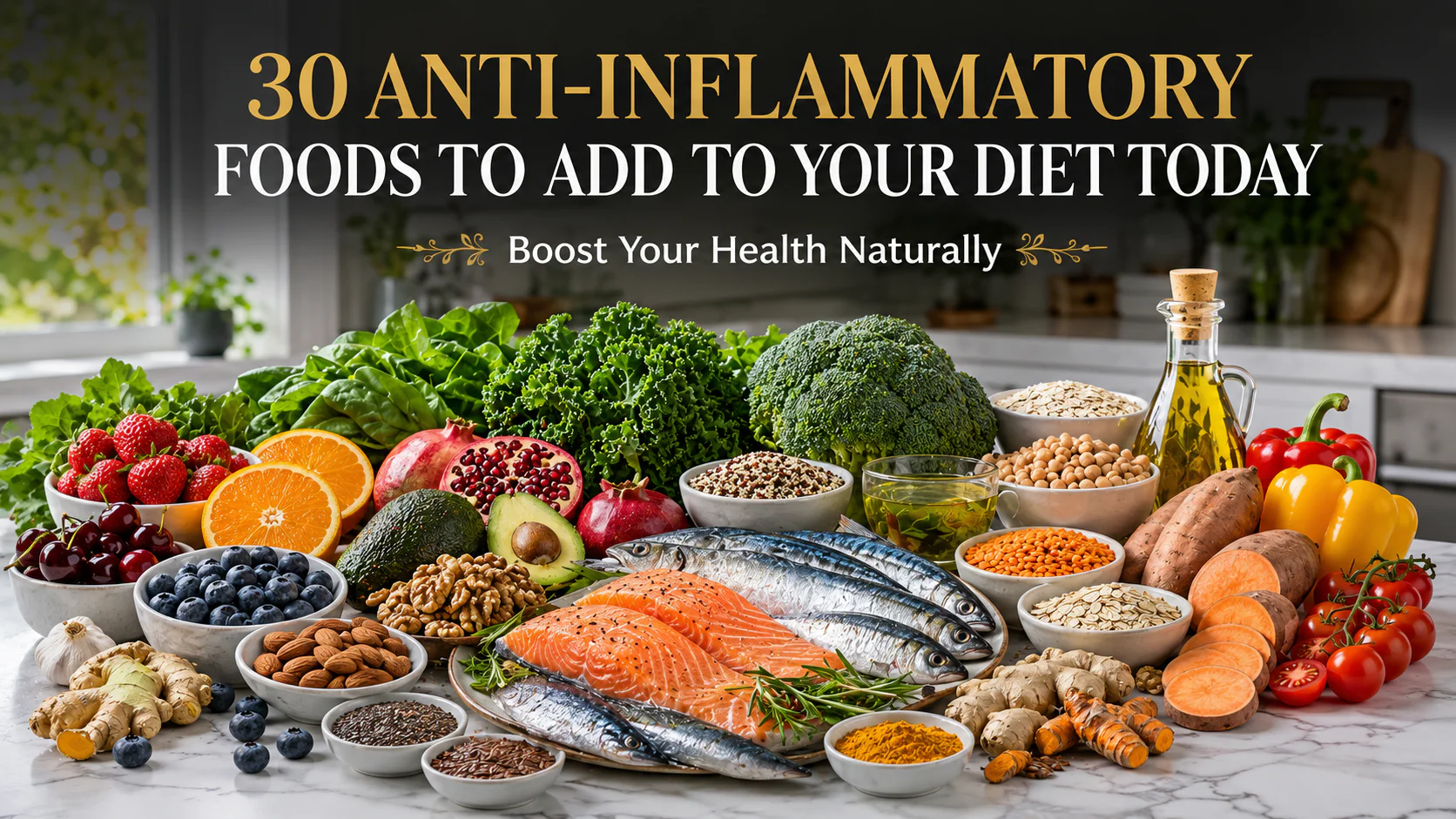
30 Anti-Inflammatory Foods to Add to Your Diet Today
Medically informed content: this guide draws on NHS, Harvard Health, Mayo Clinic and peer-reviewed nutrition research. It’s for general information only and isn’t a substitute for advice from your GP or a registered dietitian – see the disclaimer at the end. Anti-Inflammatory Foods can play an important role in supporting your overall health and reducing chronic inflammation. While no single food is a cure, research shows that regularly eating anti-inflammatory foods such as berries, leafy greens, oily fish, nuts, seeds, and olive oil may help lower inflammation linked to heart disease, arthritis, and type 2 diabetes. In this guide, you’ll discover 30 of the best anti-inflammatory foods to add to your diet today, along with practical tips backed by trusted health research. For more on this, see our guides to the complete anti-inflammatory diet food list, how much protein you actually need and whether the fibermaxxing trend is actually healthy. TL;DR There’s no single official “anti-inflammatory diet,” but decades of research point to the same pattern: more plants, oily fish, whole grains, nuts, seeds and olive oil – less processed meat, sugar and refined carbs. This is essentially the Mediterranean diet, and it’s the eating style with the strongest evidence for lowering chronic, low-grade inflammation linked to heart disease, arthritis and type 2 diabetes. Below are 30 specific foods worth adding to your trolley this week, grouped by category, plus what actually happens in your body when you eat them. Why food-driven inflammation matters Including more anti-inflammatory foods in your weekly meal plan is one of the easiest ways to support long-term health. Short-term (acute) inflammation is your body doing its job – it’s how you heal a cut or fight off a cold. The problem is chronic, low-grade inflammation, the kind that simmers quietly for years and is linked to heart disease, type 2 diabetes, arthritis and some cancers. Diet doesn’t cause or cure this on its own, but what you eat every day nudges your inflammatory markers up or down. Harvard Health notes that a diet high in refined carbs, fried food, sugary drinks, red and processed meat is consistently linked to higher inflammation markers, while a Mediterranean-style pattern is linked to lower ones (Harvard Health). Best Anti-Inflammatory Foods: Fruits (1–6) Best Anti-Inflammatory Foods: Vegetables (7–13) These anti-inflammatory foods are packed with antioxidants, fibre, vitamins, and minerals that help protect your body from chronic inflammation. Anti-Inflammatory Foods Rich in Omega-3 (14–17) Aim for two portions of oily fish a week, in line with UK dietary guidance and Harvard’s recommendation of at least two weekly servings (Harvard Health). Nuts, Seeds and Legumes: Anti-Inflammatory Foods (18–23) Oily fish are among the most effective anti-inflammatory foods because of their high omega-3 fatty acid content. Whole grains (24–25) Herbs, spices and drinks (26–30) Foods that tend to work against you The flip side matters just as much. Diets high in processed meat, sugary drinks, refined white bread and pasta, fried food, and ultra-processed snacks are consistently linked to higher inflammatory markers in population studies (NHS Wales). You don’t need to eliminate them entirely – cutting back is what the evidence actually supports. How to start this week, realistically Small, repeated swaps beat a total overnight overhaul – and they’re far easier to sustain. FAQ Is there one “anti-inflammatory diet” doctors agree on? Not a single named diet, but the Mediterranean and DASH eating patterns have the strongest evidence base and are what NHS-aligned resources and Harvard Health point to. Can food alone cure chronic inflammation or arthritis? No. Diet is one factor among sleep, stress, activity and genetics. It can help manage inflammation but isn’t a replacement for medical treatment where one is needed. How fast will I notice a difference? Inflammatory markers can shift within weeks of a sustained dietary change in research studies, but how you feel varies a lot person to person. Do I need supplements like turmeric capsules? Most evidence for curcumin’s effects comes from concentrated extracts, not the spice in food. Talk to your GP before starting any supplement, especially if you take other medication. Making anti-inflammatory foods a regular part of your diet doesn’t require a complete lifestyle overhaul. Small daily changes can make a meaningful difference over time. Conclusion Anti-inflammatory foods are not a magic cure, but they are one of the most evidence-backed ways to support your heart, joints, immune system, and overall health. By choosing more fruits, vegetables, whole grains, legumes, oily fish, nuts, seeds, and olive oil, you can gradually reduce chronic inflammation while enjoying delicious, nutritious meals. Related Reading Browse more in Health or return to the GlowCulture homepage. Useful sources This article is for general information and doesn’t replace personalised medical or dietetic advice. If you have a health condition or take medication, speak to your GP or a registered dietitian before making major dietary changes.