


Introduction
Stress affects more than just your mood—it can also show up on your skin. From sudden breakouts and redness to dryness, irritation, and a dull complexion, emotional stress often weakens your skin’s natural barrier. The good news is that the right stress-relief skincare? routine can help restore balance and comfort.
For more on this, see our guides to whether stress actually causes wrinkles faster, stress management techniques that calm anxiety and how to build the perfect skincare routine for your skin type.
In this guide, you’ll learn why stress impacts your skin, which ingredients are most effective for calming irritation, how to build a soothing skincare routine, and simple lifestyle habits that support healthier, happier skin.
Why Stress Affects Your Skin
When you’re under stress, your body releases hormones such as cortisol. Elevated cortisol levels can increase oil production, weaken the skin barrier, and trigger inflammation.
Common signs of stressed skin include:
- Increased redness
- Acne flare-ups
- Dry, flaky patches
- Itching and sensitivity
- Dull complexion
- Slow healing after blemishes
Taking care of your mental well-being is important, but choosing the right stress-relief skincare ingredients can also help your skin recover.
The Best Stress-Relief Skincare Ingredients
Choosing products with calming, barrier-supporting ingredients is one of the most effective ways to reduce visible signs of stressed skin.
1. Centella Asiatica (Cica)
Centella Asiatica, often called Cica, is one of the most popular soothing skincare ingredients.
Benefits include:
- Reduces redness
- Supports skin repair
- Helps strengthen the skin barrier
- Provides lightweight hydration
It’s especially helpful for sensitive, acne-prone, or irritated skin.

2. Niacinamide (Vitamin B3)
Niacinamide is a multitasking ingredient suitable for nearly every skin type.
It helps:
- Calm inflammation
- Control excess oil
- Reduce redness
- Strengthen the moisture barrier
- Improve uneven skin tone
Many dermatologists recommend niacinamide because it’s effective yet generally well tolerated.
3. Oat Extract (Colloidal Oatmeal)
Colloidal oatmeal has been used for generations to relieve irritated skin.
Benefits include:
- Soothes itching
- Reduces dryness
- Helps lock in moisture
- Supports barrier repair
It’s especially beneficial for sensitive or eczema-prone skin.

4. Ceramides
Ceramides are naturally found in healthy skin and help maintain a strong protective barrier.
They can:
- Prevent moisture loss
- Improve hydration
- Reduce irritation
- Protect against environmental stress
If your skin feels tight after cleansing, ceramides are worth adding to your routine.
5. Aloe Vera
Aloe vera is widely known for its cooling and soothing properties.
It may help:
- Calm redness
- Hydrate the skin
- Reduce discomfort after sun exposure
- Support healing
Choose products with minimal added fragrance for the best results.
6. Green Tea Extract
Green tea contains antioxidants called polyphenols that help protect skin from environmental damage.
Benefits include:
- Reduces inflammation
- Helps calm acne-prone skin
- Protects against free radicals
- Supports healthier-looking skin

7. Panthenol (Pro-Vitamin B5)
Panthenol is excellent for stressed, dehydrated skin.
It works by:
- Boosting hydration
- Supporting skin repair
- Softening rough texture
- Reducing irritation
Many lightweight moisturizers include panthenol because of its calming properties.
8. Hyaluronic Acid
Although it’s mainly known as a hydrating ingredient, hyaluronic acid also helps improve skin comfort.
Benefits include:
- Deep hydration
- Plumper appearance
- Reduced tightness
- Improved skin barrier function
Hydrated skin is generally more resilient against everyday stress.
Ingredients That May Irritate Stressed Skin
When your skin is already irritated, simplifying your routine can make a noticeable difference.
Consider limiting products with:
- High concentrations of alcohol
- Strong artificial fragrances
- Harsh physical scrubs
- Very high percentages of exfoliating acids
- Overuse of retinoids without proper hydration
That doesn’t mean these ingredients are always bad—they simply may be too much for stressed or sensitive skin during flare-ups.
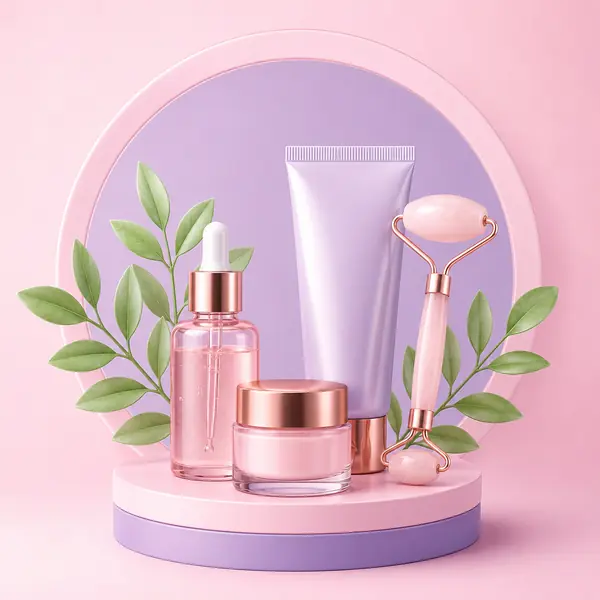
A Simple Stress-Relief Skincare Routine
You don’t need a complicated 10-step routine. Consistency is more important than using many products.
Morning
- Gentle cleanser
- Niacinamide or Centella serum
- Ceramide moisturizer
- Broad-spectrum sunscreen (SPF 30 or higher)
Evening
- Gentle cleanser
- Hydrating serum (Hyaluronic Acid or Panthenol)
- Rich moisturizer with Ceramides
- Optional calming overnight mask once or twice weekly
Keeping your routine simple helps reduce the risk of irritation.
Lifestyle Habits That Help Calm Your Skin
Healthy skin starts from within. Pair your stress-relief skincare routine with supportive daily habits.
Prioritize Sleep
Aim for 7–9 hours of quality sleep whenever possible.
Stay Hydrated
Drinking enough water supports overall skin hydration, although moisturizer is still essential.
Eat Antioxidant-Rich Foods
Include:
- Berries
- Leafy greens
- Nuts
- Fatty fish
- Citrus fruits
These foods provide nutrients that support healthy skin.
Practice Stress Management
Simple habits can help reduce emotional stress:
- Deep breathing
- Walking outdoors
- Meditation
- Gentle yoga
- Journaling
Managing stress won’t eliminate every skin concern, but it can reduce stress-related flare-ups for many people.
Common Mistakes to Avoid
Many people accidentally make stressed skin worse.
Avoid:
- Over-cleansing
- Using too many active ingredients at once
- Skipping moisturizer
- Picking at blemishes
- Frequently changing products before giving them time to work
Patience is key—most skincare routines need several weeks of consistent use before results become noticeable.
How to Choose the Right Products
When shopping for calming skincare, look for labels such as:
- Fragrance-free
- Non-comedogenic
- Dermatologist-tested
- Suitable for sensitive skin
- Barrier repair
Always patch-test new products before applying them to your entire face, especially if your skin is easily irritated.
Frequently Asked Questions
Can stress really cause acne?
Yes. Stress can increase cortisol levels, which may stimulate oil production and contribute to acne flare-ups in some people.
Which ingredient is best for calming red skin?
Centella Asiatica, niacinamide, colloidal oatmeal, and ceramides are among the most commonly used ingredients for reducing redness and supporting the skin barrier.
How long does stressed skin take to recover?
Recovery varies depending on the cause and your routine. Many people notice improvements within several weeks of using gentle, barrier-supporting skincare consistently.
Should I stop using exfoliants if my skin feels irritated?
If your skin is inflamed or sensitive, reducing or temporarily pausing exfoliating products may help your skin barrier recover. Reintroduce them gradually if appropriate for your skin.
Is stress-relief skincare suitable for oily skin?
Yes. Many calming ingredients, including niacinamide, Centella Asiatica, and green tea extract, are lightweight and suitable for oily or combination skin.
Conclusion
Healthy skin isn’t only about expensive products—it’s also about protecting your skin barrier and caring for your overall well-being. By choosing effective stress-relief skincare ingredients like Centella Asiatica, niacinamide, ceramides, oatmeal, panthenol, and hyaluronic acid, you can help reduce irritation, restore hydration, and support a calmer complexion over time.
Remember that consistency matters more than perfection. A gentle routine paired with healthy daily habits can make a meaningful difference in how your skin looks and feels.
Have you tried any calming skincare ingredients that worked for you? Share your experience in the comments below, and subscribe to GlowCulture.uk for more expert beauty, skincare, health, fashion, and lifestyle guides.