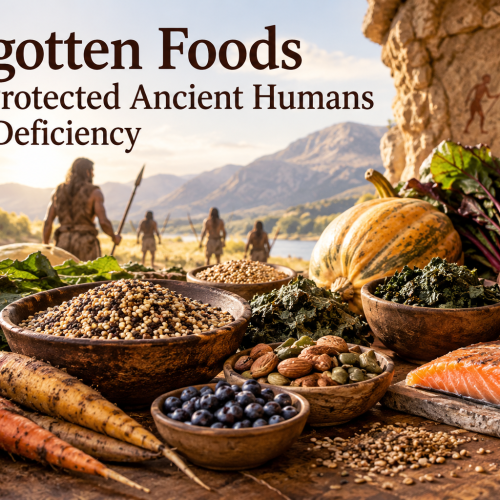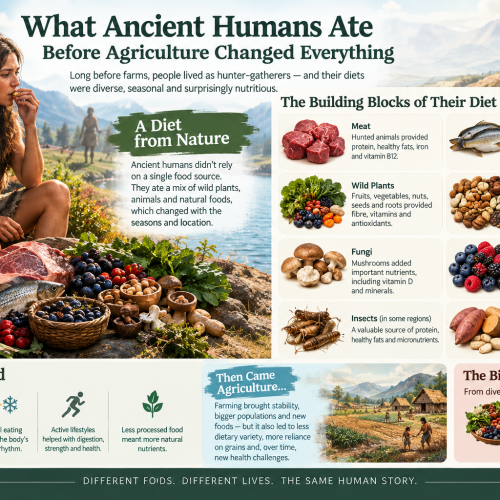
Long before food labels, supplements, or the word “micronutrient” existed, traditional cultures across completely different continents independently arrived at similar solutions to the same nutritional problems: fermentation, organ consumption, and whole-animal, whole-plant eating. None of these practices were explained in biochemical terms at the time, but they consistently protected populations from the exact deficiencies that modern nutrition science now understands in forgotten foods that protected ancient humans detail.
Fermentation: An 8,000-Year-Old Nutrition Technology

The earliest evidence of deliberate food fermentation dates back to roughly 8000 BC, based on archaeological vessel finds in Asia. Fermented foods and beverages remain an important part of diets around the world today.
The nutritional value of fermentation goes beyond preservation. During fermentation, microbial activity can improve the bioavailability of some nutrients, allowing the body to absorb more of what the food already contains.
Traditional fermented foods can provide proteins, essential fatty acids, soluble fiber, minerals, vitamins, and amino acids. Some fermented foods also contain lactic acid bacteria that may influence the gut microbiome.
In practical terms, fermented dairy, vegetables, and grains were more than a way to prevent spoilage before refrigeration. They helped traditional communities preserve food while potentially making some of its nutrients more accessible.
forgotten foods that protected ancient humans
Across hunting cultures on nearly every continent — Arctic, African, and Asian populations included — a strikingly consistent pattern shows up in the historical and anthropological record: organ meats, particularly liver, heart, and kidney, were eaten first and treated as the most valuable part of the animal, often before the muscle meat was even processed. This wasn’t a matter of taste preference. Liver in particular concentrates preformed vitamin A, heme iron (the most bioavailable form of iron), B12, folate, and multiple trace minerals at levels that would require eating far larger quantities of muscle meat to match.
This pattern was documented systematically in the early 20th century by dentist and researcher Weston A. Price, whose fieldwork studying isolated traditional populations that had not yet adopted modern processed foods found consistently strong health outcomes tied to diets rich in organ meats, raw dairy, fermented foods, and properly prepared whole grains. As Western diets industrialized through the 20th century, muscle cuts increasingly replaced organ meats in everyday eating — a shift driven by convenience, changing culinary preferences, and the fact that organs are more perishable, not by any nutritional forgotten foods that protected ancient humans advantage.
Why These Foods Specifically Protected Against Deficiency
Both practices — fermentation and organ consumption — solve a problem that’s easy to overlook in a world of fortified, calorie-dense processed food: getting enough micronutrients from a limited range of available ingredients. Populations without access to diverse, imported produce year-round needed to extract maximum nutritional value from whatever was locally available, and both practices do exactly that — fermentation by increasing nutrient bioavailability within plant and dairy foods, organ consumption by concentrating multiple micronutrients into a small portion of food. It’s a very different strategy from the modern approach of eating in bulk from a narrow selection of muscle meat and refined staples, then correcting gaps with synthetic forgotten foods that protected ancient humans supplements.
Frequently Asked Questions
How old is food fermentation as a practice?
Archaeological evidence points to deliberate fermentation dating back to around 8000 BC, based on vessel finds in Asia, making it one of the oldest known food processing technologies.
Does fermentation actually improve nutrition, or just preserve food?
Both. Fermentation increases the bioavailability of nutrients already present in food, meaning more of those nutrients can actually be absorbed, in addition to extending shelf life.
Why did traditional cultures prioritize eating organ meats?
Organ meats, especially liver, concentrate vitamin A, heme iron, B12, folate, and trace minerals at levels far higher than muscle meat, making them an efficient way to prevent multiple deficiencies from a small portion of forgotten foods that protected ancient humans food.
Who documented the health of traditional, unprocessed-food populations?
Dentist and researcher Weston A. Price studied isolated traditional populations in the early 20th century and found consistently strong health outcomes linked to diets rich in organ meats, fermented foods, raw dairy, and properly prepared forgotten foods that protected ancient humans whole grains.
Why did organ meat consumption decline in modern diets?
Industrialization, changing culinary preferences, and the greater perishability of organ meats compared to muscle cuts all contributed to their decline through the 20th century, not any nutritional forgotten foods that protected ancient humans disadvantage.
Conclusion
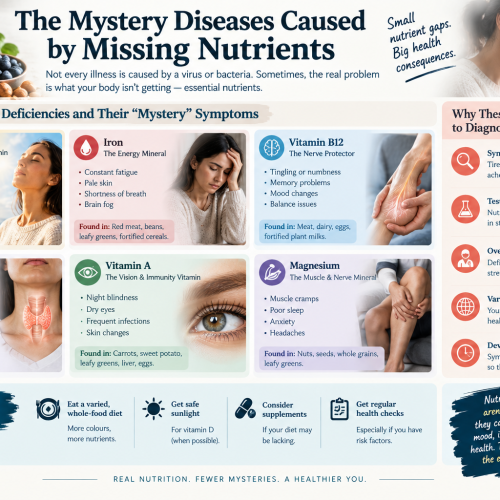
Fermented foods and organ meats represent two independently discovered, pre-scientific solutions to the same nutritional challenge that the mystery diseases caused by missing nutrients describes from the disease side: how to avoid deficiency without any formal understanding of vitamins or minerals. Traditional cultures got there through trial, observation, and necessity, centuries before modern nutrition science could explain exactly why it forgotten foods that protected ancient humans worked.
Sources & Further Reading
Primary source: Traditional Fermented Foods and Beverages from around the World and Their Health Benefits, NCBI.