

Introduction
Skincare rituals from around the world have become increasingly popular because they focus on long-term skin health instead of quick fixes. Each culture offers unique techniques and ingredients that can be adapted to modern skincare routines.
From the famous Korean multi-step skincare routine to Japanese minimalist beauty rituals and South Asian herbal remedies, these traditions offer practical ways to achieve healthy, radiant skin. In this guide, you’ll discover the unique skincare philosophies behind each culture, the ingredients they rely on, and how you can incorporate these timeless practices into your own routine.
For more on this, see our guides to how to build the perfect skincare routine for your skin type, whether snail mucin lives up to the K-beauty hype and the science behind glass skin.
Why Skincare Rituals from Around the World Are So Popular
People around the world are moving away from harsh skincare products and embracing routines that prioritize skin health over quick fixes.
Many traditional skincare rituals focus on:
- Hydrating the skin barrier
- Preventing premature aging
- Using natural ingredients
- Gentle cleansing
- Long-term consistency
- Healthy lifestyle habits
Instead of chasing perfect skin overnight, these beauty traditions encourage caring for your skin every day.
Korean Skincare Rituals for Glass Skin

Korean beauty is one of the most recognized skincare rituals from around the world, emphasizing hydration, prevention, and gentle daily care.
Double Cleansing
Double cleansing begins with an oil cleanser to dissolve sunscreen, makeup, and excess oil.
It is followed by a gentle water-based cleanser that removes remaining impurities without stripping the skin.
This method helps keep pores clear while maintaining the skin’s natural moisture barrier.
Layering Hydration
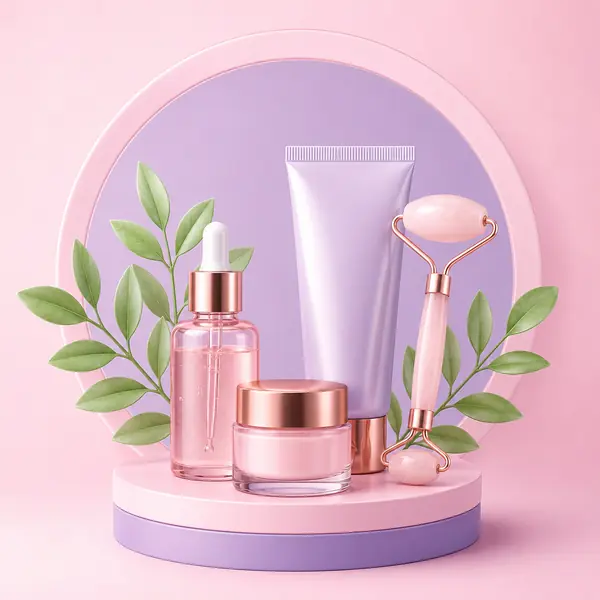
One of the defining features of Korean skincare is layering lightweight hydrating products instead of relying on a single heavy moisturizer.
Popular products include:
- Toners
- Essences
- Serums
- Ampoules
- Lightweight moisturizers
This layered approach helps create the famous “glass skin” appearance.
Popular Korean Ingredients
Many Korean skincare products feature ingredients known for soothing and hydrating the skin.
These include:
- Centella Asiatica (Cica)
- Snail Mucin
- Hyaluronic Acid
- Green Tea
- Rice Extract
- Propolis
Each ingredient targets different skin concerns while supporting the skin barrier.
Daily Sun Protection
Korean skincare strongly emphasizes sunscreen every day, even during cloudy weather.
Broad-spectrum SPF helps prevent:
- Premature aging
- Hyperpigmentation
- Sun damage
- Fine lines
Daily sun protection is considered one of the most effective anti-aging habits.
Japanese Skincare Rituals for Timeless Beauty

Japanese beauty traditions continue to influence skincare rituals from around the world through their minimalist approach and high-quality natural ingredients.
Instead of using many active ingredients at once, Japanese beauty routines often focus on gentle cleansing, hydration, and protecting healthy skin.
Gentle Cleansing
Japanese cleansers are usually designed to remove impurities without disrupting the skin’s protective barrier.
Foaming cleansers with mild formulations are especially popular.
Rice Water Beauty Ritual
Rice water has been used in Japan for centuries as part of traditional beauty routines.
It may help:
- Brighten the complexion
- Improve skin texture
- Support hydration
- Leave skin feeling soft
Many modern Japanese skincare products now include rice extract.
Camellia Oil
Camellia oil is a traditional Japanese beauty ingredient rich in fatty acids and antioxidants.
Benefits include:
- Deep nourishment
- Softening dry skin
- Supporting elasticity
- Improving moisture retention
Green Tea Skincare
Japan is famous for its high-quality green tea.
Green tea contains antioxidants called catechins that help protect the skin from environmental stress while calming irritation.
South Asian Skincare Rituals Rooted in Nature

South Asian herbal remedies remain an important part of skincare rituals from around the world, combining centuries-old traditions with natural ingredients.
Many of these remedies remain popular today alongside modern skincare.
Turmeric Face Masks
Turmeric has long been used in traditional beauty rituals because of its bright yellow pigment and antioxidant properties.
It is commonly combined with:
- Yogurt
- Gram flour (besan)
- Honey
- Milk
Turmeric masks are especially popular before weddings and celebrations.
Sandalwood Paste
Sandalwood has a cooling effect on the skin and has traditionally been used to soothe irritation and improve skin comfort.
It is often mixed with rose water for a refreshing face pack.
Rose Water Toning
Rose water remains one of the most widely used skincare products across South Asia.
It helps:
- Refresh tired skin
- Provide light hydration
- Calm redness
- Prepare skin before moisturizing
Natural Oils for Massage
Facial massage using natural oils has long been part of South Asian self-care traditions.
Popular oils include:
- Almond Oil
- Coconut Oil
- Sesame Oil
- Mustard Oil (primarily for body care)
Gentle massage may help improve circulation while creating a relaxing skincare ritual.
Similarities Between Korean, Japanese, and South Asian Beauty Rituals
Although these traditions come from different cultures, they share several important principles.
All emphasize:
- Consistency over perfection
- Healthy skin barrier
- Hydration
- Gentle cleansing
- Natural ingredients
- Sun protection
- Prevention rather than correction
These shared philosophies explain why they continue to influence modern skincare worldwide.
How to Build Your Own Global Skincare Routine

You don’t need a 10-step routine to enjoy the benefits of international skincare traditions.
A balanced routine might include:
Morning
- Gentle cleanser
- Hydrating toner
- Vitamin C serum
- Lightweight moisturizer
- Broad-spectrum SPF
Evening
- Oil cleanser
- Water-based cleanser
- Hydrating essence
- Serum
- Ceramide moisturizer
Once or twice weekly:
- Rice mask
- Turmeric face mask (used carefully to avoid staining)
- Sheet mask
- Facial massage
Choose products based on your skin type rather than following every trend.
Common Mistakes to Avoid
Avoid these skincare habits:
- Over-exfoliating
- Trying too many products at once
- Ignoring sunscreen
- Skipping moisturizer because of oily skin
- Using homemade remedies too frequently without patch testing
Traditional ingredients can still cause irritation for some people, so always patch test first.
Frequently Asked Questions
Which country’s skincare routine is the best?
There isn’t one routine that’s best for everyone. Korean, Japanese, and South Asian skincare each offer valuable practices that can be adapted to different skin types.
Is Korean skincare suitable for sensitive skin?
Many Korean products are formulated to support hydration and the skin barrier, but it’s still important to choose products appropriate for your skin type.
Can I combine Korean and Japanese skincare?
Yes. Many people successfully combine gentle Japanese cleansers with Korean hydrating products and sunscreen.
Are traditional South Asian remedies safe?
Some traditional ingredients may be beneficial, but they should be used carefully and patch tested first. Avoid ingredients that are abrasive or could irritate your skin.
Do I need a 10-step skincare routine?
No. A simple routine that includes cleansing, moisturizing, and sun protection can be effective. Additional products should be chosen based on your individual skin concerns.
Conclusion
The best skincare rituals from around the world share one common philosophy: consistency, hydration, sun protection, and healthy lifestyle habits.
Instead of following every trend, focus on habits that strengthen your skin barrier and support long-term skin health.
Which global skincare ritual would you love to try first? Share your thoughts in the comments below, and subscribe to GlowCulture.uk for more expert beauty, skincare, health, fashion, and culture content.