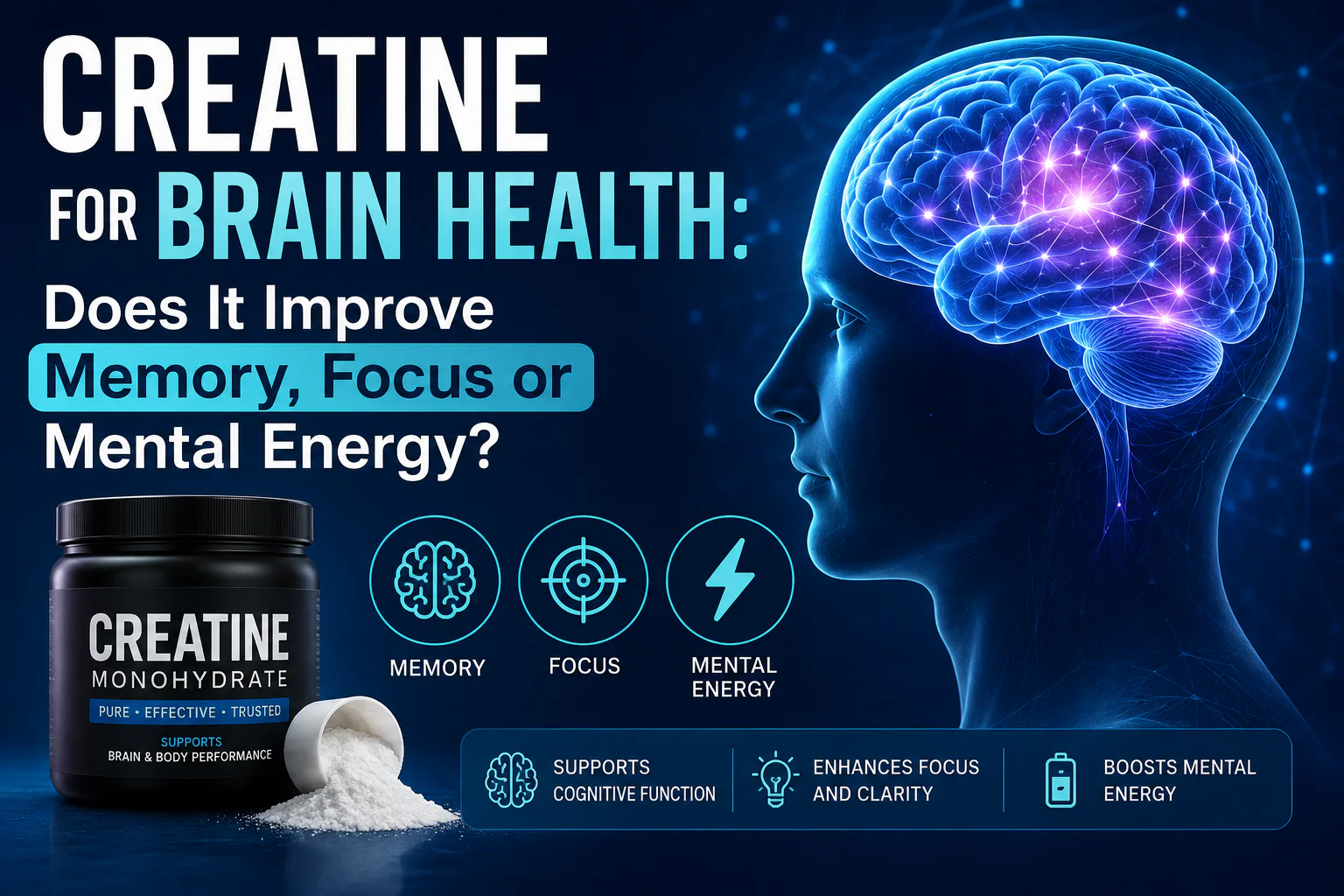
Category: HealthAuthor: Aiman Shahzadi Creatine for brain health is becoming an increasingly discussed topic in 2026. Creatine was once associated almost entirely with gyms and sports performance, but it is now being studied for brain health, memory, focus, healthy ageing and mental energy. The interest is scientifically plausible because the brain uses a large amount of energy and stores creatine. However, plausible does not mean proven for every person or every claim. For more on this, see our guides to how much protein you actually need and the forgotten scientists who built modern nutrition. Quick answer: Research suggests creatine may affect brain creatine levels and could help some cognitive outcomes in certain groups or stressful conditions, but evidence is mixed. UK authorities did not accept a broad claim that low-dose daily creatine improves cognitive function based on the evidence submitted for that claim. What Is Creatine? Creatine is a compound made naturally in the body from amino acids and obtained in smaller amounts from foods such as meat and fish. Most stored creatine is found in skeletal muscle, where it helps rapidly regenerate energy. Supplements, usually creatine monohydrate, increase muscle creatine stores and have a well-established role in high-intensity exercise performance. Why Would Creatine Affect the Brain? Brain cells also use the phosphocreatine system to buffer energy demand. Researchers have therefore studied whether supplementation could support cognition when brain energy demand is high, such as sleep deprivation, ageing, vegetarian diets or demanding mental tasks. What Does the Evidence Show? Some trials and reviews report improvements in certain memory or reasoning measures, while others find little or no effect. Differences in dose, duration, participant diet, age, baseline creatine status and cognitive tests make the literature difficult to summarise with one headline. UK health-claim decision The UK Nutrition and Health Claims Committee reviewed evidence for a proposed claim that daily creatine supplementation could improve cognitive function. The committee concluded that the evidence submitted did not demonstrate the claimed effect at the proposed intake. That does not mean all brain research on creatine is negative; it means the broad marketing claim was not sufficiently substantiated in that regulatory review. Who Might Be More Likely to Benefit? These are research patterns, not guarantees. A supplement should not be marketed as a treatment for memory loss, depression, dementia or neurological disease without appropriate clinical evidence and medical oversight. Is Creatine Safe? Creatine monohydrate is one of the most studied sports supplements. It can increase body weight through increased water stored in muscle, especially early in use. Some people report gastrointestinal discomfort. People with kidney disease, pregnancy, complex medical histories or regular medicines should discuss supplements with a clinician. What Dose Is Used? Sports research often uses around 3-5g per day after an optional loading phase, but brain studies have used different protocols and sometimes higher amounts. Do not assume that a higher dose means better cognition. Follow product directions and medical advice rather than copying a social-media protocol. Creatine vs Coffee for Focus Caffeine has an acute stimulant effect, whereas creatine is not a stimulant. If creatine influences cognition, it is through cellular energy systems rather than a quick “buzz.” That is why taking one scoop before an exam should not be expected to work like coffee. Sleep remains one of the most powerful foundations for concentration and memory. See GlowCulture’s guide to improving sleep quality before trying to supplement around chronic sleep deprivation. Food Sources of Creatine Creatine occurs naturally in animal foods, particularly red meat and fish, while plant foods contain very little. This is one reason researchers have looked at whether vegetarians and vegans, who tend to have lower baseline levels, respond differently to supplementation. Your body also makes creatine itself from amino acids, so it is not an essential nutrient in the way that some vitamins are. Reading Supplement Labels Practical Considerations Realistic Expectations If you are considering creatine mainly for cognitive benefits, it is worth remembering that the evidence is mixed, benefits are likely to be modest even where they occur, and lifestyle factors such as sleep, exercise, diet and managing stress have a far larger effect on focus and memory. Our guide to protein needs covers the wider picture of eating for performance. Speak to your GP or a pharmacist before starting a supplement, especially if you take regular medication or have a medical condition. Frequently Asked Questions Does creatine improve memory? Some studies suggest possible benefits, but results vary. It is not accurate to promise that creatine will improve memory in every healthy adult. Is creatine good for women? Women can use creatine, but individual needs depend on health, diet and goals. Research interest in women and older adults is growing. Does creatine cause hair loss? A direct causal link has not been established. The concern largely comes from limited data on hormone changes rather than trials demonstrating hair loss. Can creatine replace sleep? No. Even if creatine helps some cognitive measures during sleep loss, it does not remove the wide health effects of creatine for brain health insufficient sleep. Final Thoughts Creatine is a legitimate, well-studied performance supplement with an interesting emerging brain-health research story. The strongest SEO and editorial approach is to explain that nuance: there may be cognitive potential, but broad claims about guaranteed memory or focus benefits go beyond the current creatine for brain health evidence. Related Reading Browse more in Health or return to the GlowCulture homepage. Sources & Further Reading Editorial note: This article is for general information only and is not medical advice. Please speak to a qualified healthcare professional about any personal health or skin concern. Learn how we research and review our content in our Editorial Policy.
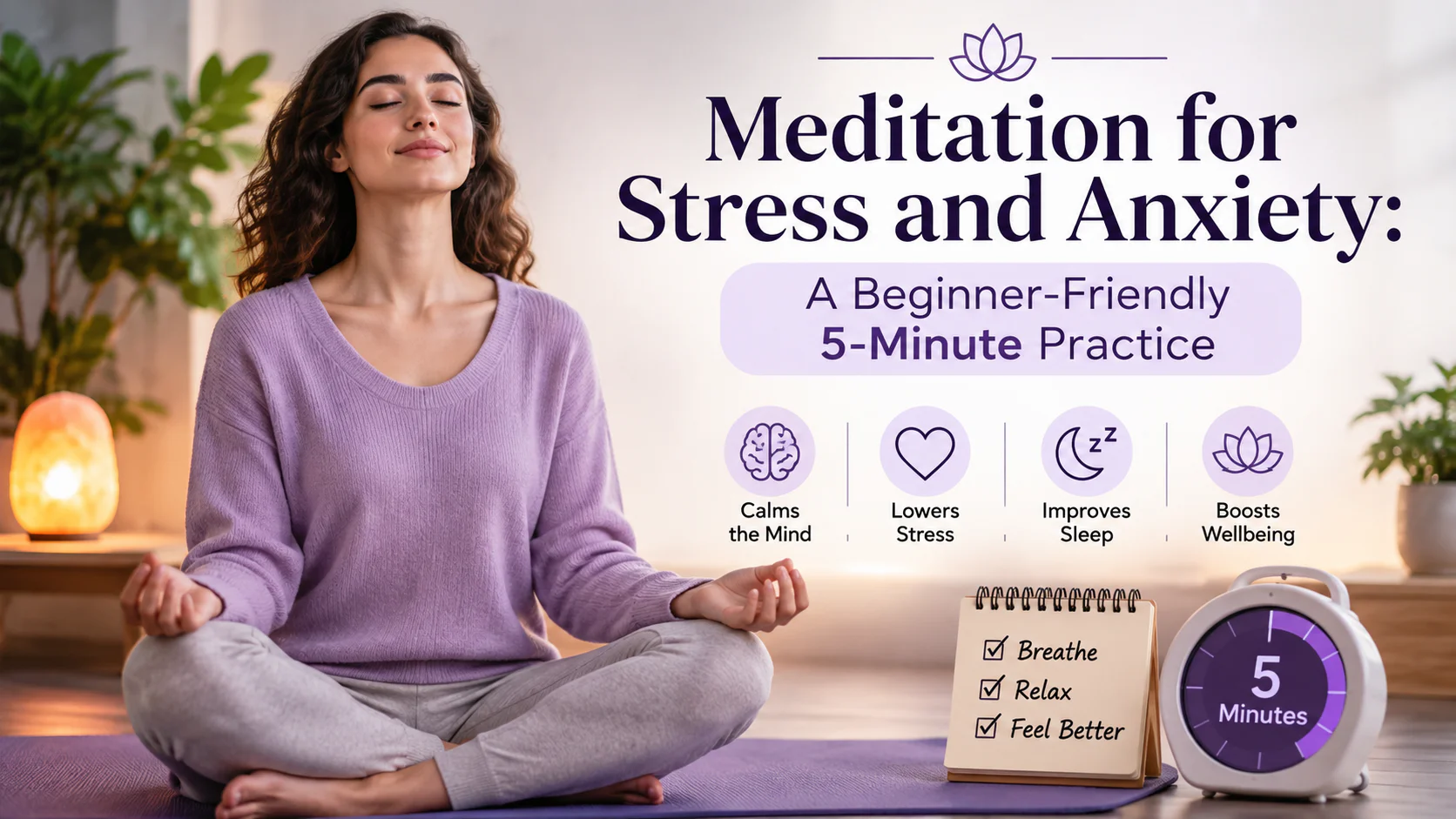
Meditation for Stress and Anxiety: A Beginner-Friendly 5-Minute Practice
Category: HealthAuthor: Aiman Shahzadi Meditation for stress and anxiety can be a simple way to practise mindfulness, slow down and create a few minutes of calm in a busy day. Meditation is often described as a way to “empty your mind,” which can make beginners think they are doing it wrong the moment a thought appears. That is not the goal. A basic mindfulness practice trains you to notice where your attention has gone and gently bring it back, often to your breathing or another neutral sensation. For more on this, see our guide to stress management techniques that calm anxiety. Quick answer: Meditation for stress and anxiety may help some people manage stress and anxiety symptoms, but the evidence varies by method and condition. It should be treated as a supportive wellbeing practice, not a replacement for professional care when anxiety is severe, persistent or disrupting daily life. What Is Mindfulness Meditation? Mindfulness involves paying attention to present-moment experience with less automatic judgement. Meditation is one way to practise it. You might focus on breathing, sounds, body sensations or a guided exercise. What Does the Evidence Say? The US National Center for Complementary and Integrative Health reports that mindfulness and meditation have been studied for anxiety, depression, stress, sleep and pain. Some findings are promising, but study quality varies and results are sometimes interpreted too optimistically. NHS guidance also notes that mindfulness can help some people with stress, anxiety and depression, while acknowledging that it is not right for everyone. A 5-Minute Meditation for Beginners What If Your Mind Will Not Stop? That is normal. The practice is the return, not a perfectly blank mind. Every time you notice you are planning, replaying or worrying and bring attention back, you are doing the exercise. How Often Should You Meditate? Consistency matters more than duration. Five minutes most days may be easier to maintain than an ambitious 30-minute practice that lasts one week. If you enjoy guided sessions, use a reputable app or evidence-based programme. Can Meditation Help With Sleep? Mindfulness practices may improve sleep quality for some people. If racing thoughts are part of your bedtime difficulty, meditation can help you notice them without engaging with every thought. GlowCulture’s sleep quality guide covers broader sleep habits as well. When Meditation Can Feel Worse Mindfulness is not universally calming. Some people feel more distressed, dissociated or overwhelmed when focusing inward. If that happens, stop the exercise, orient to your surroundings and choose another coping strategy. People with significant trauma or psychiatric symptoms may benefit from professional guidance rather than self-directed intensive meditation. Meditation Is Not a Replacement for Care Important: Do not use meditation to delay medical or mental health care. Seek professional support if anxiety is severe, persistent, causes panic, affects sleep or daily functioning, or comes with thoughts of self-harm. Simple Types of Meditation to Try Setting Up Your Practice You do not need special equipment. Sit on a chair or a cushion in a way that lets your back be upright but not stiff, rest your hands on your lap, and choose whether to close your eyes or rest your gaze softly on the floor. Use a gentle timer so you are not watching the clock, and pick a place where you will not be disturbed. If sitting is uncomfortable, you can lie down or try a walking practice instead. Building a Habit That Lasts Working With Common Obstacles Other Ways to Manage Stress Alongside Meditation Meditation works best as one part of a wider routine. Regular movement, time outdoors, social contact, consistent sleep and realistic workloads all affect how stressed you feel. You can find more ideas in our guide to stress management techniques. When to Get Extra Support Speak to your GP if anxiety or low mood is lasting, getting worse or affecting your work, sleep or relationships. NHS services can offer talking therapies and other treatments. If you need urgent advice, contact NHS 111, and in an emergency call 999. In the UK, Samaritans are available free at any time on 116 123 if you are struggling to cope or having thoughts of harming yourself. Frequently Asked Questions Does meditation cure anxiety? No. It may help manage symptoms for some people, but anxiety disorders can require therapy, medication or other professional treatment. Is five minutes enough? Five minutes is enough to build the habit. Longer is not automatically better if it makes the practice harder to sustain. Should I breathe deeply? You can simply observe natural breathing. Forcing very deep breaths can make some people light-headed or uncomfortable. What is the easiest meditation for beginners? A short breath-awareness practice or guided body scan is usually simple to follow. Final Thoughts Meditation is best treated as a skill, not a test. Start small, expect your mind to wander and use the practice as one part of a wider approach to wellbeing. Related Reading Browse more in Health or return to the GlowCulture homepage. Sources & Further Reading Editorial note: This article is for general information only and is not medical advice. Please speak to a qualified healthcare professional about any personal health or skin concern. Learn how we research and review our content in our Editorial Policy.
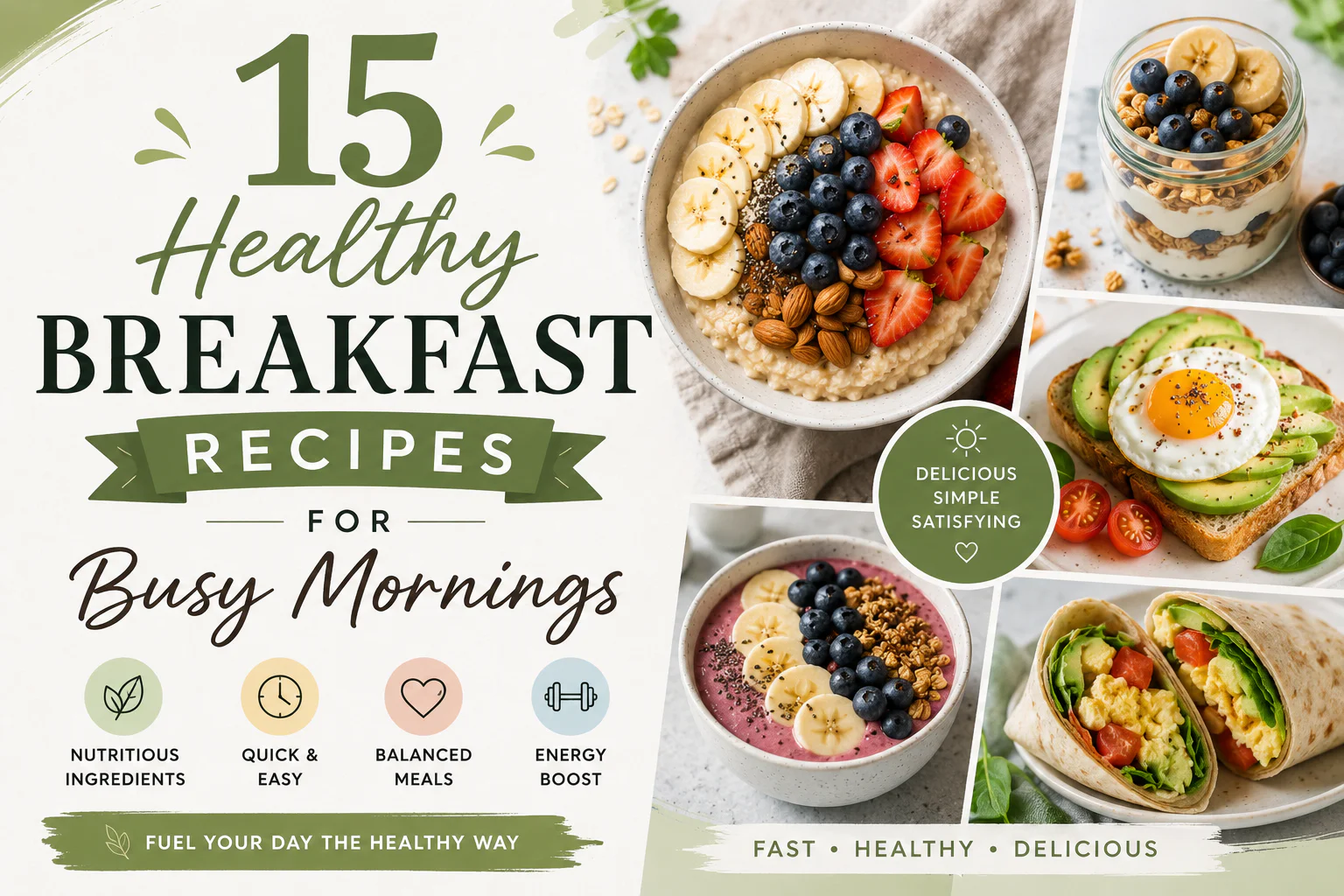
15 Healthy Breakfast Recipes for Busy Mornings
Category: HealthAuthor: Aiman Shahzadi Healthy breakfast recipes do not need to be low-carb, sugar-free, detoxifying or expensive. A practical breakfast usually combines a source of higher-fibre carbohydrate, protein and fruit or vegetables, then adjusts portions to appetite and individual needs. For more on this, see our guides to healthy snack recipes that are easy and satisfying, anti-inflammatory foods to add to your diet and the complete anti-inflammatory diet food list. Quick answer: Easy healthy breakfasts include porridge with yoghurt and berries, eggs on wholemeal toast, overnight oats, Greek-style yoghurt with fruit and seeds, vegetable omelettes, beans on toast and simple smoothies paired with a solid food source of fibre or protein. What Makes a Breakfast Balanced? The NHS Eatwell Guide recommends a varied pattern built around fruit and vegetables, higher-fibre starchy carbohydrates, protein foods, dairy or alternatives and small amounts of unsaturated fats. You do not need every food group in one breakfast, but combining two or three groups makes the meal more satisfying and nutritionally useful. 1. Berry Overnight Oats Mix rolled oats with milk or fortified plant drink, plain yoghurt, chia seeds and berries. Refrigerate overnight. Add nuts in the morning for crunch. 2. Porridge With Yoghurt and Berries Cook oats with milk or water, top with plain yoghurt, berries and a spoon of seeds. This is similar to breakfast ideas promoted by NHS Healthier Families. 3. Eggs on Wholemeal Toast Scramble, poach or boil two eggs and serve with wholemeal toast plus tomatoes or spinach. 4. Beans on Toast With Extra Veg Serve lower-salt baked beans on wholemeal toast and add mushrooms, tomatoes or spinach. 5. Greek-Style Yoghurt Bowl Use plain Greek-style yoghurt, fresh fruit, oats and chopped nuts. Choose unsweetened yoghurt if you want to control added sugar. 6. Banana Oat Pancakes Mash banana with egg and oats, then cook small pancakes in a lightly greased pan. Serve with fruit rather than syrup-heavy toppings. 7. Breakfast Burrito Fill a wholemeal tortilla with scrambled egg, peppers, tomato and beans. Make several and freeze for busy mornings. 8. Avocado and Egg Toast Top wholemeal toast with mashed avocado and a boiled or poached egg. Add lemon, pepper or chilli for flavour. 9. Cottage Cheese and Fruit Bowl Pair cottage cheese with peach, pear, berries or pineapple and sprinkle with seeds. 10. Peanut Butter Banana Toast Spread a thin layer of peanut butter on wholemeal toast and top with sliced banana and cinnamon. 11. Vegetable Omelette Use eggs with peppers, mushrooms, spinach or leftover vegetables. Serve with wholegrain toast if you want a more substantial meal. 12. Apple Cinnamon Muesli Combine unsweetened muesli with grated apple, yoghurt and milk. Let it soften for 10 minutes or overnight. 13. Smoothie Plus a Solid Side Blend milk or fortified plant drink, berries, banana and yoghurt. Pair with wholegrain toast or a small handful of nuts instead of treating a drink as an automatically complete breakfast. 14. Savoury Oats Cook oats with water or milk, then top with an egg, spinach, tomatoes and black pepper. 15. Leftovers Breakfast Bowl Breakfast food does not have to be sweet. Leftover potatoes, vegetables, beans and egg can become a quick breakfast bowl. How to Make Breakfast Faster Breakfasts for Different Needs A Week of Easy Breakfasts Reading Labels on Cereals and Yoghurts Breakfast cereals and flavoured yoghurts can contain a lot of added sugar. Compare the sugar figure per 100g and look for wholegrain options with more fibre. In the UK, traffic-light labels on the front of many packs make comparisons quicker, and choosing more greens and ambers is a practical rule. Adding your own fruit to plain yoghurt or unsweetened cereal keeps sugar lower and often costs less. Common Breakfast Myths Allergy and Safety Notes Check labels for nuts, seeds, egg, milk, wheat and other allergens in packaged breakfast foods, especially mueslis and granolas. Whole nuts are not suitable for children under five. If you have a health condition, take medicines or need to manage your blood sugar, speak to your doctor or a registered dietitian before making major changes to breakfast. For snacks that work between meals, see our healthy snack recipes. Frequently Asked Questions Is skipping breakfast unhealthy? Not everyone needs to eat immediately after waking. Overall diet quality matters. If you skip breakfast and feel well, focus on balanced meals later in the day. What is a high-protein breakfast? Eggs, Greek-style yoghurt, cottage cheese, beans, tofu and milk or fortified alternatives can all contribute protein. What is a high-fibre breakfast? Oats, wholegrain bread, fruit, berries, beans, nuts and seeds are useful sources. Are breakfast cereals healthy? Some are. Compare labels and prefer higher-fibre options with less added sugar when possible. Final Thoughts The best healthy breakfast is one you can actually make and enjoy. Use a simple formula: fibre-rich carbohydrate + protein + fruit or vegetables, then adjust to your appetite. Related Reading Browse more in Health or return to the GlowCulture homepage. Sources & Further Reading Editorial note: This article is for general information only and is not medical advice. Please speak to a qualified healthcare professional about any personal health or skin concern. Learn how we research and review our content in our Editorial Policy.
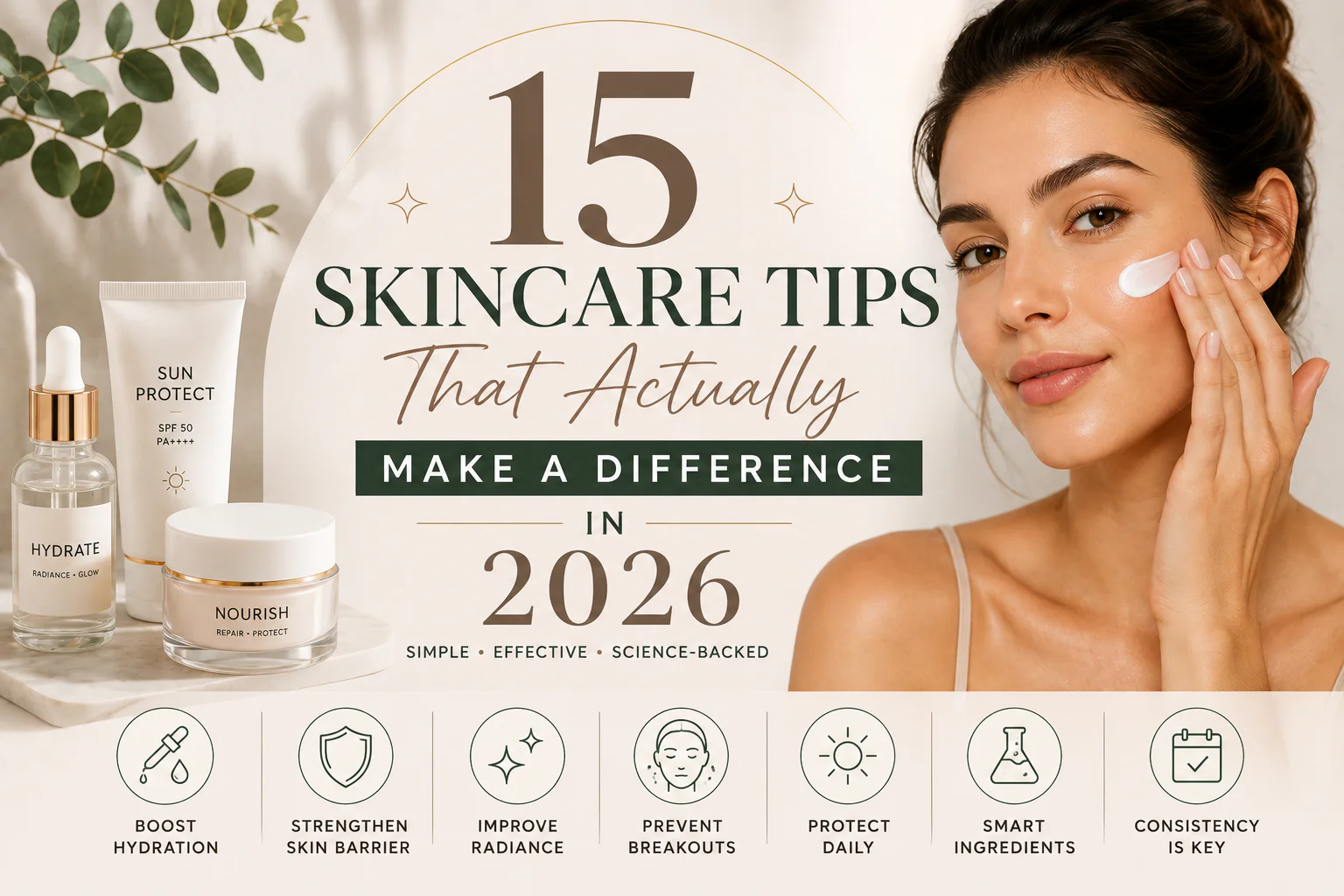
15 Skincare Tips That Actually Make a Difference in 2026
Category: SkincareAuthor: Aiman Shahzadi Good skincare is much less about owning a crowded shelf and much more about doing a few basic things consistently. The internet makes healthy skin look complicated because new ingredients, devices and routines appear every week. Yet the habits that protect the skin barrier, reduce preventable irritation and support long-term skin health are surprisingly simple. For more on this, see our guides to the correct order for your skincare routine and acne and acne scarring treatment by scar type. Quick answer: The most useful skincare tips are to cleanse gently, moisturise according to your skin type, wear broad-spectrum SPF 30+ every day, introduce active ingredients slowly, avoid picking at the skin and stop changing products every skincare tips few days. Consistency usually matters more than complexity. 1. Start With a Gentle Cleanser, Not a Harsh One A cleanser should remove sweat, sunscreen, makeup and excess oil without leaving your face painfully tight. The American Academy of Dermatology recommends gentle, non-abrasive cleansing. If your skin squeaks, stings or feels stretched after washing, the cleanser may be too stripping for you. 2. Wash With Lukewarm Water Very hot water can make dry or sensitive skin feel worse. Lukewarm water is enough for cleansing and is less likely to leave the skin uncomfortable. 3. Moisturize While Skin Is Slightly Damp Moisturiser helps reduce water loss from the skin. Apply it soon after cleansing while the skin is still slightly damp. Oily skin may prefer a light gel or lotion; dry skin often benefits from a richer cream. 4. Wear Sunscreen Every Day Daily sun protection is one of the most evidence-supported skincare habits. Dermatologists recommend broad-spectrum, water-resistant SPF 30 or higher. Sunscreen helps prevent sunburn, reduces cumulative UV damage and supports any routine aimed at uneven tone or visible ageing. 5. Do Not Start Five Active Ingredients at Once Retinoids, exfoliating acids, benzoyl peroxide and strong vitamin C formulas can be useful, but using several new actives together makes it difficult to know what is helping and what is irritating your skin. Introduce one new active at a time and give your skin time to adjust. 6. Patch Test When Your Skin Is Reactive If you are sensitive or allergy-prone, test a new product on a small area before applying it widely. Patch testing cannot predict every reaction, but it can catch obvious irritation before it affects your entire face. 7. Treat Your Main Concern, Not Every Possible Concern Choose one priority: acne, dryness, pigmentation, redness or fine lines. Build the routine around that need first. GlowCulture’s guide to skincare treatments by concern explains why matching the active ingredient to the actual problem matters more than copying someone else’s shelf. 8. Stop Scrubbing Your Face Physical scrubs and cleansing brushes are not automatically bad, but aggressive scrubbing can trigger redness and irritation. Exfoliation should leave the skin smoother, not raw. 9. Do Not Pick Spots Picking can increase inflammation and raise the chance of post-inflammatory marks or scarring. Use a targeted acne treatment instead and seek medical advice if acne is painful, widespread or leaving scars. 10. Keep Your Routine Boring When Your Barrier Feels Damaged If your face suddenly burns with ordinary products, becomes unusually flaky or feels tight all day, simplify. A gentle cleanser, bland moisturiser and sunscreen can be more useful than adding another active while the skin is irritated. 11. Give Products Enough Time Skincare rarely changes the skin overnight. Moisturisers can make dryness feel better quickly, but pigmentation, acne and fine-line treatments typically need consistent use over many weeks. Constantly switching products can hide whether something was beginning to work. 12. Use the Right Amount of Product More is not always better. Follow the label, especially for concentrated actives. Applying excessive retinoid or acid usually increases irritation rather than speeding up results. 13. Keep Makeup Tools and Pillowcases Clean Wash brushes and sponges regularly, especially if you use them on acne-prone skin. Change pillowcases at a sensible frequency and avoid sharing eye or lip products. 14. Match Texture to Your Skin Type A light gel can feel better on oily skin, while a cream or ointment may suit very dry areas. Your existing skin-type routine guide can help readers choose textures. 15. Know When Skincare Is Not Enough Persistent rashes, severe acne, rapidly changing pigmentation, painful lesions or unexplained skin changes deserve professional assessment. Cosmetic skincare should not be used to self-diagnose a medical condition. Frequently Asked Questions What are the three most important skincare steps? For many people: gentle cleansing, moisturising and daily sunscreen. Treatments can be added for specific concerns. How can I get glowing skin naturally? Protect the barrier, use sunscreen, sleep adequately, eat a balanced diet and treat specific concerns rather than chasing aggressive “glow” hacks. Is expensive skincare better? Not automatically. Formula, active ingredient, concentration, tolerability and consistency matter more than luxury branding. Can I use the same routine all year? Your core routine can stay stable, but you may prefer richer moisturiser in cold weather and lighter textures in humid months. Final Thoughts The best skincare tips are not dramatic. Clean gently, moisturise, protect from UV, introduce actives slowly and make changes based on your own skin. A simple routine you follow is usually more valuable than an elaborate routine you cannot tolerate. Related Reading Browse more in Skin Care or return to the GlowCulture homepage. Sources & Further Reading Editorial note: This article is for general information only and is not medical advice. Please speak to a qualified healthcare professional about any personal health or skin concern. Learn how we research and review our content in our Editorial Policy.

17 Women Fashion Tips for Looking More Put-Together in 2026
Category: FashionAuthor: Aiman Shahzadi Style is not about buying whatever is newest. The biggest improvement usually comes from learning how fit, proportion, colour and accessories work together. These women fashion tips are designed to make clothes you already own easier to style. For more on this, see our guide to beauty tips that make your routine easier. Quick answer: Build outfits around one clear silhouette, balance volume, repeat colours, show intentional proportions, tailor key pieces and use accessories as finishing details rather than afterthoughts. 1. Decide What the Outfit Is About Choose one focus: interesting trousers, a statement jacket, a strong colour or a sleek monochrome base. When every item tries to be the main character, the outfit can feel busy. 2. Balance Volume If trousers are very wide, try a more defined top or a shorter layer. If the upper half is oversized, a straighter or more fitted bottom can create balance. This is a guideline, not a rule; all-over volume can work when proportions are intentional. 3. Use the Third-Piece Trick A basic top and bottom often look more styled when you add a blazer, overshirt, cardigan, vest or jacket. 4. Repeat a Colour Pick up one colour from your shoes, belt, bag or jewellery somewhere else in the outfit. Small repetition creates visual cohesion. 5. Mix One Texture Denim with suede, cotton with leather, knitwear with satin or linen with structured accessories can make simple colours feel richer. 6. Get Trouser Length Right The same trousers can look polished or awkward depending on where the hem breaks over the shoe. Try the trousers with the footwear you actually plan to wear. 7. Tailor the Pieces You Wear Most A small waist adjustment, shorter sleeve or cleaner hem can make an affordable garment look far better. 8. Use a Monochrome Base Dressing in one colour family creates a long, clean line. Add contrast through a coat, bag or shoe if the outfit feels flat. 9. Build Around Good Basics A useful capsule does not need to be beige or boring. It needs pieces that connect. GlowCulture’s capsule wardrobe guide explains how to build a smaller wardrobe around real outfit combinations. 10. Let Shoes Change the Mood Jeans with trainers feel casual; the same jeans with loafers, slingbacks or boots can feel sharper. Shoes are often the fastest way to change the level of formality. 11. Use Accessories in Scale Small delicate jewellery suits minimal looks, while a larger bag, cuff or earring can balance oversized clothing. Think about the visual weight of the outfit. 12. Tuck Strategically A full tuck, half tuck or cropped top can reveal the waistline and change proportion. You do not need to tuck everything; the goal is to create an intentional break. 13. Build Outfit Formulas Examples: straight jeans + fitted tee + blazer + loafers; midi skirt + knit + boots; wide trousers + tank + overshirt + flats. Repeating formulas reduces decision fatigue. 14. Keep One Layer Removable For transitional weather, build the outfit so one layer can come off without ruining the look. GlowCulture’s late-summer to autumn outfit guide uses this idea throughout. 15. Photograph Outfits You Love Create a small private album of successful looks. It becomes a personalised style reference more useful than random saved inspiration. 16. Stop Buying for a Fantasy Lifestyle If most of your week is casual, your wardrobe should not be 70% event wear. Buy for the life you actually live. 17. Treat Trends as Add-Ons 2026 continues to play with relaxed denim, sculptural shapes, polished basics and statement accessories. Add a trend through one item instead of rebuilding the wardrobe every season. How to Find Your Personal Style Personal style develops from noticing what you actually enjoy wearing. If you are unsure where to start, try this approach: Quick Fit Checks Before You Leave the House Simple Outfit Formulas by Occasion Common Styling Mistakes to Avoid Frequently Asked Questions How can I look stylish with basic clothes? Focus on fit, proportion, shoe choice, one additional layer and a repeated colour. How many colours should an outfit have? There is no fixed limit, but two to four coordinated colours are easier for beginners to balance. What makes an outfit look expensive? Clean fit, pressed fabric, good condition, intentional proportions and restrained accessories matter more than visible logos. Do fashion rules still matter? Use them as tools, not laws. Once you understand why a proportion or colour combination works, you can break the rule deliberately. Final Thoughts Great personal style is repeatable. Learn which proportions suit you, build a few outfit formulas and use trends to refresh rather than replace your wardrobe. Related Reading Browse more in Fashion or return to the GlowCulture homepage. Sources & Further Reading Editorial note: This article offers general style guidance. Trends, prices and product availability change, so check current details before you buy. Learn how we research and review our content in our Editorial Policy.

Affordable Fashion: 18 Ways to Dress More Expensive on a Budget
Category: FashionAuthor: Aiman Shahzadi Affordable fashion is not about wearing expensive labels. Clothes look intentional when they fit, hang well, work together and are in good condition. That means a budget wardrobe can look excellent while an expensive one can still feel messy. For more on this, see our guide to fashion tips for looking more put-together. Quick answer: Spend attention before money. Prioritise fit, neutral or coordinated colours, clean shoes, pressed fabrics, tailoring and a few strong accessories. Buy fewer pieces that create several outfits instead of chasing constant newness. 1. Tailor the High-Impact Pieces Trousers, blazers and coats benefit most from small alterations because their shape defines the outfit. 2. Check Fabric Before the Brand Look for fabric that feels substantial enough for the garment, hangs cleanly and is not already pilling on the hanger. 3. Steam or Iron Your Clothes Creases can make even a beautiful outfit look unfinished. A basic handheld steamer can transform inexpensive pieces. 4. Keep Shoes Clean Shoes attract attention because they frame the whole look. Wipe trainers, condition leather and repair worn heels. 5. Use a Tight Colour Palette Black, cream, navy, chocolate, grey, denim and one accent colour can create easy combinations. You can use brighter palettes too; coordination matters more than neutrality. 6. Avoid Too Many Competing Details Cheap-looking outfits are often not about price but visual noise. If a garment has dramatic hardware, print or texture, keep the surrounding pieces simpler. 7. Replace Flimsy Buttons A small button upgrade on a blazer or cardigan can change the impression of the piece. 8. Choose Structured Accessories A simple bag with a clean shape can make casual basics look more intentional. 9. Wear Belts as Styling Tools A belt can define the waist, break up a monochrome outfit or connect shoe and bag colours. 10. Buy Better Basics Second-Hand Coats, leather, wool knitwear, denim and occasion wear can offer excellent value in resale markets. 11. Use the Cost-Per-Wear Test A £60 coat worn 100 times is often better value than a £20 trend piece worn once. Price matters, but usefulness matters too. 12. Build Three Outfit Formulas For example: jeans + tee + blazer; wide trousers + knit + loafers; midi skirt + fitted top + jacket. Repeat with different colours. 13. Shop Your Own Wardrobe First Before buying for an event, try five combinations using what you own. Often the missing piece is styling rather than shopping. 14. Layer With Intention A visible shirt cuff, collared layer, cardigan over shoulders or long coat can make basics feel more considered. 15. Avoid Obvious Dupes With Fake Logos Instead of imitating a designer logo, choose a clean unbranded piece with a similar silhouette or colour story. 16. Know When High Street Is Enough Current 2026 high-street styling coverage continues to show that simple combinations from accessible retailers can look polished when silhouette and accessories are well chosen. 17. Maintain What You Own De-pill knitwear, remove loose threads, fix hems and store clothing properly. 18. Buy for Your Real Life A wardrobe feels luxurious when most pieces are useful. GlowCulture’s capsule wardrobe guide can help you identify the basics your actual week needs. What to Spend On and Where to Save You do not need to spend evenly across your wardrobe. A useful rule is to spend more on the pieces you wear most often or that must hold their shape, and less on items that follow short-lived trends. Where to Find Better Quality for Less A Simple Budget Shopping Routine If you like the idea of buying less but better, our guides to sustainable fashion and the capsule wardrobe go deeper on planning a wardrobe that lasts. Frequently Asked Questions What colours look expensive? No colour is inherently expensive. Tonal dressing and coordinated shades often create a polished effect. What cheap item can improve an outfit most? Often a belt, simple earrings, a well-shaped bag or a shoe upgrade. Should I buy trends on a budget? Yes, but choose one trend piece that works with your existing wardrobe rather than buying an entire trend capsule. How can I stop impulse fashion purchases? Use a 48-hour waiting period, keep a wishlist and require the item to create at least three outfits with clothes you already own. Final Thoughts Affordable fashion looks best when the wardrobe is edited. Fit, care and styling can create far more impact than a higher price tag. Related Reading Browse more in Fashion or return to the GlowCulture homepage. Sources & Further Reading Editorial note: This article offers general style guidance. Trends, prices and product availability change, so check current details before you buy. Learn how we research and review our content in our Editorial Policy.
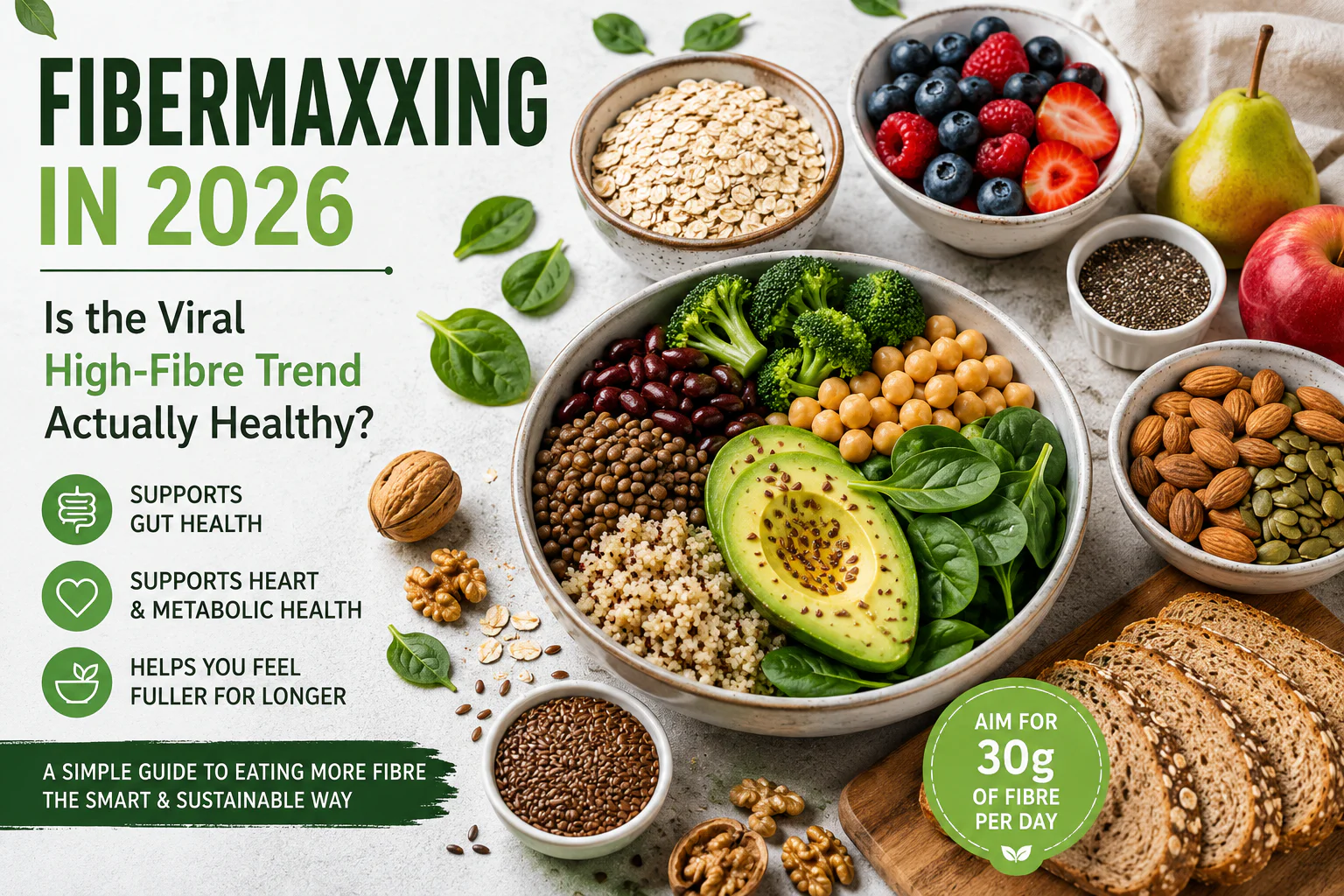
Fibermaxxing in 2026: Is the Viral High-Fiber Trend Actually Healthy?
Category: HealthAuthor: Aiman Shahzadi Fibermaxxing sounds like another internet challenge, but the basic idea is surprisingly ordinary: eat more fibre. The trend has grown because people are paying more attention to gut health, fullness, blood sugar and the quality of their diets. Unlike many viral wellness hacks, fibre itself has a strong evidence base. The mistake is assuming that “more” always means “better” or that a fibre gummy can replace a varied diet. For more on this, see our guides to how much protein you actually need, anti-inflammatory foods to add to your diet and the complete anti-inflammatory diet food list. Quick answer: For most UK adults, the useful target is about 30g of fibre per day as part of a balanced diet. If you currently eat much less, increase gradually and drink enough fluid. Extremely rapid increases can cause bloating, wind and abdominal discomfort. What Does Fibermaxxing Mean? Fibermaxxing is a social-media label for intentionally increasing dietary fibre, often by adding beans, lentils, oats, berries, vegetables, seeds, whole grains and sometimes fibre-fortified foods. It became especially visible as people started questioning the intense focus on protein and looking for ways to support digestive health. The trend can be helpful when it pushes people toward whole foods. It becomes less useful when it turns into a numbers competition, encourages huge jumps in intake, or relies mainly on processed “high-fibre” snacks. How Much Fiber Do You Need in the UK? NHS guidance says adults should aim for around 30g of fibre a day. Many people do not reach that amount. You do not need to hit exactly 30g at every stage of life or obsess over a perfect daily number; the broader goal is a consistent pattern of fibre-rich foods. Food Why it helps Easy use Oats Whole-grain fibre and beta-glucan Porridge, overnight oats, yoghurt topping Lentils and beans Fibre plus plant protein Soup, curry, salad, wraps Berries, pears, apples Fibre plus micronutrients Breakfast, snacks, dessert Vegetables Fibre, volume and variety Add to lunch and dinner Seeds and nuts Fibre plus unsaturated fats Small handful or spoonfuls Whole-grain bread/pasta Simple swap from refined grains Use as a base for regular meals Potential Benefits of Eating More Fibre More regular bowel habits Different fibres hold water, add bulk and feed gut microbes. A varied intake can support regularity, although people with certain bowel conditions may need personalised advice. Better fullness after meals Fibre-rich foods often take longer to chew and digest. Combined with protein and healthy fats, they can make meals feel more satisfying without requiring complicated diet rules. Heart and metabolic health Higher-fibre dietary patterns are associated with lower risk of cardiovascular disease, type 2 diabetes and bowel cancer. The benefit is linked to the overall dietary pattern, not a single trendy ingredient. Can You Eat Too Much Fibre? Yes, especially if intake rises too fast. Bloating, gas, cramping or loose stools can happen when someone jumps from a low-fibre diet to very high intakes in a few days. Large amounts of bran, psyllium or fibre supplements without enough fluid can also be uncomfortable. Talk to a clinician or dietitian first if you have inflammatory bowel disease, significant IBS symptoms, bowel narrowing, a recent gastrointestinal procedure, unexplained weight loss, blood in the stool, persistent diarrhoea or severe constipation. A Safer 7-Day Fibermaxxing Approach You can pair this with GlowCulture’s evidence-based sleep guide, because overall health habits work better as a pattern than as isolated hacks. Fibermaxxing vs Proteinmaxxing The two trends do not need to compete. A balanced meal can contain both. Lentils, beans, chickpeas, whole grains, nuts and seeds contribute useful amounts of both protein and fibre. The more useful question is not “Which nutrient should I max?” but “Is my diet varied enough to cover protein, fibre, fats, vitamins and minerals?” Frequently Asked Questions Is fibermaxxing good for weight loss? Fibre-rich foods may improve fullness and diet quality, which can support weight management, but they do not guarantee weight loss. Total diet, activity, sleep, medications and individual health all matter. Is 50g of fibre a day too much? Some people tolerate high intakes, but 50g is not automatically better than the UK target. If you are increasing intake, build gradually rather than chasing a bigger number. Are fibre gummies as good as food? They can add fibre, but they do not provide the full range of nutrients and food structure found in fruit, vegetables, pulses, nuts and whole grains. What is the easiest way to reach 30g? Use several small sources across the day: oats or whole-grain cereal, fruit, vegetables, beans or lentils, whole-grain bread, plus nuts or seeds. Final Thoughts Fibermaxxing is one of the rare viral wellness trends where the core message can be useful. The best version is not extreme: eat more plants, increase gradually, vary your sources and aim for a sustainable UK-style target rather than treating fibre like a competition. FAQ questions to add These would give you a stronger FAQ section without repeating the same questions: Best 4 for the actual FAQ schema: Related Reading Browse more in Health or return to the GlowCulture homepage. Sources & Further Reading Editorial note: This article is for general information only and is not medical advice. Please speak to a qualified healthcare professional about any personal health or skin concern. Learn how we research and review our content in our Editorial Policy.
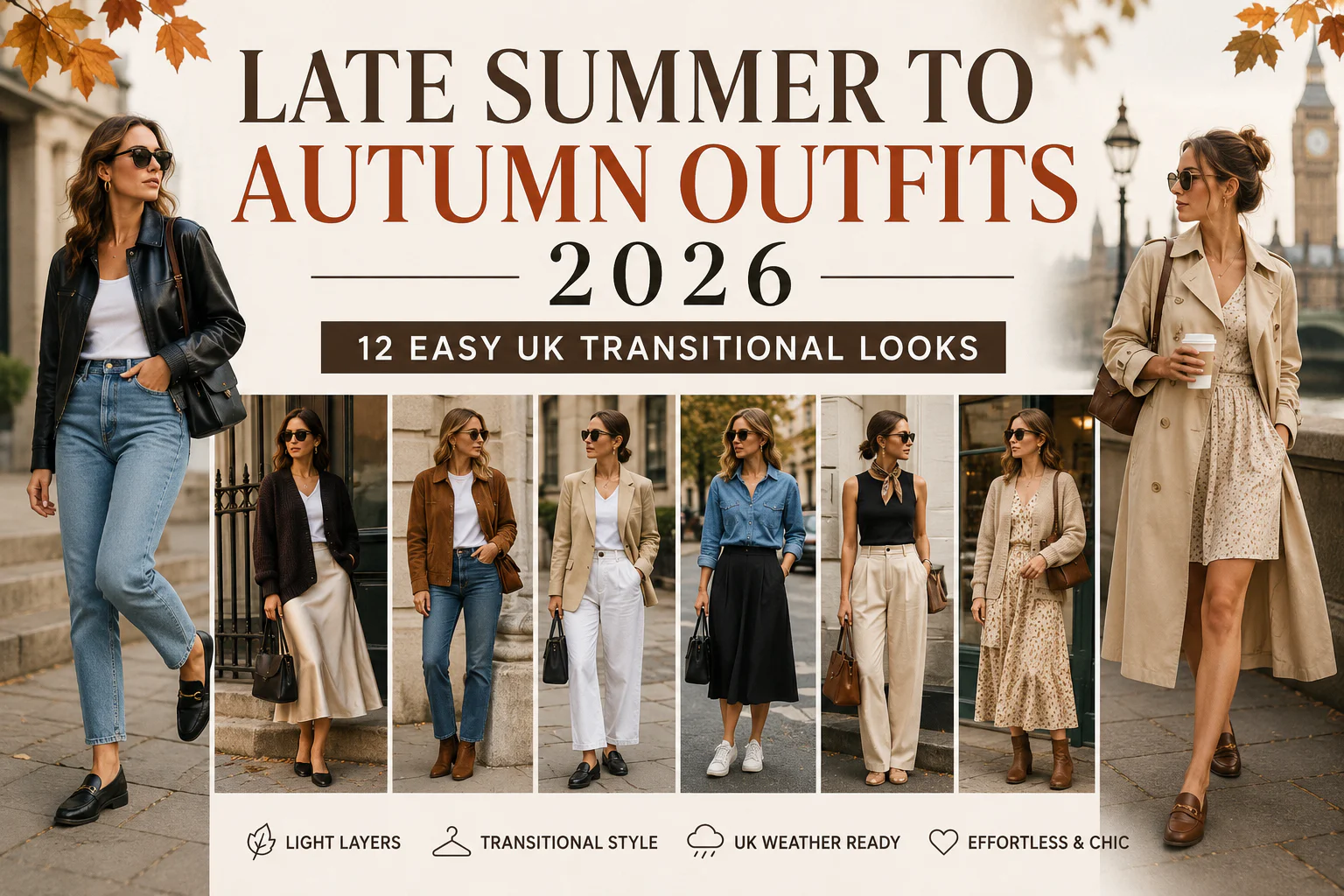
Late Summer to Autumn Outfits 2026: 12 Easy UK Transitional Looks
Author: Aiman Shahzadi Category: Fashion For more on this, see our guides to how to style barrel jeans, how to wear polka dots without looking retro and how to wear boho fashion without the costume look. August and September are awkward months to dress for in the UK. Transitional outfits are the smartest way to dress for the UK’s unpredictable August and September weather. Mornings can feel cool, afternoons can still be warm, and rain can appear without warning. The best transitional outfits are built from light layers rather than heavy autumn clothing. Quick answer: Keep a summer base – tank, tee, dress or light shirt – and add one removable layer such as a cardigan, blazer, suede jacket or lightweight trench. Jeans, loafers, ballet flats and trainers make the switch easy. 12 Late Summer to Autumn Outfit Ideas for 2026 1. Tank + wide-leg jeans + cropped leather jacket Wear the jacket in the morning and remove it when the day warms up. 2. White tee + barrel jeans + suede jacket Suede adds autumn texture without requiring heavy knitwear. 3. Slip skirt + fine cardigan + ballet flats A lightweight cardigan gives coverage while keeping the outfit fluid. 4. Summer dress + blazer + loafers Tailoring extends a warm-weather dress into work and city outfits. 5. White jeans + black tee + lightweight jacket White denim does not need to disappear after summer; darker layers make it feel seasonal. 6. Boho blouse + straight jeans + ankle boots A romantic top nods to the 2026 boho trend while denim keeps it practical. 7. Polka dot skirt + knit tank + trench Use a light trench for rain rather than a winter coat. 8. Tailored trousers + tee + silk scarf A scarf adds pre-fall polish and can also be tied to a bag. 9. Denim shirt + midi skirt + trainers A denim shirt works as both a top and a light jacket. 10. Fine knit + sports shorts + loafers Mixing one cooler-weather piece with one summer piece is an easy way to transition gradually. 11. Layered tees + wide-leg jeans Use a long-sleeve tee under a short-sleeve one for a casual Y2K-inspired look. 12. Shirt dress + cardigan over shoulders This works well for warm afternoons and cooler evenings without carrying a heavy coat. The 7 Pieces That Do the Most Work Colours That Bridge Summer and Autumn Instead of switching straight to black, use chocolate brown, navy, khaki, taupe, cream, burgundy and muted blue. They work with summer whites and brighter colours while introducing an autumn mood. How to Build a Transitional Capsule Start with your most-worn summer bases and add only the layers that create new combinations. GlowCulture’s capsule wardrobe guide can help you avoid buying a full “new season” wardrobe. How to Layer When the Temperature Swings British late summer weather can move from cool mornings to warm afternoons and back again, so the aim is layers you can add or remove quickly, not a full change of wardrobe. A simple three-part system works well: Choose layers that fit comfortably over each other. A jacket that only works over a thin tee will feel restrictive once you add a knit. Fabrics That Work Between Seasons Carrying Layers and Rain Gear Practical details make transitional dressing easier. A roomy tote can hold a folded cardigan or scarf, and a compact umbrella or packable rain jacket saves you from having to wear heavy outerwear all day. Water-resistant shoes or ankle boots are useful for September showers, and suede should be treated with a protector spray. A Sample Transitional Week Using the same handful of pieces in different combinations is the easiest way to stay comfortable without buying more. Our capsule wardrobe guide shows how to plan combinations before you shop. Frequently Asked Questions When should I start wearing autumn clothes in the UK? There is no fixed date. Switch by temperature and comfort. Light layers usually work better than committing to heavy autumn pieces in August. Can I wear white jeans in autumn? Yes. Pair them with darker or warmer textures such as leather, suede, knitwear, navy or brown. What jacket is best for September? A lightweight trench, suede jacket, denim jacket, leather jacket or blazer can all work depending on rain and temperature. What shoes work between summer and autumn? Loafers, ballet flats, trainers, slingbacks and ankle boots are versatile because they work with both bare ankles and light socks/tights. Final Thoughts The easiest 2026 transitional wardrobe is not a new wardrobe. It is a summer wardrobe with smarter layers. Build around denim, light jackets, fine knits and versatile shoes, then add trend accents such as a bandana, polka dot skirt or boho blouse. Related Reading Browse more in Fashion or return to the GlowCulture homepage. Sources & Further Reading Editorial note: This article offers general style guidance. Trends, prices and product availability change, so check current details before you buy. Learn how we research and review our content in our Editorial Policy.
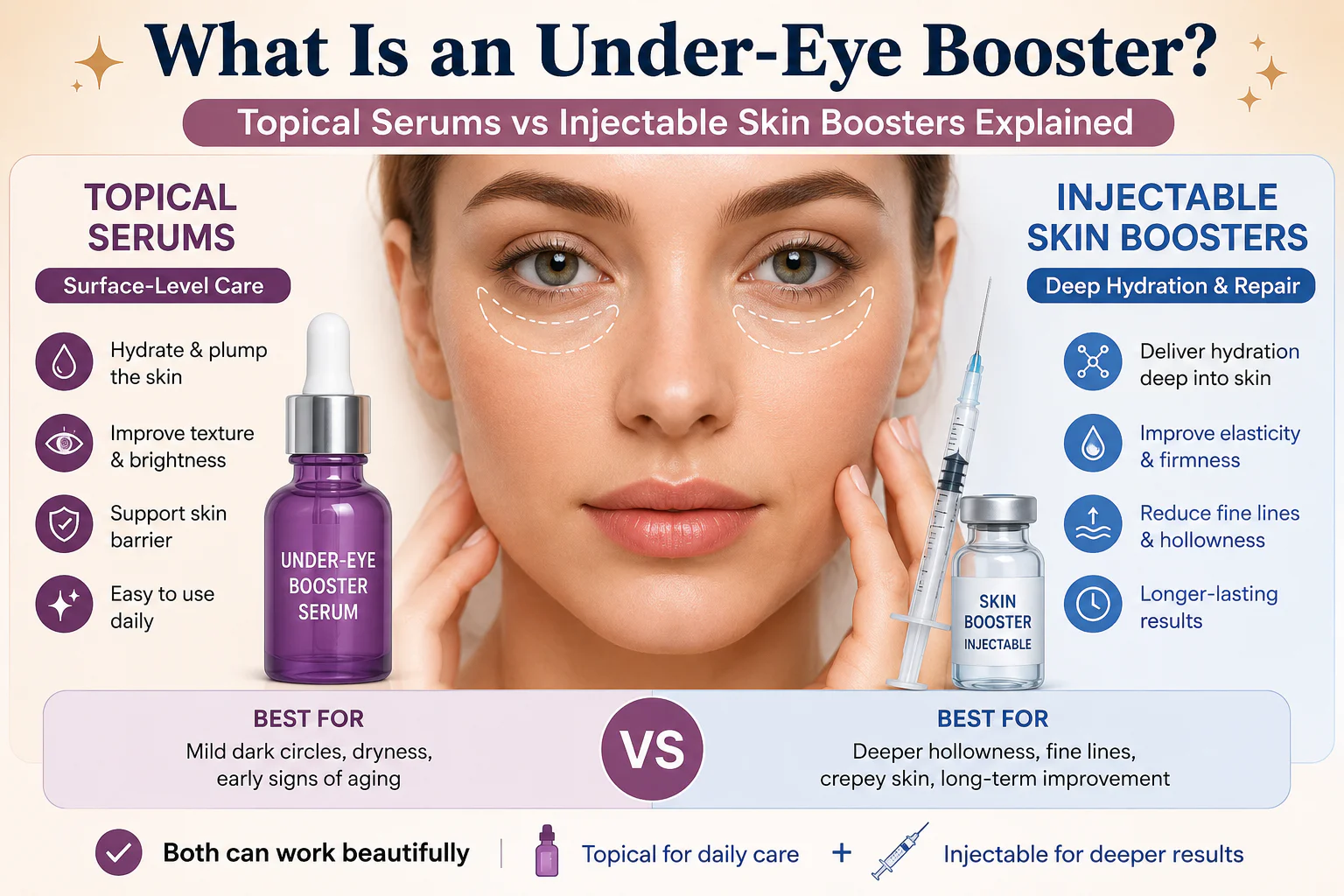
What Is an Under-Eye Booster? Topical Serums vs Injectable Skin Boosters Explained
Category: Skin CareAuthor: Aiman Shahzadi The phrase under eye booster sounds simple, but it can describe two very different things. Some brands use “booster” for a concentrated serum or eye cream. Aesthetic clinics may use the same term for an injectable treatment placed into the skin around the eyes. These are not interchangeable, and they should not be judged by the same safety or evidence standards. Quick answer: A topical under-eye booster is skincare. It may hydrate, brighten or temporarily reduce puffiness depending on its ingredients. An injectable under-eye booster is a cosmetic procedure intended to change skin quality from within the tissue. Topicals have lower risk but more modest effects; injectables require a qualified practitioner and carry procedure-related risks. What Does “Under-Eye Booster” Actually Mean? “Booster” is mainly a marketing term rather than a single medical category. Always check the format: Type Examples Main goal Risk level Topical booster Eye serum, eye cream, caffeine solution, peptide serum Hydration, brightness, puffiness or fine-line appearance Usually low; irritation or allergy is possible Injectable skin booster Polynucleotide or other clinician-administered injectables Skin quality, texture, hydration or fine-line appearance Higher because it involves injection and periocular anatomy Topical Under-Eye Boosters: What Ingredients Matter? Caffeine for temporary puffiness Caffeine is common in eye products because it may temporarily reduce the appearance of puffiness and some vascular-looking darkness. Small studies and ingredient reviews suggest potential benefit, but it is not a universal dark-circle treatment. If your circles are mainly pigment or shadow from hollowing, caffeine may do little. Hyaluronic acid, glycerin and ceramides for dehydration When the area looks crepey or lined because it is dry, hydration is usually the lowest-risk first step. Humectants attract water, while ceramides and emollients support the skin barrier. They can make fine dehydration lines look smoother without pretending to “rebuild” facial volume. Peptides for age-support formulations Peptides appear in many eye serums marketed for firmness. They can be useful as part of a well-formulated product, but “contains peptides” does not automatically make a serum clinically superior. Look at the full formula, tolerance and realistic claims. Retinol or retinal for fine lines Retinoid-type ingredients have stronger evidence for improving visible photoageing than most trend ingredients, but the under-eye area is easily irritated. Use only products intended for the area and introduce them gradually. Vitamin C and niacinamide for uneven-looking tone These are more relevant when dullness or pigment contributes to the problem. If you want a deeper explanation of vitamin C, see GlowCulture’s vitamin C serum guide. How to Choose the Right Topical Under-Eye Booster Match the formula to one main concern instead of buying the product with the longest ingredient list. For product examples, see our main under-eye brightener guide. What Are Injectable Under-Eye Boosters? Injectable skin boosters are clinician-administered products placed into or under the skin. One category that has become increasingly discussed in the UK is polynucleotide injections. Research reviews published in recent years report promising improvements in skin texture, hydration, elasticity and fine-line appearance, but they also note that many studies are small, heterogeneous or of low-to-moderate quality. That means the treatment should be described as promising, not guaranteed. Polynucleotide products are not the same as hyaluronic-acid tear-trough filler. A filler is mainly used to alter volume or contour, while a polynucleotide skin booster is generally marketed around skin quality and regeneration. Whether either is suitable depends on anatomy, medical history and the actual cause of the under-eye concern. Where Does VITARAN Fit? VITARAN is a polynucleotide brand. Its under-eye products are intended for professional aesthetic use rather than home skincare. If you are researching Vitaran under eyes, read our dedicated VITARAN under-eye guide, which separates manufacturer claims from the wider clinical evidence. Topical Booster vs Injectable Booster: Which Is Better? If your priority is… Topical booster Injectable booster Low-risk daily maintenance Usually the better starting point Not necessary for routine maintenance Dehydration lines Often useful May be considered only after professional assessment Morning puffiness Caffeine/cooling products may help temporarily Not a first-line reason for an injection Established skin-quality concerns Can improve appearance gradually May offer a stronger effect in selected patients, with more risk/cost Deep tear-trough hollow Limited effect Requires specialist assessment; not every “booster” corrects volume loss Safety Questions to Ask Before Any Injectable Under-Eye Booster The UK government has been tightening oversight of high-risk cosmetic procedures after reports of harm from inadequately trained providers. The NHS also advises checking a practitioner’s qualifications and avoiding decisions based on price alone. Can an Under-Eye Booster Remove Dark Circles? No treatment can honestly promise to remove every dark circle because dark circles have multiple causes. A topical product may brighten pigment or reduce puffiness. An injectable may improve skin quality. Neither automatically fixes a deep tear trough, allergy-driven rubbing or genetically determined pigmentation. If darkness is your main issue, start with the diagnostic framework in our under-eye brightener and dark-circle guide. Can an Under-Eye Booster Remove a Line Under the Eye? A topical booster may soften dehydration lines and gradually improve fine-line appearance. An injectable may be considered for specific skin-quality concerns, but a deep crease can be structural. Read our dedicated guide to a line under the eye before assuming you need an injection. Frequently Asked Questions Are under-eye boosters safe? Topical products are generally low risk when used as directed, though irritation is possible. Injectable boosters have additional procedure-related risks and should be administered only by an appropriately qualified professional. Is caffeine an under-eye booster? Yes, in the broad marketing sense. Caffeine eye serums are often sold as “boosting” or de-puffing treatments, but their effect is usually temporary and most relevant to puffiness. Are polynucleotide boosters the same as filler? No. They are different product categories with different goals. Polynucleotides are generally used for skin-quality improvement, while hyaluronic-acid fillers primarily add volume or alter contour. How often should I use a topical booster? Follow the specific product directions. Many caffeine or hydrating products can be used daily, while retinoid-type eye products may need a slower introduction under eye booster. Should I start with a booster or
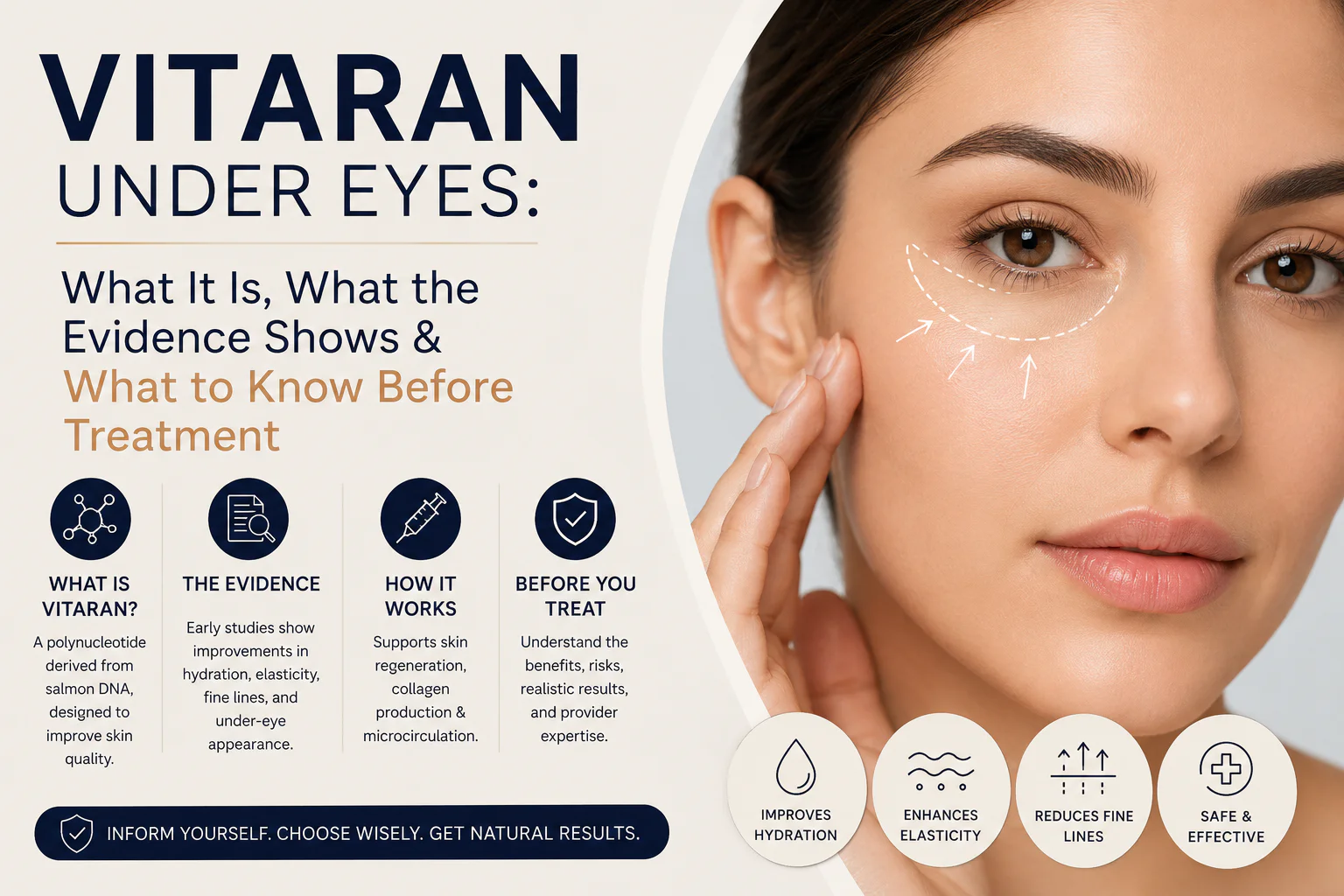
VITARAN Under Eyes: What It Is, What the Evidence Shows & What to Know Before Treatment
Category: Skin CareAuthor: Aiman Shahzadi If you have searched for Vitaran under eyes, you are probably comparing polynucleotide injections with eye creams, tear-trough filler or other “skin booster” treatments. The first thing to understand is that VITARAN Eyes is an injectable aesthetic product, not topical skincare. It is designed for professional use around the delicate under-eye area. The manufacturer describes VITARAN Eyes as a polynucleotide product made from highly purified salmon/trout-derived DNA fragments, with 20 mg of polynucleotide per millilitre in the under-eye formulation. Manufacturer and supplier materials market it for firmness, elasticity, skin quality and fine-line appearance. Quick answer: Polynucleotide injections are a promising aesthetic treatment for improving skin quality around the eyes, but they are not a proven cure for every type of dark circle. Independent reviews report encouraging results for wrinkles, texture and elasticity while also stressing that the evidence base is still relatively vitaran under eyes, vitaran under eye small and variable in quality. What Is VITARAN Eyes? VITARAN is a brand of injectable polynucleotide products used in aesthetic medicine. The range includes formulations marketed for different treatment areas. VITARAN Eyes is specifically positioned for the periocular region. Polynucleotides are chains of nucleotides, the building blocks of DNA. In aesthetic medicine, purified polynucleotide materials are injected into skin with the aim of supporting tissue quality and repair-related processes. They are often described as “regenerative injectables” or “skin boosters,” although those marketing labels should not be mistaken for a guarantee of regeneration or a permanent result. View the VITARAN manufacturer website. GlowCulture is not affiliated with this manufacturer; this link is provided for reference only, and manufacturer claims should not be taken as independent proof of effectiveness. Is VITARAN the Same as Tear-Trough Filler? No. They can both be used around the lower eye, but they are intended to do different jobs. VITARAN / polynucleotide booster Hyaluronic-acid tear-trough filler Main intention Skin quality, texture, hydration, fine-line appearance Volume and contour correction Best suited to Selected skin-quality concerns Selected cases of structural hollowing Does it directly add major volume? Not its main purpose Yes Is it an injection? Yes Yes Needs professional assessment? Absolutely Absolutely If the “dark circle” is mainly a shadow from a deep tear trough, a treatment aimed only at skin quality may not correct the underlying anatomy. Conversely, filler is not the answer for every under-eye and can be unsuitable in people prone to swelling or with certain anatomical vitaran under eyes, features. What Does the Research on Polynucleotides Show? Promising, but not yet a perfect evidence base A systematic review of polynucleotide injections in aesthetic medicine included nine studies and 219 patients. It found promising improvements in wrinkles, skin texture and elasticity in several studies, but classified the included evidence as low to moderate quality and highlighted variation in techniques and treatment protocols. A randomized, double-blind split-face study comparing a polynucleotide product with hyaluronic acid for periorbital rejuvenation reported that polynucleotides were effective and well tolerated in that study population. More recent observational research has also reported improvement in periorbital appearance after polynucleotide treatment. The important limitation is that evidence for polynucleotides as a category is not the same as independent proof that one branded product will deliver a specific outcome for every patient. Product marketing and clinical evidence should be kept separate. Can VITARAN Improve Dark Circles? Potentially in some people, but “dark circles” are not one condition. Dermatology reviews classify causes that include: A skin-quality treatment may help when thin, crepey skin and fine texture are significant contributors. It is less likely to fully correct dark circles driven mainly by deep pigment or facial anatomy. For a full cause-by-cause approach, read our under-eye brightener and dark-circle guide. Can VITARAN Help a Line Under the Eye? Polynucleotide studies suggest potential improvement in fine-line and texture measures, so a superficial line may look softer in an appropriate patient. A deep structural crease or tear-trough line is a different problem. See our guide to a line under the eye for the distinction between dehydration, fine lines and structural folds. What Are the Possible Side Effects and Risks? Common short-term effects reported with injectable aesthetic treatments and polynucleotide procedures include redness, tenderness, bruising and swelling around injection sites. Because the treatment is performed close to the eye, practitioner training and anatomical knowledge matter. Do not assume that a “skin booster” is risk-free because it is not a filler. Any procedure that breaks the skin can introduce infection, cause bleeding or bruising, and produce an unexpected reaction. Cosmetic procedures around the eye also deserve extra caution because the anatomy is complex. Safety point: This is not a DIY product. Do not purchase an injectable VITARAN product online with the intention of self-injecting it. Choose an appropriately qualified clinician with specific training and experience in periocular treatments. Who Should Be Extra Cautious? A proper consultation should review allergies, medications, pregnancy or breastfeeding status, active skin or eye infections, immune conditions, bleeding risk and previous cosmetic procedures. A clinician should also assess whether your concern is actually suitable for a polynucleotide treatment. If you have a known fish allergy, raise it explicitly before treatment because VITARAN materials describe fish-derived DNA. Do not rely on an online article to decide whether a specific contraindication applies to you. How to Choose a Safer Practitioner in the UK The NHS advises people considering cosmetic procedures to check the practitioner’s training and experience, understand what product will be used, and ask what happens if something goes wrong. UK government policy has also been moving toward stronger regulation of higher-risk cosmetic procedures after reported harm from inadequately trained providers. Before agreeing to a VITARAN under-eye treatment, ask: Read NHS guidance on choosing a cosmetic practitioner. VITARAN vs Topical Under-Eye Products If you are only starting to address dark circles or fine lines, a sensible skincare routine is still the lowest-risk first step. Caffeine can help temporary puffiness, hydrating ingredients can soften dehydration lines, and retinoid-type products can gradually improve fine-line appearance in suitable users. Use our under-eye booster guide to compare topical serums with injectable